01
1 Night
Reykjavík
Arrival, equipment preparation, weather review, and a first look at Iceland's coastal light.
ÉTO Signature Journey
A landscape journey shaped around weather, light, volcanic terrain, waterfalls, glaciers, and the long road around Iceland.
Trip Length
12 Days
Best Time
May–September
Pace
Balanced
Style
Photography road trip
Why This Journey
This journey follows Iceland's Ring Road with photography setting the rhythm. Rather than racing from landmark to landmark, the route leaves room for weather, changing light, spontaneous roadside stops, and longer sessions in landscapes worth waiting for.
The Route
01
1 Night
Arrival, equipment preparation, weather review, and a first look at Iceland's coastal light.
02
3 Nights
Waterfalls, black-sand beaches, sea stacks, glaciers, and rapidly changing weather.
03
2 Nights
Glacial lagoon, Diamond Beach, shifting ice formations, and exceptional dawn and dusk photography.
04
2 Nights
Quiet roads, fishing villages, layered mountains, wildlife, and less-photographed coastal landscapes.
05
2 Nights
Geothermal terrain, major waterfalls, volcanic landscapes, and broad northern skies.
06
2 Nights
A compact finale of mountains, lava fields, beaches, sea cliffs, and iconic coastal compositions.
Taste the Seasons
Daylight, weather, road conditions, vegetation, snow, and aurora potential shift dramatically through the year. Choosing when to travel changes what Iceland reveals.
ÉTO Preferred Window
May–September
April — May
Quiet, changing, unpredictable
Snow lingers in the mountains while daylight expands, waterfalls run strong, and visitor numbers remain relatively low.
June — August
Expansive, green, luminous
Long daylight and near-midnight light create enormous flexibility for landscape photography and long driving days.
September — October
Moody, quiet, dramatic
Lower-angle light, fewer visitors, changing vegetation, and early aurora opportunities reward flexible travelers.
November — March
Dark, elemental, demanding
Snow, ice, aurora, and limited daylight create extraordinary images but require conservative planning and strong weather awareness.
Photography Bases
These bases reduce unnecessary driving and keep you closer to the strongest light, weather, and landscape opportunities along the route.
South Coast
A practical base for photographing Iceland's southern coastline, waterfalls, sea cliffs, glaciers, and black-sand landscapes without adding unnecessary driving.
Best access
Jökulsárlón
A strong southeastern base for repeated dawn and dusk sessions around Jökulsárlón, Diamond Beach, Vatnajökull, and nearby glacial landscapes.
Best access
East Fjords
A slower, atmospheric base surrounded by steep fjords, waterfalls, fishing villages, and mountain roads where changing weather often creates the strongest photographs.
Best access
North Iceland
An efficient field base for volcanic terrain, geothermal landscapes, broad northern skies, and easy access to several of North Iceland's strongest landscape subjects.
Best access
Snæfellsnes
A flexible base for photographing Kirkjufell, fishing villages, lava fields, sea cliffs, and rapidly changing coastal conditions across the peninsula.
Best access
Field Strategy
Iceland rewards travelers who can respond to weather, light, road conditions, and unexpected opportunities rather than forcing every day into a rigid schedule.
Landscape Photography & Fieldcraft
Weather, light, wind, cloud, water, scale, and changing road conditions shape the strongest images. Slow down, scout carefully, return when the light changes, and treat the landscape with respect.
Visual Guide
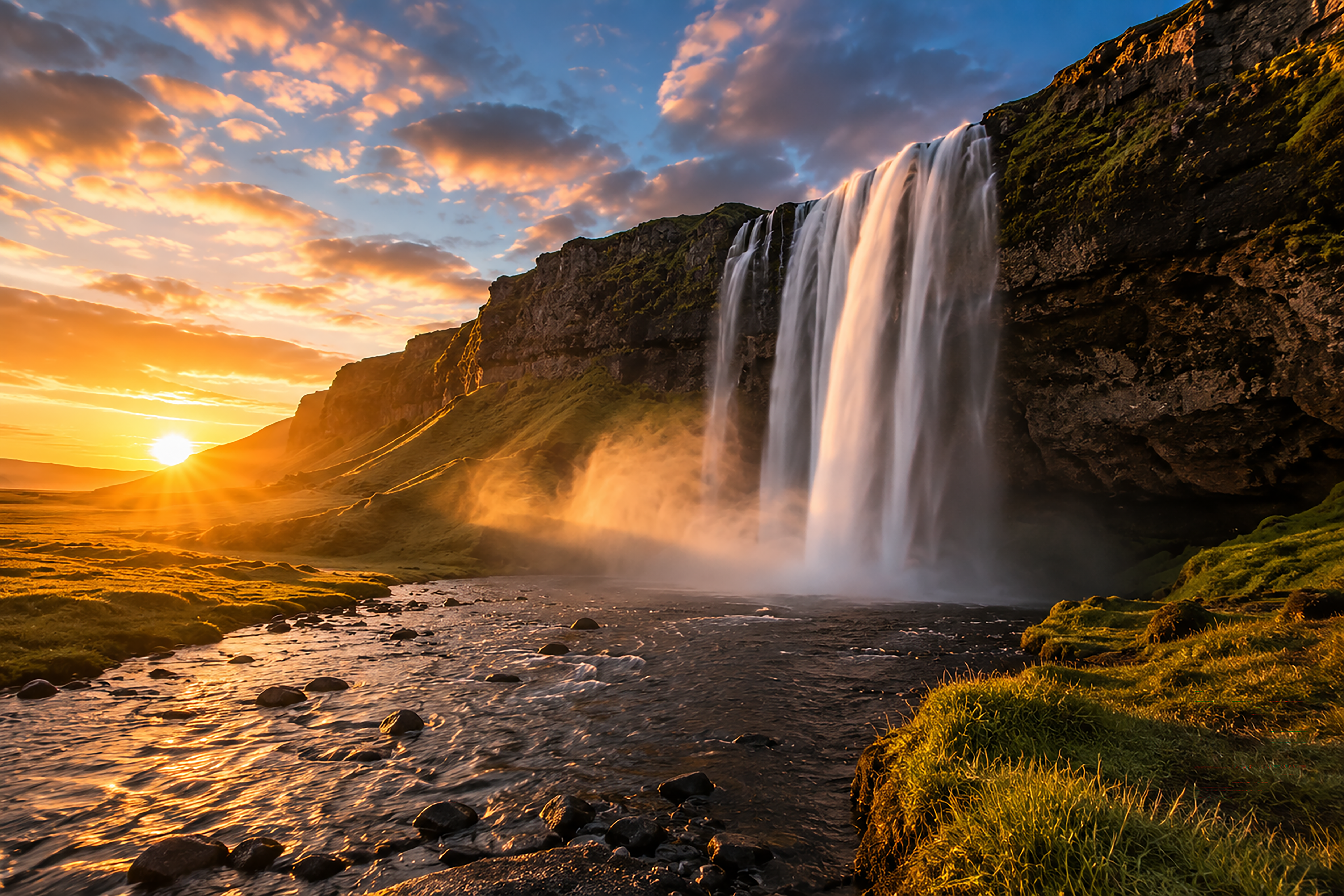
Waterfall scale, mist, foreground figures, and shifting weather.
Best light
Early morning or late evening when contrast is softer and crowds are lighter.
Timing
Arrive before peak tour traffic when possible.
Field note
Carry lens cloths and rain protection; spray reaches equipment quickly.
Visual Guide
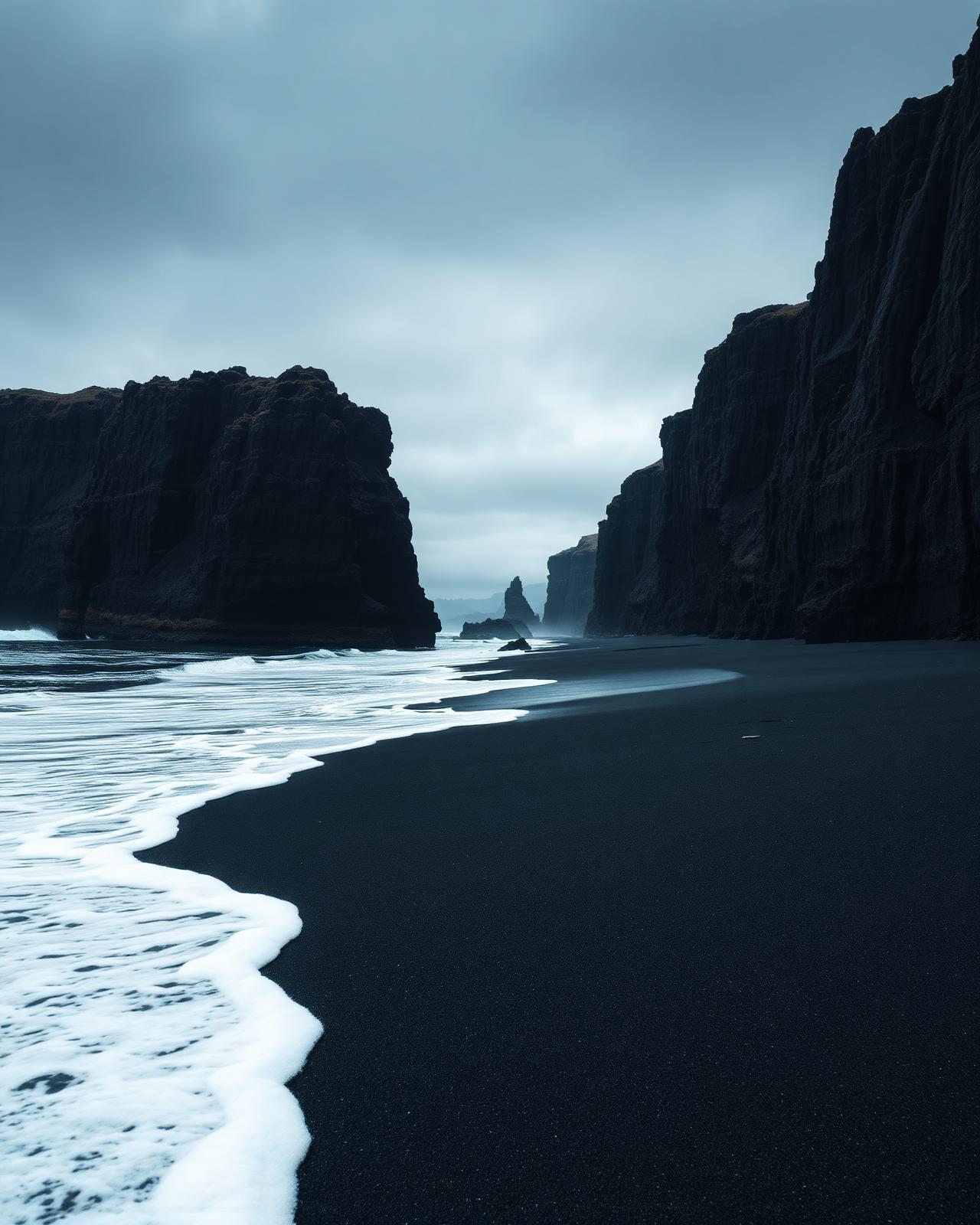
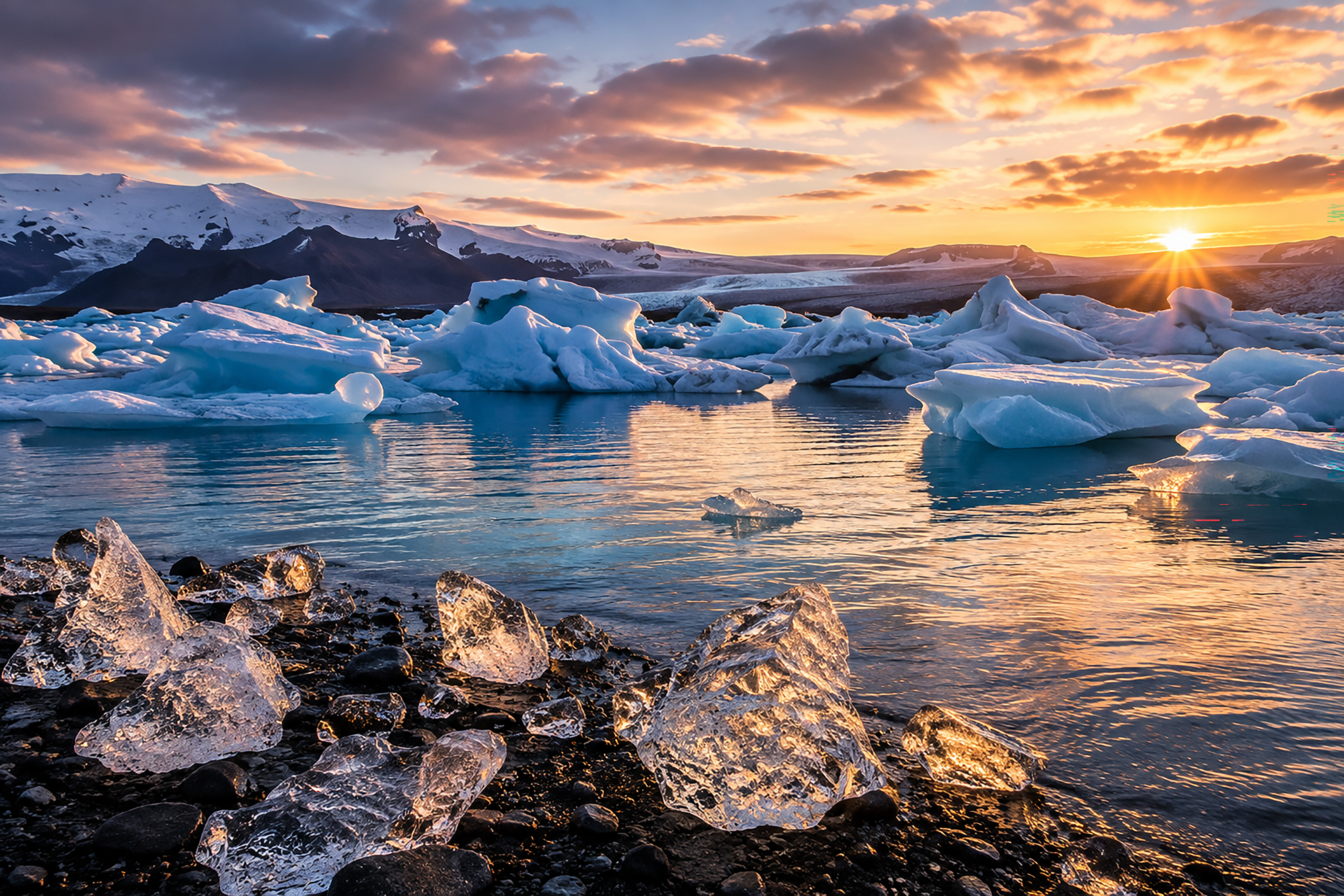
Glacial ice against black volcanic sand and moving surf.
Best light
Blue hour through sunrise.
Timing
Allow multiple sessions because ice placement changes constantly.
Field note
Keep significant distance from the surf, never turn your back on the ocean, and do not climb onto ice near the waterline.
Visual Guide
Layered mountains, winding roads, fishing villages, and changing cloud.
Best light
Late afternoon through evening.
Timing
Leave room for spontaneous roadside stops.
Field note
Use designated pull-offs rather than the road shoulder. Check Fjarðarheiði conditions before committing to the drive into or out of Seyðisfjörður.
Visual Guide
Steam, mineral color, volcanic texture, and stark terrain.
Best light
Overcast conditions or low-angle light.
Timing
Cloudy conditions can be better than harsh midday sun.
Field note
Remain on marked paths and boardwalks. Thin ground, boiling water, steam, and sudden changes in wind direction can create hazards beyond the visible pools.
Visual Guide
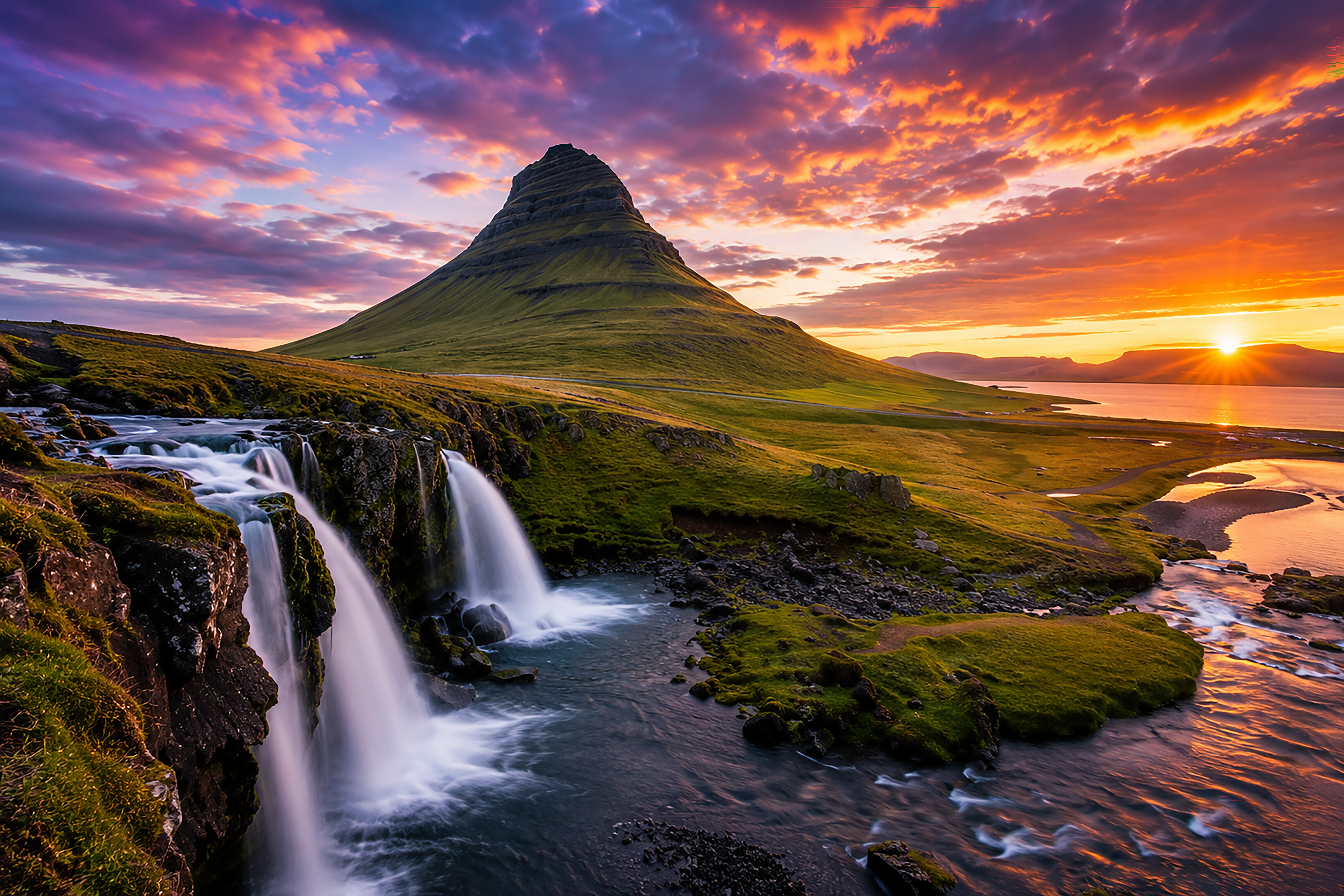
Mountain symmetry, waterfalls, weather, reflections, and seasonal foregrounds.
Best light
Sunset, twilight, or aurora conditions.
Timing
Scout compositions before the strongest light arrives.
Field note
Secondary angles often produce stronger images than the classic viewpoint.
Signature Experiences
Midnight-light photography
Glacial lagoon sunrise
Black-sand coastlines
Waterfall photography
Remote fjord roads
5 dedicated photography locations with guidance for light, timing, and conditions.
6 carefully paced stops around Iceland's Ring Road and surrounding regions.
16 practical notes for weather, roads, equipment, and working in Iceland's landscapes.
ÉTO Perspective
The best photographs in Iceland often happen between the famous locations. Leave enough time to stop when the weather changes, the clouds break, or an ordinary stretch of road suddenly becomes extraordinary.
Destination Guides
Explore practical guidance, seasonal context, neighborhoods, stays, and the tradeoffs that shape a better journey.
Make It Your Own
Use the Planner to customize the route around your dates, budget, pace, preferences, and travel style.