Best time to visit
June through August for long daylight and the broadest road access; September through March for dark nights and possible aurora
Ideal trip length
10–14 nights for a considered Ring Road journey, or 4–5 nights for Reykjavík and the western South Coast
Climate
Cool maritime climate with strong wind, rapid weather changes, cold rain, and winter conditions that vary substantially by region
Region
Europe
Overview
A place worth knowing.
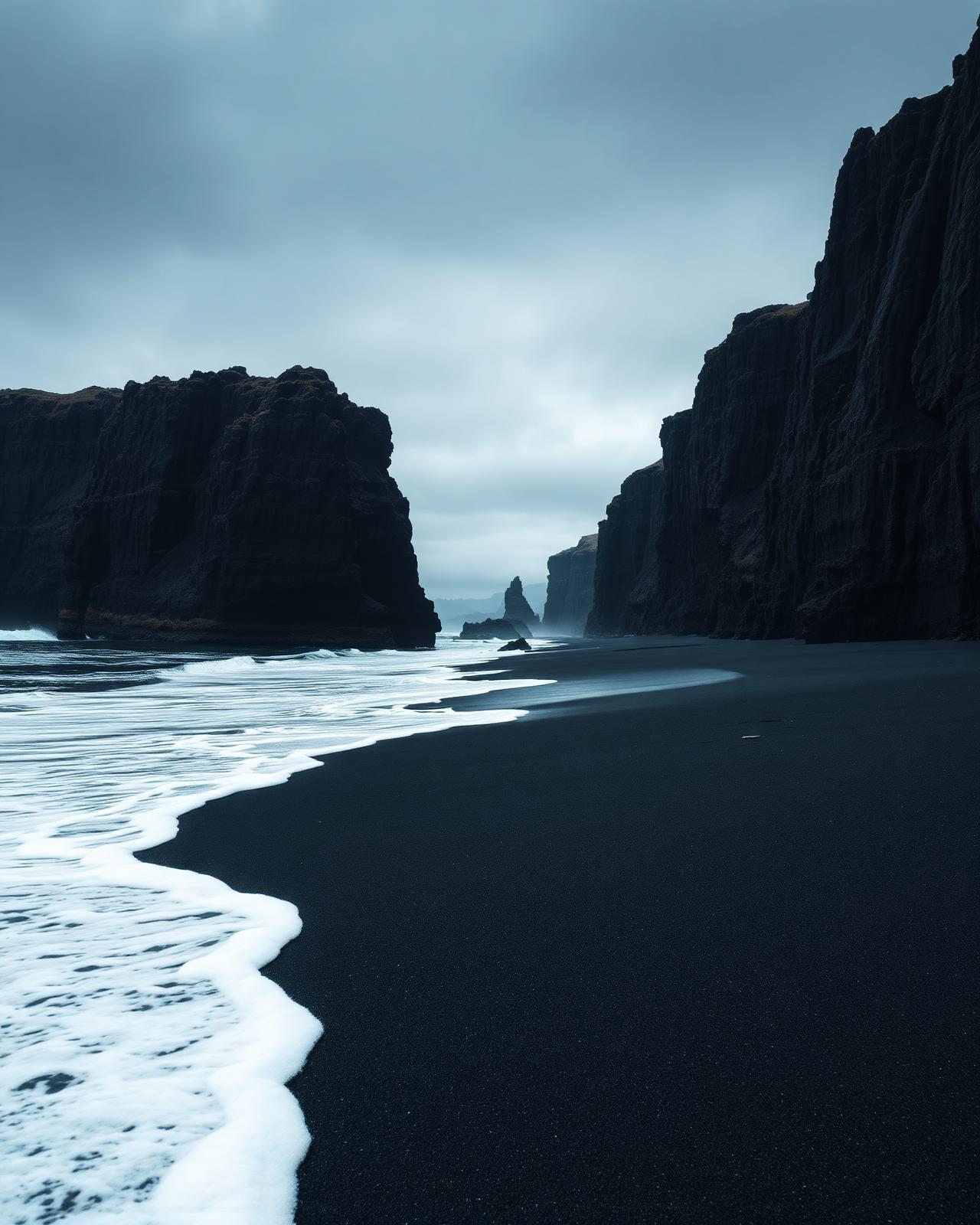
Iceland is theater on a scale that humbles: geothermal valleys, glacier lagoons, and basalt sea stacks. Choose a vehicle suited to the season and route, plan loosely, and let the weather revise the day when necessary.
Why I recommend this
Iceland works best when the route leaves room for weather. First-time visitors can experience waterfalls, black-sand landscapes, glaciers, geothermal bathing, and rural guesthouses without attempting the entire island. The Westfjords and a complete Ring Road circuit belong in longer itineraries with greater driving margin.
Christopher, lead advisor
Sample recommendations for demonstration purposes. Final travel plans should be customized and verified before booking.
When Iceland works
Choose the season that suits the trip.
Each season changes the rhythm of Iceland. The right time depends on the atmosphere, pace, and tradeoffs you want.
Spring
March to May
Spring is transitional rather than predictable. Daylight increases quickly, winter conditions may persist outside the southwest, and some roads remain inaccessible. It can be rewarding for flexible travelers who are prepared to revise the route.
Summer
June to August
Long daylight opens the greatest range of landscapes and driving routes. Summer is the strongest season for the Ring Road, hiking, puffin areas, and the highlands, but vehicles and well-located lodging should be reserved early.
Autumn
September to October
Autumn brings darker nights, changing color, and the return of aurora potential while many major routes remain workable. Conditions become less stable as the season advances, so build more margin into driving days.
Winter
November to February
Winter offers long blue hours, ice experiences, and aurora opportunities, but daylight is limited and storms can alter a trip quickly. Favor a compact regional route, avoid aggressive driving schedules, and be willing to stop early.
Before you go
The details that shape the trip.
- Arrival
- Most international travelers arrive at Keflavík Airport, about 50 kilometers from Reykjavík. Airport coaches, public buses, taxis, and rental cars connect the terminal with the capital and the wider road network.
- Local transport
- A rental car offers the most flexibility outside Reykjavík, but the route, season, and forecast should determine the vehicle. Check SafeTravel and official road conditions every day, respect closures, and never rely on a navigation app alone. Highland roads open on variable dates and require a legally suitable vehicle, so never assume summer automatically means access.
- Payment
- Card and contactless payments are accepted almost everywhere, including many small purchases. Carrying a physical card is still wise for fuel stations, rural stops, or situations where a mobile wallet or connection fails.
- Language
- Icelandic is the national language, but English is widely spoken throughout the travel industry. Place names can be difficult to recognize at first, so save written names and coordinates for important stops.
- Book ahead
- Reserve rental vehicles, distinctive lodging, glacier excursions, geothermal experiences, and summer Ring Road stays well ahead. Winter plans need advance reservations too, but should retain enough flexibility for weather-related changes.
Iceland by time
What can you realistically experience?
More time creates more range, but a shorter visit can still feel complete when the geography and priorities are clear.
24 hours
Reykjavík and one deliberate excursion
Use Reykjavík as the base and choose one nearby experience rather than attempting the South Coast. A geothermal visit, food-focused city day, or compact Reykjanes route can create a complete introduction if conditions permit.
48 hours
The capital and a single landscape route
Pair Reykjavík with either the Golden Circle or the western South Coast. One overnight outside the capital can deepen the trip, but the route should remain compact enough to absorb weather and limited daylight.
72 hours
A considered South Coast introduction
Three days allow Reykjavík and a measured South Coast route toward Vík, with waterfalls, black-sand landscapes, and a rural overnight. Jökulsárlón is better saved for a longer trip unless driving conditions and daylight are unusually favorable.
Where to Stay
Recommended neighborhoods.
Reykjavík 101
A walkable first or final base near the harbor, restaurants, museums, and much of the city's independent cafe culture.
Vík
A practical South Coast base for black-sand landscapes, nearby cliffs, and the route toward the glaciers.
Höfn
A small harbor town that works well when the itinerary continues beyond Jökulsárlón into southeast Iceland.
Akureyri
The principal base for North Iceland, with access to Eyjafjörður, Lake Mývatn, and the region's geothermal landscapes.
Hotels
Stays by category.
Budget
Kex Hostel
101 Reykjavík
A sociable former biscuit factory offering dormitories and private rooms near the waterfront.
Mid-Range
Fosshotel Glacier Lagoon
Hof
A modern South Coast hotel positioned between Skaftafell and Jökulsárlón, useful when the route continues into southeast Iceland.
Boutique
Hotel Rangá
South Iceland
A rural hotel with hot tubs, an observatory, and aurora wake-up calls during the dark season.
Luxury
The Retreat at Blue Lagoon
Reykjanes
A lava-field retreat with private lagoon access, best considered near arrival or departure when current Reykjanes conditions permit.
Sample recommendations for demonstration purposes. Final travel plans should be customized and verified before booking.
Top Attractions
- Reynisfjara black-sand beach (heed sneaker-wave warnings)
- Jökulsárlón glacier lagoon and Diamond Beach
- Þingvellir for its visible rift landscape and the history of the Alþingi
- Geysir / Strokkur eruptions in the Golden Circle
- Sky Lagoon in Kópavogur for a designed geothermal bathing experience near Reykjavík
Hidden Gems
- Stokksnes peninsula at low tide for Vestrahorn reflections
- Hornstrandir nature reserve (Westfjords, summer only)
- Hvítserkur sea stack on the Vatnsnes peninsula
- Húsavík for ethical whale watching with North Sailing
Food Recommendations
- Dill in Reykjavík for a reservation-only contemporary tasting menu
- Matur og Drykkur for traditional Icelandic recipes interpreted through a modern kitchen
- Pakkhús in Höfn for seafood when the route reaches southeast Iceland
- Bæjarins Beztu Pylsur for a quick Reykjavík hot dog near the harbor
Coffee Recommendations
- Reykjavík Roasters on Kárastígur for carefully sourced and locally roasted coffee
- Te & Kaffi for a dependable Icelandic roaster with several capital-area locations
Photography Spots
- Diamond Beach when low light creates separation between the ice and black sand, while maintaining distance from the surf
- Stokksnes reflections when tide, wind, and paid site access align
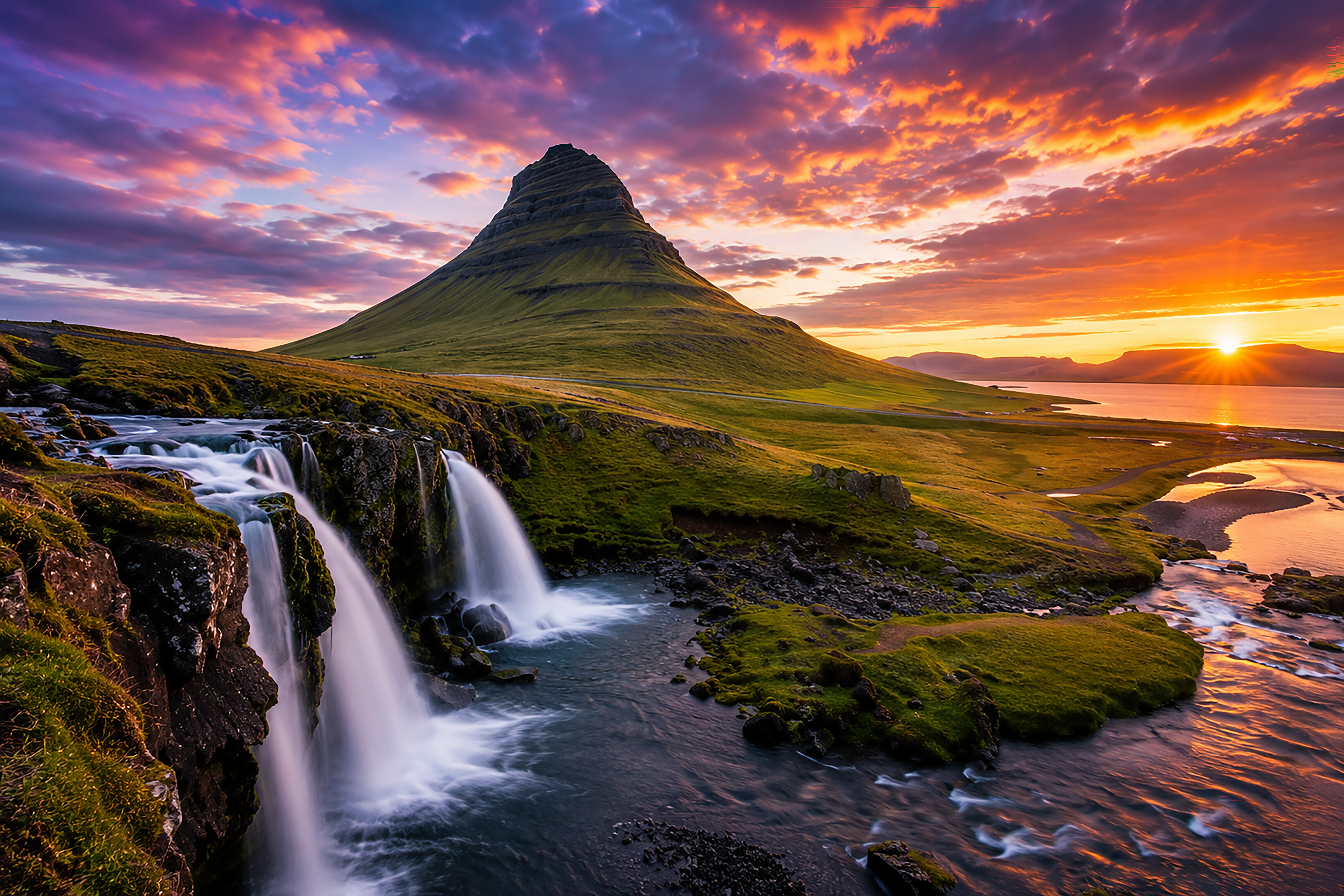
- Kirkjufell when road, wind, cloud, and aurora conditions permit, without entering private land
- Skógafoss from established paths, avoiding the upper stairway when ice, wind, or closures make it unsafe
Cultural Etiquette
- Shower thoroughly without a swimsuit before entering a public pool, following the posted local bathing rules.
- Never drive off-road. It is prohibited and can cause damage that remains visible for decades.
- Service is included in listed prices. Tipping is optional rather than expected.
- Do not disturb moss, move stones, or build new cairns.
Travel Responsibly
Sustainability notes.
Social interactions in Iceland are often informal and direct. In natural areas, restraint matters more than performance. Stay behind barriers, follow marked routes, and do not step onto moss simply to improve a photograph.
- Keep self-drive routes compact, avoid unnecessary backtracking, and choose the smallest suitable vehicle for the season and terrain.
- Choose certified Vakinn operators for whale watching and glacier tours.
- Refill from the tap; bottled water is unnecessary and discouraged.
A Suggested Itinerary
3 days, considered.
Sample recommendations for demonstration purposes. Final travel plans should be customized and verified before booking.
- 01
Arrive and settle into Reykjavík
Lodging
Hotel Borg, Reykjavík
MorningArrive at Keflavík, transfer to Reykjavík, and leave luggage at the hotel. Keep the first hours unstructured in case the flight or airport transfer runs late.AfternoonWalk the harbor, Harpa, and the streets around Hallgrímskirkja. Stop for coffee and use the time to adjust before driving begins.EveningChoose one geothermal experience, either Sky Lagoon or a Reykjavík public pool. Follow it with an early dinner and a full night's rest.DiningMatur og Drykkur for a modern approach to Icelandic cookingTransportAirport coach or private transfer. Collect the rental car this evening or the following morning. - 02
Follow the South Coast to Vík
Lodging
Hotel Kría, Vík
MorningLeave Reykjavík after breakfast. Visit Seljalandsfoss and Skógafoss, allowing enough time to walk rather than treating each as a roadside photograph.AfternoonContinue east toward Dyrhólaey and Vík. Stop only when weather, daylight, and road conditions leave a comfortable margin.EveningCheck in at Hotel Kría, eat on site, and review the next day's road and beach conditions before making further plans.DiningDrangar Restaurant at Hotel KríaTransportSelf-drive on Route 1. Check SafeTravel and official road conditions before departure. - 03
Black sand and the return west
Lodging
Hotel Borg, Reykjavík
MorningVisit Reynisfjara only if the posted beach-safety status permits it. Stay well back from the water and follow all closures and warning lights.AfternoonReturn west at an unhurried pace. Use any remaining time for a missed waterfall, the Lava Centre in Hvolsvöllur, or a quiet lunch rather than adding another distant landmark.EveningReturn to Reykjavík, settle into the hotel, and leave the evening flexible. Weather delays should not place a dinner reservation or flight at risk.DiningLunch in Vík, followed by a flexible final dinner near the Reykjavík hotelTransportSelf-drive west on Route 1. Allow additional time for weather, road conditions, and winter darkness.
Map-Ready Locations
Pinned on the ground.
Save these locations to your trip board. Each one includes coordinates for Google Maps, Apple Maps, or your preferred itinerary app.
Nature
Reynisfjara Beach
South Coast
Check the official wave-hazard forecast, follow the warning lights, remain well back from the sea, and never turn your back on the surf.
63.4055, -19.0444
Nature
Jökulsárlón
Vatnajökull
Allow time for both the lagoon and nearby Diamond Beach without treating either as a brief roadside stop.
64.0784, -16.2306
Hotel · Boutique
Hotel Rangá
South Iceland
Aurora wake-up calls are relevant during the dark season, but sightings always depend on cloud cover and solar activity.
63.7426, -20.2949
Spa
Sky Lagoon
Kópavogur
Reserve timed admission in advance, especially for popular evening periods.
64.1042, -21.9486
Viewpoint
Stokksnes / Vestrahorn
Höfn
Pay the small access fee at the cafe; check tides.
64.2548, -14.9926
Sample recommendations for demonstration purposes. Final travel plans should be customized and verified before booking.
Signature Journeys
A deeper way into Iceland.
Curated routes shaped around a particular interest, season, or way of experiencing the destination.
From the Éto Journal
Go deeper.
Stories, strategies, and ideas connected to this destination.