Best time to visit
Early April (sakura) and mid-November (momiji); avoid Golden Week and Obon
Ideal trip length
3–4 nights, allowing time for early temple visits and slower neighborhood exploration
Climate
Temperate, with cold winter mornings and hot, humid summer afternoons that can exceed 35°C
Region
Asia
Overview
A place worth knowing.
Kyoto rewards early starts and deliberate pacing. Walk a temple district before the busiest hours, pause for coffee or a garden, and resist treating the city as a checklist. Its beauty becomes clearer when the itinerary leaves room for quiet observation.
Why I recommend this
Kyoto changes dramatically with the hour. Temple approaches that feel congested at midday can become deeply atmospheric in the early morning, while quieter neighborhoods reveal the living city beyond its celebrated landmarks. It pairs naturally with Tokyo while offering a very different rhythm.
Christopher, lead advisor
Sample recommendations for demonstration purposes. Final travel plans should be customized and verified before booking.
When Kyoto works
Choose the season that suits the trip.
Each season changes the rhythm of Kyoto. The right time depends on the atmosphere, pace, and tradeoffs you want.
Spring
March to May
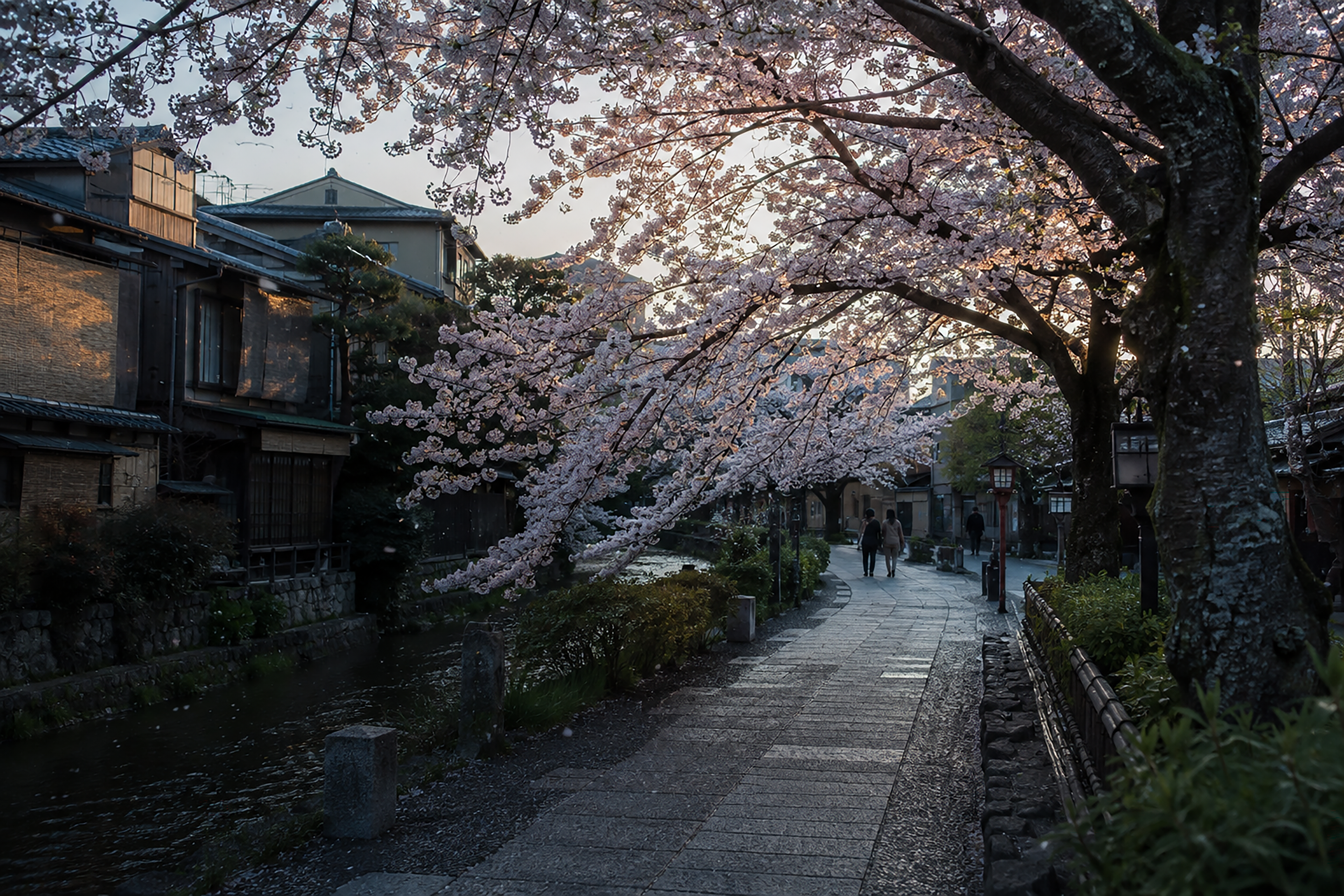
Cherry blossoms transform Kyoto, especially from late March into early April. The atmosphere can be extraordinary, but lodging, trains, and landmark districts experience intense demand. May is warmer, greener, and often easier to navigate.
Summer
June to August
Early summer brings rain, followed by considerable heat and humidity. July offers Gion Matsuri and a strong sense of living tradition, but days should begin early and include deliberate breaks from the heat.
Autumn
October to November
Cooler air and changing maples make autumn one of Kyoto's most rewarding seasons. November color also brings substantial crowds, so timing and neighborhood choice become especially important.
Winter
December to February
Winter is quieter, colder, and often more contemplative. Temple gardens can feel especially still, accommodations may be easier to secure outside the holiday period, and seasonal cuisine becomes part of the experience.
Before you go
The details that shape the trip.
- Arrival
- Most travelers arrive by train at Kyoto Station. The shinkansen connects Kyoto directly with Tokyo, while the Haruka limited express provides direct service from Kansai International Airport. Kyoto itself does not have a major commercial airport.
- Local transport
- Use trains and the subway as the backbone of the day, then add buses when they provide the clearest final connection. Popular bus routes can become crowded, so walking, rail, or an occasional taxi may be more comfortable and efficient.
- Payment
- Major hotels and many restaurants accept cards, and IC cards work across much of the transportation network. Keep some yen available for smaller restaurants, temples, markets, and traditional shops.
- Language
- Major stations and visitor areas provide English signage, but smaller establishments may offer limited English. Simple Japanese greetings and a translation tool can make quieter, more local interactions easier.
- Book ahead
- Book distinctive hotels, ryokan, private cultural experiences, and important meals several months ahead for cherry blossom and autumn foliage periods. Reserve even earlier if exact dates or a particular property matter.
Kyoto by time
What can you realistically experience?
More time creates more range, but a shorter visit can still feel complete when the geography and priorities are clear.
24 hours
One side of Kyoto, before the crowds
Choose eastern Kyoto or Arashiyama rather than trying to cross the city. Begin before breakfast, build the day around one geographic area, and leave space for a temple garden, a quiet meal, and an evening walk.
48 hours
Temples, streets, and living craft
Use one day for eastern Kyoto and another for Arashiyama, Nishijin, or southern Kyoto. Pair major cultural sites with a workshop, market, garden, or neighborhood that reveals the city beyond its landmarks.
72 hours
Kyoto at a human pace
Three days allow an early eastern-temple route, a western or northern Kyoto day, and a slower day shaped by tea, craft, food, or gardens. The extra time is best used for depth rather than a longer checklist.
Where to Stay
Recommended neighborhoods.
Higashiyama
Stone lanes, Kiyomizu-dera at your doorstep. Atmospheric but busy by mid-morning.
Gion
Old machiya townhouses, geiko district. Atmospheric evenings, quiet days.
Arashiyama
Bamboo grove and river views. Best as a base if you want pre-sunrise access.
Nishijin
A working textile district with traditional workshops, neighborhood cafés, machiya architecture, and a quieter residential rhythm.
Hotels
Stays by category.
Budget
Piece Hostel Sanjo
Sanjo
Modern hostel with private rooms; 5 minutes to subway and Pontocho.
Mid-Range
Hotel Anteroom Kyoto
Kujo
Art-driven hotel with an excellent gallery and breakfast bakery.
Boutique
Sowaka
Gion
A 23-room machiya conversion with a quiet courtyard. Reserve well ahead for spring and autumn.
Luxury
Aman Kyoto
North Kyoto (forested)
Forest pavilions on a former garden estate; onsen, kaiseki, total quiet.
Sample recommendations for demonstration purposes. Final travel plans should be customized and verified before booking.
Top Attractions
- Fushimi Inari at 5:30 a.m. Walk the full 2-hour loop
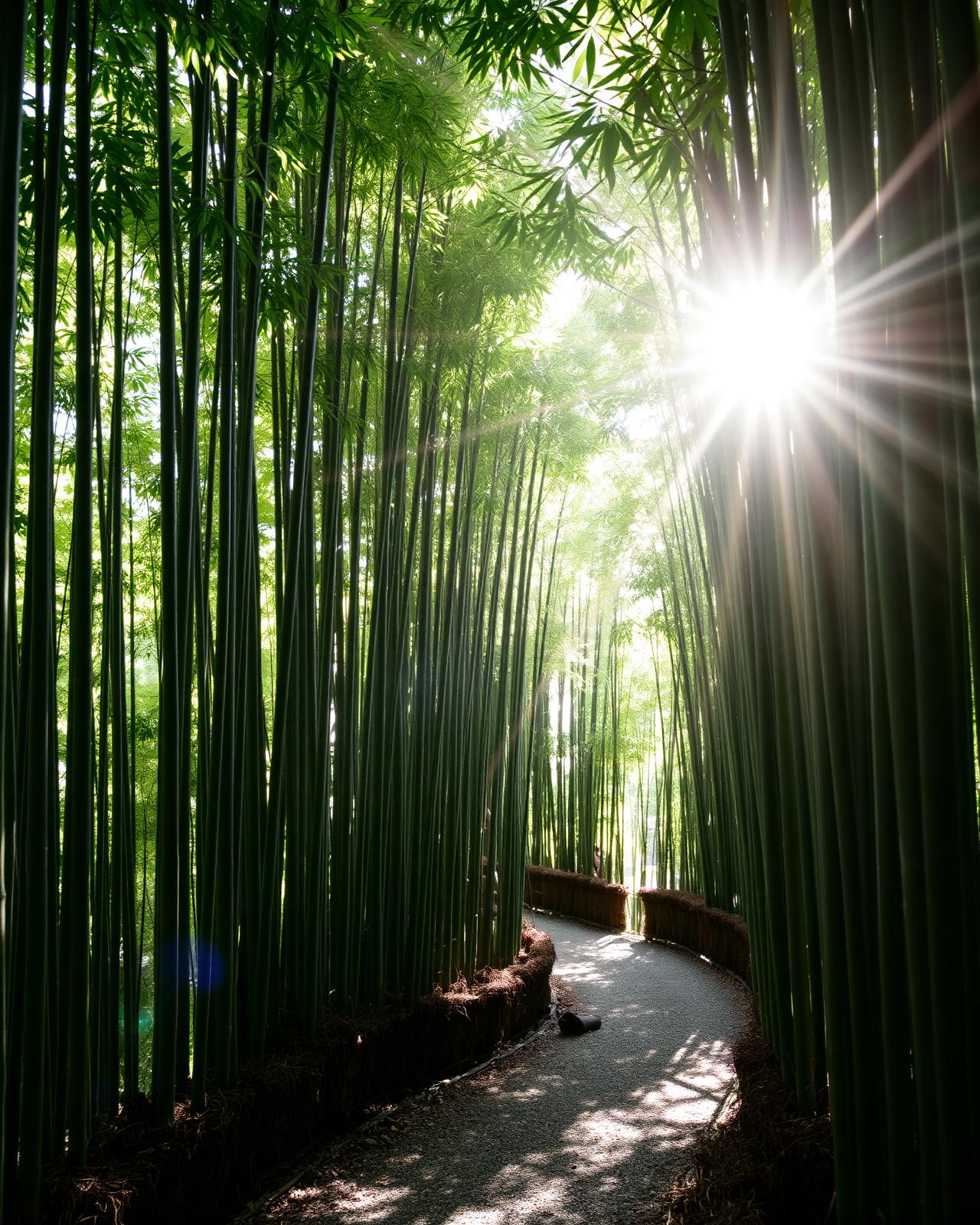
- Arashiyama Bamboo Grove before 7 a.m.
- Kinkaku-ji (Golden Pavilion). Go at opening
- Nanzen-ji aqueduct and sub-temples
- Gion at dusk. Quiet stroll, no photography of geiko
Hidden Gems
- Honen-in moss garden, just off Philosopher's Path
- Kurama-dera mountain temple, 30 min by train
- Demachi Futaba mochi shop. Order the mame mochi
- Kamigamo Shrine on the 25th of the month (open-air market)
Food Recommendations
- Shojin ryori (Buddhist vegetarian) at Tenryu-ji's Shigetsu
- Obanzai home cooking at Menami, Kawaramachi
- Tofu kaiseki at Tousuiro, Kiyamachi
- Nishiki Market wander. Pickles, sesame, freshly grilled mochi
Coffee Recommendations
- % Arabica Higashiyama for espresso near the preserved streets of eastern Kyoto
- Weekenders Coffee Tominokoji for carefully roasted coffee in a small courtyard setting
- Kurasu Kyoto Stand for meticulous pour-overs near Kyoto Station
- WIFE&HUSBAND in Kitaoji for house-roasted coffee and honey toast. Reserve an indoor café slot because toast is unavailable with the weather-dependent picnic option, and check the irregular opening calendar.
- Walden Woods Kyoto for a spacious, minimalist coffee stop south of central Kyoto
Photography Spots
- Arashiyama bamboo grove at 6 a.m., no crowds, soft light
- Fushimi Inari upper paths (above the first 30 min of crowds)
- Kamogawa river at golden hour, looking south from Sanjo Bridge
- Hokan-ji (Yasaka Pagoda) from Yasaka-dori at dawn
Cultural Etiquette
- No photos of geiko/maiko in private Gion lanes. Fines are issued.
- Remove shoes at all temple entrances marked with a step up.
- Speak softly inside temple grounds; some have explicit no-photo zones.
- Bow lightly when entering shops: a small gesture, warmly received.
Travel Responsibly
Sustainability notes.
Kyoto is a working city, not an open-air museum. Geiko and maiko are commuting to appointments. They are not a photo opportunity. Many private lanes in Gion now forbid photography, and signs are enforced.
- Use Kyoto's combined Subway & Bus 1-Day Pass when the day's route justifies it, and favor rail for longer cross-city journeys.
- Carry your own chopsticks for casual meals; convenience-store waribashi adds up.
- Support family-run kaiseki and tea houses in Nishijin and Gion.
A Suggested Itinerary
3 days, considered.
Sample recommendations for demonstration purposes. Final travel plans should be customized and verified before booking.
- 01
Arashiyama early
Lodging
Sowaka, Gion
Morning5:45 a.m. taxi to bamboo grove; walk to Tenryu-ji garden as it opens.AfternoonRiverside lunch at Shoraian (tofu kaiseki); train back to base.EveningPontocho Alley dinner at a small kappo counter; nightcap at Bar K6.DiningShoraian tofu kaiseki, then kappo dinner at YoshikawaTransportMorning taxi, JR Sagano line back - 02
Eastern temples & Philosopher's Path
Lodging
Sowaka, Gion
MorningOpen Nanzen-ji; walk the Philosopher's Path north to Ginkaku-ji.AfternoonHonen-in moss garden, then matcha at Ippodo's tasting room.EveningGion stroll at dusk; kaiseki at Giro Giro Hitoshina (modern, accessible).DiningGiro Giro Hitoshina for an inventive approach to kaisekiTransportWalking; taxi for evening - 03
Tea, craft, and Fushimi
Lodging
Sowaka, Gion
MorningPrivate tea ceremony in a Higashiyama machiya.AfternoonIndigo-dye workshop in Nishijin with a 4th-generation craftsman.EveningFushimi Inari at 4 p.m. for golden hour; sake tasting in Fushimi-ku.DiningYakitori and local junmai at Izakaya Toriyoshi in FushimiTransportSubway and short taxi rides
Map-Ready Locations
Pinned on the ground.
Save these locations to your trip board. Each one includes coordinates for Google Maps, Apple Maps, or your preferred itinerary app.
Cultural Site
Fushimi Inari Taisha
Fushimi
Start before sunrise for the upper paths alone.
34.9671, 135.7727
Nature
Arashiyama Bamboo Grove
Arashiyama
Enter from the north entrance to skip the worst crowds.
35.0170, 135.6720
Hotel · Boutique
Sowaka
Gion
A small machiya hotel that often requires substantial advance planning.
35.0001, 135.7790
Coffee
% Arabica Higashiyama
Higashiyama
Go at opening, order the Kyoto blend.
34.9988, 135.7806
Cultural Site
Kiyomizu-dera
Higashiyama
Visit near opening or later in the day to avoid the heaviest daytime crowds.
34.9949, 135.7851
Sample recommendations for demonstration purposes. Final travel plans should be customized and verified before booking.
Signature Journeys
A deeper way into Kyoto.
Curated routes shaped around a particular interest, season, or way of experiencing the destination.
From the Éto Journal
Go deeper.
Stories, strategies, and ideas connected to this destination.

Travel Strategy
Choose the Neighborhood Before You Choose the Hotel
Where you stay determines what is outside your door, how much time you spend in transit, where you eat, what you discover, and how a destination feels. Choose the neighborhood first, then find the hotel that belongs there.
Travel Strategy
When Open Does Not Mean Available
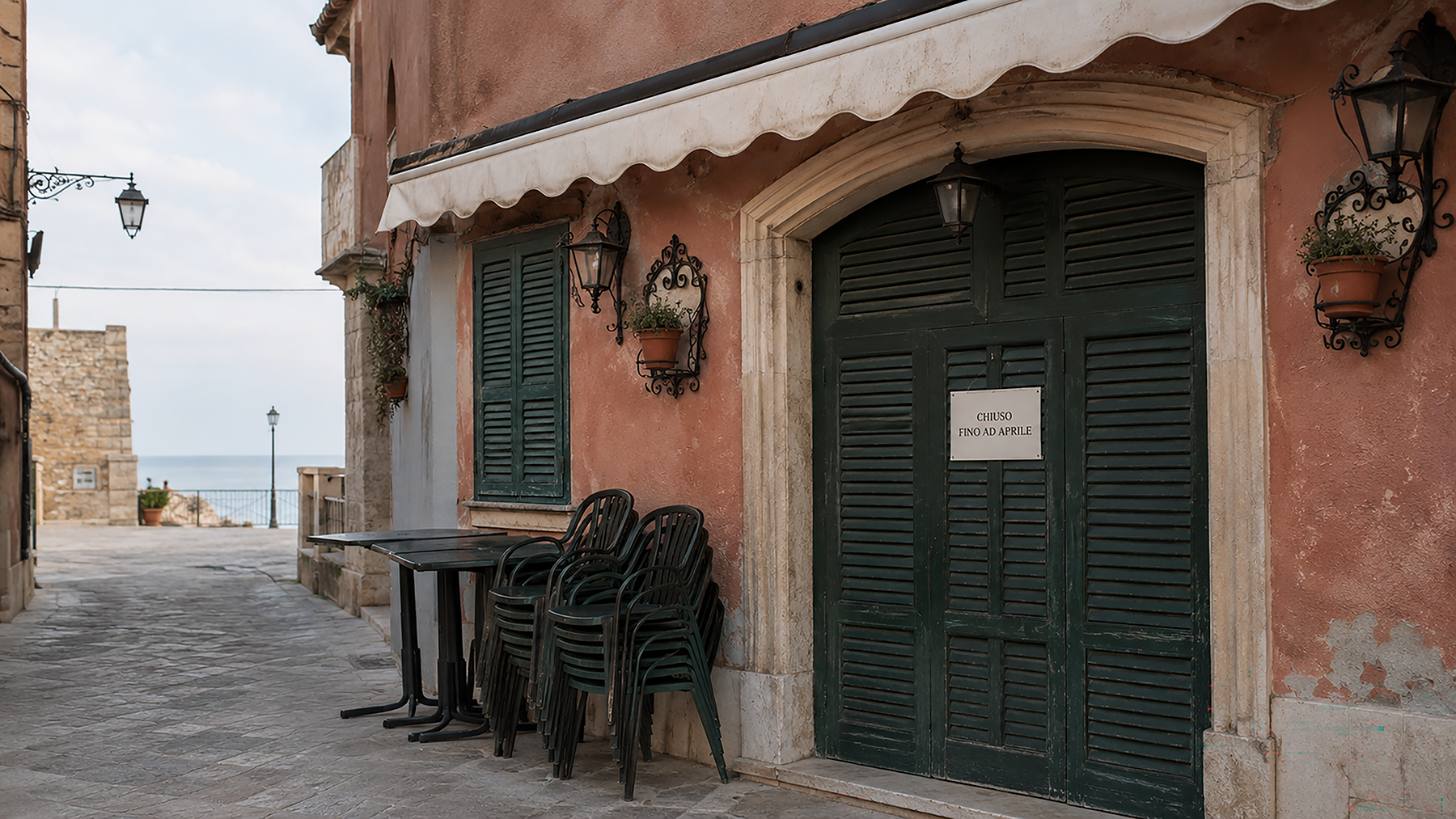
A place can be operating and still be unavailable to you. Better travel planning accounts for seasonal schedules, sold-out reservations, transportation changes, weather, and the difference between technically open and realistically accessible.