Best time to visit
Late March–early April for cherry blossoms, or October–November for cooler, clearer weather
Ideal trip length
5–7 nights, ideally paired with 3 nights in Kyoto
Climate
Humid subtropical, with cool winters and hot, humid summers that frequently exceed 30°C
Region
Asia
Éto at a glance
How this destination travels.
A quick read on how Éto thinks about the destination before you start planning.
Best for
Food · Culture · Design · Photography
Éto pace
Moderate
Travel friction
Low
Experience density
Exceptional
Sweet spot
5–7 nights
Overview
A place worth knowing.
Tokyo holds contradictions effortlessly: Meiji Jingu's cedars one block from Harajuku's neon, a hushed kaiseki counter above a karaoke tower. The city rewards travelers who slow down and let one neighborhood at a time reveal itself.
Why I recommend this
I send first-timers to Tokyo because nowhere else compresses so many distinct micro-cultures into one rail map. With a Suica card and a loose plan, you can move from a 6 a.m. shrine walk in Yoyogi to a tempura counter in Ginza to a jazz kissa in Shinjuku. And each one will feel like its own trip.
Christopher, lead advisor
Sample recommendations for demonstration purposes. Final travel plans should be customized and verified before booking.
The Éto Perspective
How to think about Tokyo.
Tokyo is enormous, but the best way to experience it is small. Rather than trying to conquer the city, choose a few neighborhoods and let each become its own world. A shrine at dawn, a tiny lunch counter, an afternoon devoted to design, and a neighborhood bar after dark can tell you more about Tokyo than a checklist of landmarks ever will.
Getting around
Tokyo's rail and metro networks make the city's scale surprisingly manageable. Think in neighborhood clusters rather than individual attractions: spend part of a day around Shibuya and Aoyama, another around Ueno and Yanaka, and another around Ginza or eastern Tokyo. The goal is not to minimize movement, but to avoid repeatedly crossing the city for isolated stops.
Spend intelligently
Tokyo works across a wide range of budgets. Rail travel and excellent casual food can remain affordable, leaving room for one or two choices that shape the trip. That might be a distinctive hotel, a private guide, or a carefully selected meal.
Éto note
Don't try to finish Tokyo
Tokyo rewards curiosity more than completion. Leave neighborhoods unexplored and restaurants unvisited. A first trip should create reasons to return rather than eliminate them.
Éto note
Build days geographically
Tokyo's transportation is excellent, but unnecessary cross-city travel still consumes attention and energy. Build each half-day around a neighborhood or neighboring group of districts.
Éto note
Use your budget unevenly
Some of Tokyo's most memorable meals and experiences cost remarkably little. Save where spending adds little, then deliberately spend on the few experiences that can change the character of the trip.
When Tokyo works
Choose the season that suits the trip.
Each season changes the rhythm of Tokyo. The right time depends on the atmosphere, pace, and tradeoffs you want.
Spring
March to May
Cherry blossom season brings extraordinary atmosphere and significant demand. Late March through early April is beautiful but busy, while May is warmer and often easier to plan.
Summer
June to August
Expect heat, humidity, and a wetter early summer. Festivals and long evenings can be rewarding, but plan lighter days and allow more indoor time.
Autumn
October to November
One of Éto's favorite periods for Tokyo. Cooler temperatures, clearer skies, autumn color, and comfortable walking weather make neighborhood exploration especially good.
Winter
December to February
Cool, often dry, and surprisingly rewarding. Clear skies improve city views, crowds can be lighter outside the holiday period, and winter food culture is a reason to visit in itself.
Before you go
The details that shape the trip.
- Arrival
- Most international travelers arrive through Haneda or Narita. Haneda is substantially closer to central Tokyo, while Narita requires a longer rail or road transfer.
- Local transport
- Rail and metro should handle most daily movement. Use an IC card or compatible mobile wallet where available, then add taxis selectively when they meaningfully simplify the day.
- Payment
- Cards are widely accepted, but carrying some yen is useful for smaller shops, restaurants, temples, and other cash-only situations.
- Language
- English signage is widespread across major transportation systems and visitor areas. A few basic Japanese phrases still make everyday interactions warmer and easier.
- Book ahead
- Reserve high-demand restaurants, observation decks, special exhibitions, and distinctive hotels well ahead during spring and autumn.
Tokyo by time
What can you realistically experience?
More time creates more range, but a shorter visit can still feel complete when the geography and priorities are clear.
24 hours
One neighborhood, done well
Choose one part of Tokyo rather than racing across the city. Aoyama, Shibuya, and nearby districts can support a complete day of food, design, culture, and evening energy.
48 hours
Modern Tokyo meets old Tokyo
Pair western Tokyo's design and nightlife with Yanaka, Ueno, or Kagurazaka. Two geographically coherent days will feel richer than a landmark checklist.
72 hours
Three Tokyos
Devote one day to modern western Tokyo, one to older eastern neighborhoods, and one to a personal interest such as food, architecture, photography, or contemporary art.
Where to Stay
Recommended neighborhoods.
Aoyama / Omotesando
Calm, design-led base: leafy boulevards, easy metro access, walkable to Shibuya and Harajuku.
Marunouchi
Polished business district near Tokyo Station, ideal for shinkansen day trips and first-time arrivals.
Yanaka
Old Tokyo: wooden shopfronts, cats, cemeteries, slow mornings.
Shimokitazawa
Vintage shops, tiny live houses, and the city's best independent coffee scene.
Hotels
Stays by category.
Budget
UNPLAN Kagurazaka
Kagurazaka
Design-forward hostel with private rooms in a lantern-lit former geisha quarter.
Mid-Range
Hotel Niwa Tokyo
Suidobashi
A quiet, Japanese-influenced hotel within walking distance of Jimbocho and convenient rail connections.
Boutique
Trunk Hotel Cat Street
Shibuya / Harajuku
A design-focused stay near the fashion, food, and nightlife of Shibuya and Harajuku.
Luxury
Aman Tokyo
Otemachi
33rd-floor onsen, Imperial Palace views, the gold standard for service in Asia.
Sample recommendations for demonstration purposes. Final travel plans should be customized and verified before booking.
Top Attractions
- Meiji Jingu Shrine at 6:30 a.m. (before tour buses)
- teamLab Planets, ideally with the earliest available entry
- Shibuya Sky observation at blue hour
- Tsukiji Outer Market for a tamago-and-uni breakfast
- Nezu Museum & garden in Aoyama
Hidden Gems
- Kagurazaka's lantern-lit back alleys after dark
- Daikanyama T-Site bookstore during a quiet weekday evening
- The carefully preserved mid-century lobby in Hotel Okura's Heritage Wing
- Bar Ben Fiddich in Nishi-Shinjuku for foraged cocktails
Food Recommendations
- Sushi Saito only with confirmed referral access, or another carefully vetted omakase counter with a transparent booking process
- Tonkatsu Maisen Aoyama: the original branch in a converted bathhouse
- Afuri ramen, Ebisu: yuzu-shio that converts skeptics
- Kagari ramen, Ginza: chicken paitan, a 30-minute queue is normal
Coffee Recommendations
- Koffee Mameya Kakeru, Kiyosumi: tasting-menu coffee in a former warehouse
- Glitch Coffee, Jimbocho: light-roast pioneers
- Fuglen Tokyo, Tomigaya: Norwegian roasters, neighborhood institution
- Bear Pond Espresso, Shimokitazawa: old-school perfectionist
Photography Spots
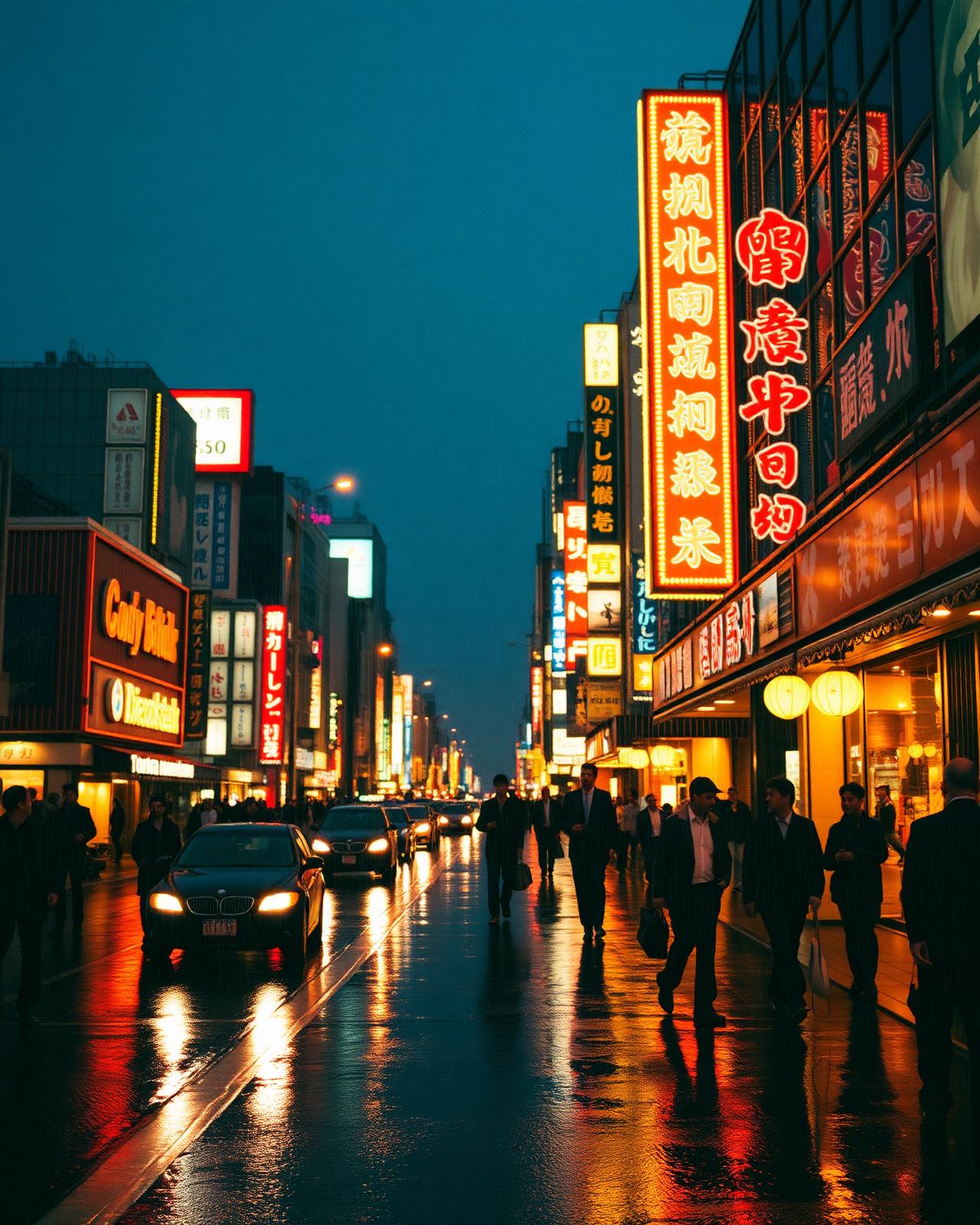
- Shibuya Crossing from Mag's Park rooftop, 5 p.m. on a wet evening
- Shibuya Sky open-air deck at blue hour (45 min after sunset)
- Yanaka cemetery cherry blossoms in early April, 7 a.m.
- Tokyo Tower from Roppongi Hills observation, golden hour
Cultural Etiquette
- No phone calls on trains; keep voices low.
- Cards are widely accepted, but keep some yen on hand for smaller restaurants, shops, temples, and cash-only machines.
- Shoes off when you see a raised entry threshold (genkan).
- Don't tip. It can cause confusion or be politely returned.
Travel Responsibly
Sustainability notes.
Tokyo runs on quiet competence. Trains are silent, queues are sacred, and small acts of consideration carry weight that words cannot. A traveler who watches first and acts second will be welcomed everywhere.
- Use the rail and metro. The JR Yamanote Line connects many major districts, while subway and private rail lines reach neighborhoods beyond the loop.
- Carry a small towel and reusable bottle; public bins are rare and tap water is excellent.
- Skip the disposable umbrella stands at konbini. Bring a packable one from home.
A Suggested Itinerary
3 days, considered.
Sample recommendations for demonstration purposes. Final travel plans should be customized and verified before booking.
- 01
Arrive & ease in: Aoyama
Lodging
Trunk Hotel Cat Street
MorningNarita Express to Tokyo Station; private car to hotel; soak and reset.AfternoonSlow walk Omotesando → Cat Street → Meiji Jingu (enter from Harajuku gate).EveningCounter-seat dinner at a yakitori-ya in Ebisu; quiet nightcap at Bar Trench.DiningA reserved yakitori counter in Meguro, with Torishiki considered only when access is secured well in advanceTransportPrivate airport transfer; metro for the evening - 02
Old Tokyo: Yanaka & Ueno
Lodging
Trunk Hotel Cat Street
MorningWalking tour of Yanaka with a local guide; stop for taiyaki at Tsubame Doraneko.AfternoonTokyo National Museum at Ueno: Focus on the Honkan main hall.EveningTea ceremony in a private machiya in Kagurazaka, then kaiseki at Ishikawa.DiningIshikawa, Kagurazaka: 3-star kaisekiTransportMetro and short taxi between Yanaka and Kagurazaka - 03
Design & light: teamLab to Shibuya Sky
Lodging
Trunk Hotel Cat Street
MorningTimed entry at teamLab Planets in Toyosu, ideally using one of the earliest available slots.Afternoon21_21 Design Sight in Midtown; bookshop wander at Daikanyama T-Site.EveningShibuya Sky at blue hour, dinner at a Nakameguro izakaya along the canal.DiningModern Japanese cooking in Higashi-Yama's quiet Nakameguro settingTransportYurikamome line to Toyosu; metro back
Map-Ready Locations
Pinned on the ground.
Save these locations to your trip board. Each one includes coordinates for Google Maps, Apple Maps, or your preferred itinerary app.
Cultural Site
Meiji Jingu Shrine
Shibuya
Arrive at opening for stillness under the cedars.
35.6764, 139.6993
Experience
teamLab Planets
Toyosu
Some installations involve walking through water, so choose clothing that can be adjusted comfortably.
35.6492, 139.7905
Viewpoint
Shibuya Sky
Shibuya
Reserve a timed entry near sunset and remember that rooftop access can change with weather conditions.
35.6586, 139.7016
Hotel · Luxury
Aman Tokyo
Otemachi
Onsen on the 33rd floor with Imperial Palace views.
35.6873, 139.7649
Coffee
Koffee Mameya Kakeru
Kiyosumi
Reserve the tasting-flight seating in advance.
35.6802, 139.7986
Sample recommendations for demonstration purposes. Final travel plans should be customized and verified before booking.
Signature Journeys
A deeper way into Tokyo.
Curated routes shaped around a particular interest, season, or way of experiencing the destination.
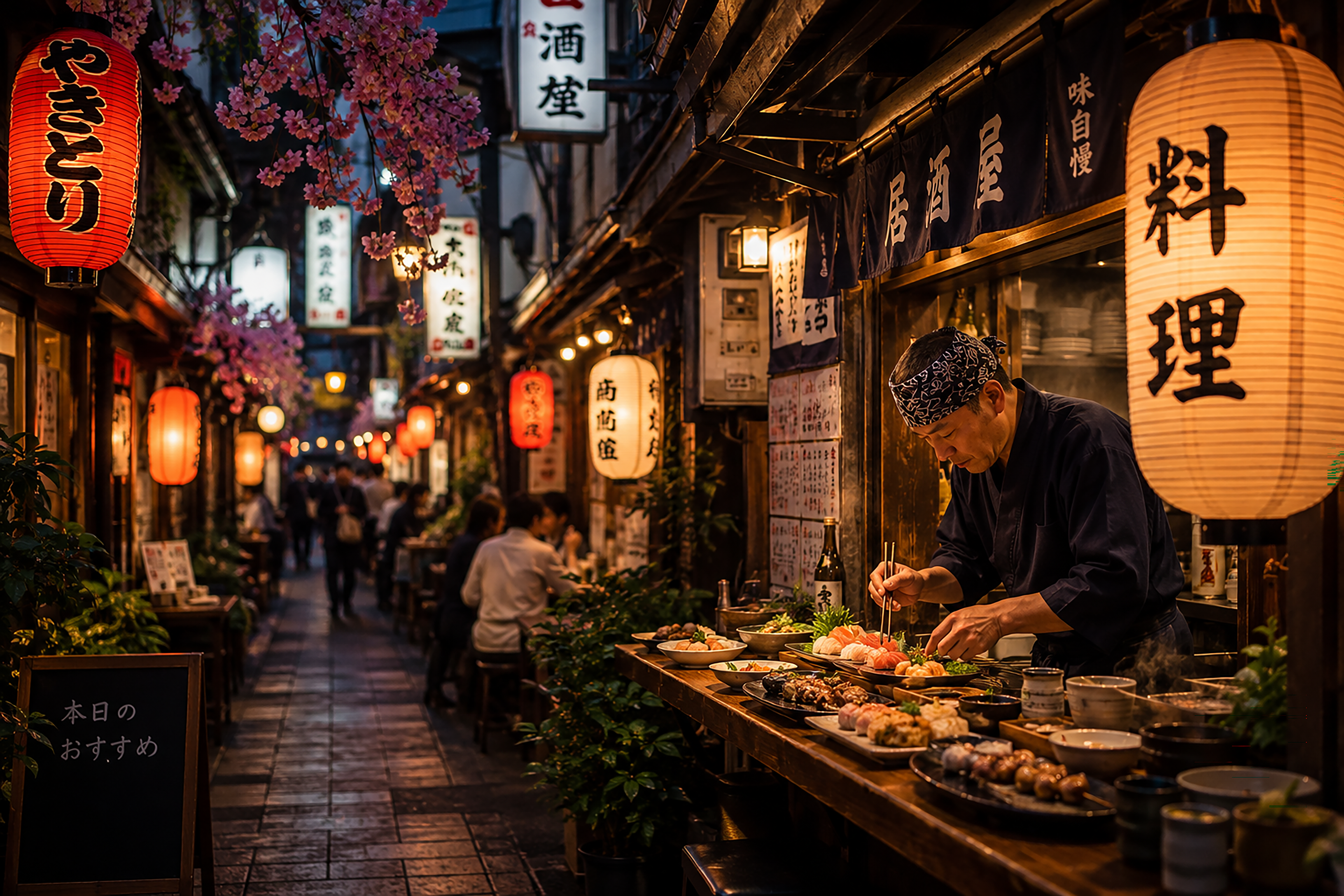
12 Days · March–May • October–November
Japan for Food Lovers
A culinary journey through Tokyo, Kanazawa, Kyoto, Osaka, and Japan's regional traditions.
Explore this journey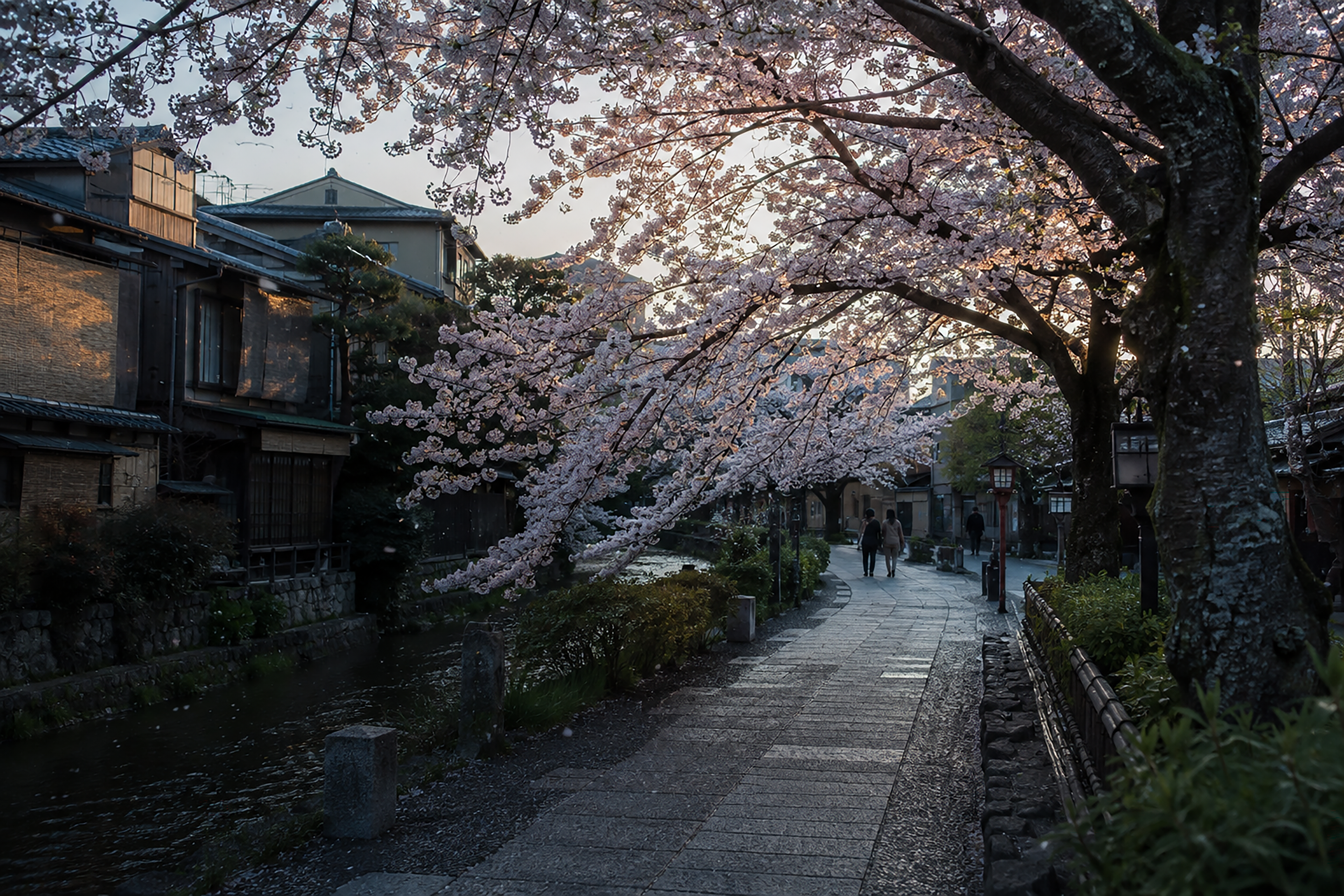
10–14 days · Late March–mid April, with exact timing dependent on region, elevation, variety, and weather
Cherry Blossom Route Through Japan
Follow spring through cities, temple gardens, lake country, and historic streets while leaving room for the season to change the plan.
Explore this journeyFrom the Éto Journal
Go deeper.
Stories, strategies, and ideas connected to this destination.

Travel Strategy
Choose the Neighborhood Before You Choose the Hotel
Where you stay determines what is outside your door, how much time you spend in transit, where you eat, what you discover, and how a destination feels. Choose the neighborhood first, then find the hotel that belongs there.
Travel Strategy
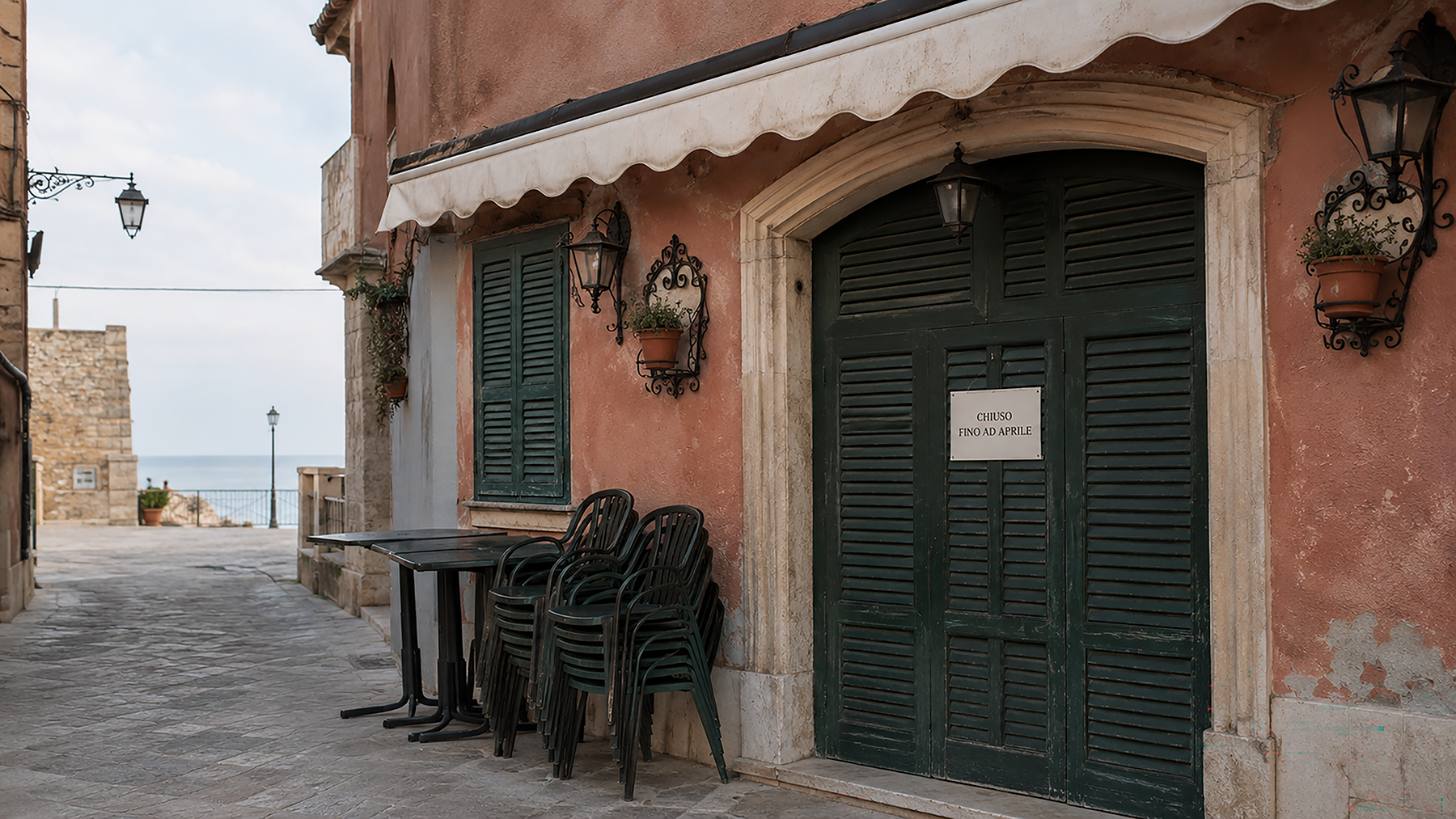
When Open Does Not Mean Available
A place can be operating and still be unavailable to you. Better travel planning accounts for seasonal schedules, sold-out reservations, transportation changes, weather, and the difference between technically open and realistically accessible.