01
2 Nights
Fort Davis
Begin in the Davis Mountains, where higher elevation, dry air, and proximity to McDonald Observatory establish the scientific and geographic context for the journey.
ÉTO Signature Journey
Follow the desert from observatory domes and Marfa art spaces to the immense night skies of Big Bend.
Trip Length
8 to 10 days
Best Time
March through April or October through November, ideally near a new moon
Pace
Slow
Style
Dark-sky road journey
Why This Journey
This journey follows the transition from art town to mountain observatory and finally into one of the darkest landscapes in the continental United States. Days move slowly through Marfa, Fort Davis, desert roads, and the Chisos Mountains. Nights are reserved for astronomy programs, careful scouting, patient photography, and the simple experience of standing beneath an unobstructed sky.
The Route
01
2 Nights
Begin in the Davis Mountains, where higher elevation, dry air, and proximity to McDonald Observatory establish the scientific and geographic context for the journey.
02
2 Nights
Slow the pace among galleries, adobe storefronts, minimalist architecture, desert roads, and the expansive spaces that have shaped Marfa's artistic identity.
03
3 Nights
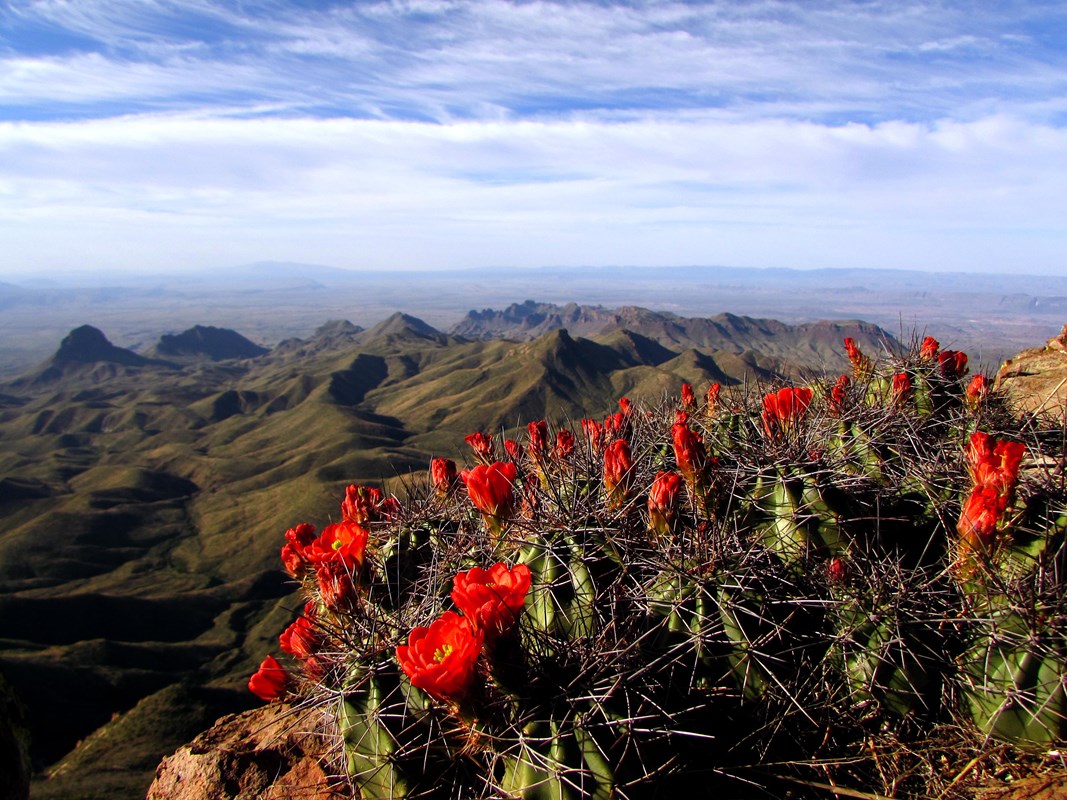
Move deeper into the Chihuahuan Desert for mountain walks, foreground scouting, sunset observation, and nights beneath exceptionally dark skies.
04
1 Night
Finish in a small railroad town with a quieter rhythm, restorative lodging, and one final night beneath the Far West Texas sky.
Taste the Seasons
Temperature, moonlight, atmospheric clarity, summer storms, and seasonal crowds all shape a dark-sky journey. The right timing creates better nights outside and a more comfortable route during the day.
ÉTO Preferred Window
March through April or October through November, ideally near a new moon
March to April
Clear nights and comfortable desert days
Spring offers one of the best balances of mild daytime temperatures, cooler evenings, and manageable conditions for hiking and night photography.
May to June
Warm days and a stronger Milky Way
The galactic core becomes more prominent, but daytime heat requires earlier starts, slower afternoons, and careful hydration.
July to September
Dramatic weather with uncertain visibility
Summer storms can bring powerful clouds, lightning, and changing atmospheric conditions. The photographic potential is high, but clear nights are less predictable.
October to November
Cooler air and longer evenings
Autumn brings more comfortable daytime travel, earlier darkness, and a quieter rhythm across the region.
Landscape Photography & Fieldcraft
Weather, light, wind, cloud, water, scale, and changing road conditions shape the strongest images. Slow down, scout carefully, return when the light changes, and treat the landscape with respect.
Visual Guide
Observatory domes, mountain ridgelines, scientific architecture, and the night sky
Best light
Late afternoon, blue hour, and scheduled evening programs
Timing
Reserve public programs in advance and confirm current access rules
Field note
Photography access may be limited during public programs. Follow all staff instructions and protect night vision by minimizing unnecessary light.
Visual Guide
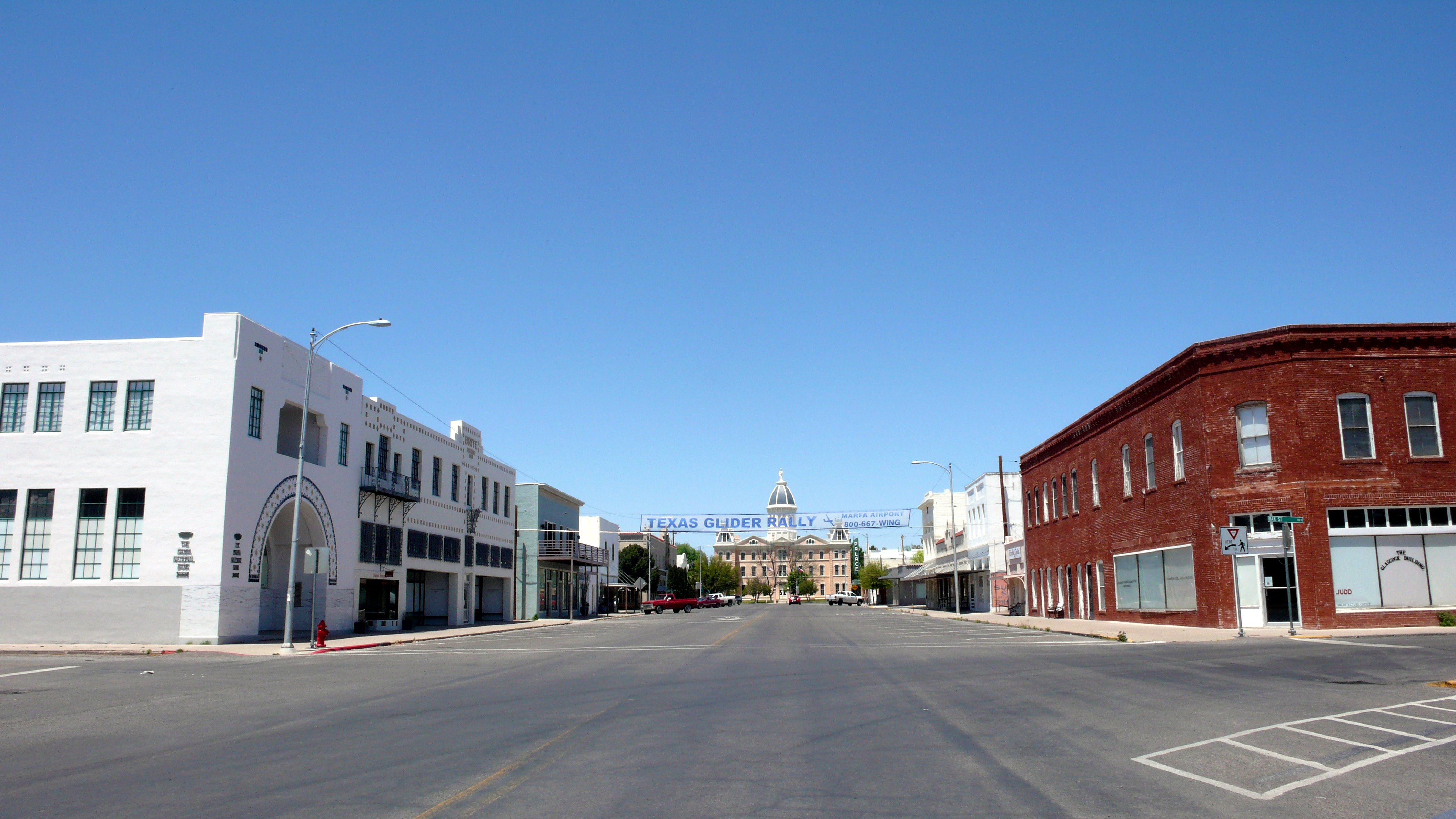
Historic storefronts, adobe textures, signs, empty streets, and restrained architecture
Best light
Early morning or the final hour before sunset
Timing
Walk before shops and galleries open
Field note
Keep the compositions quiet. Marfa is most convincing when photographed as a lived-in town rather than a collection of visual novelties.
Visual Guide
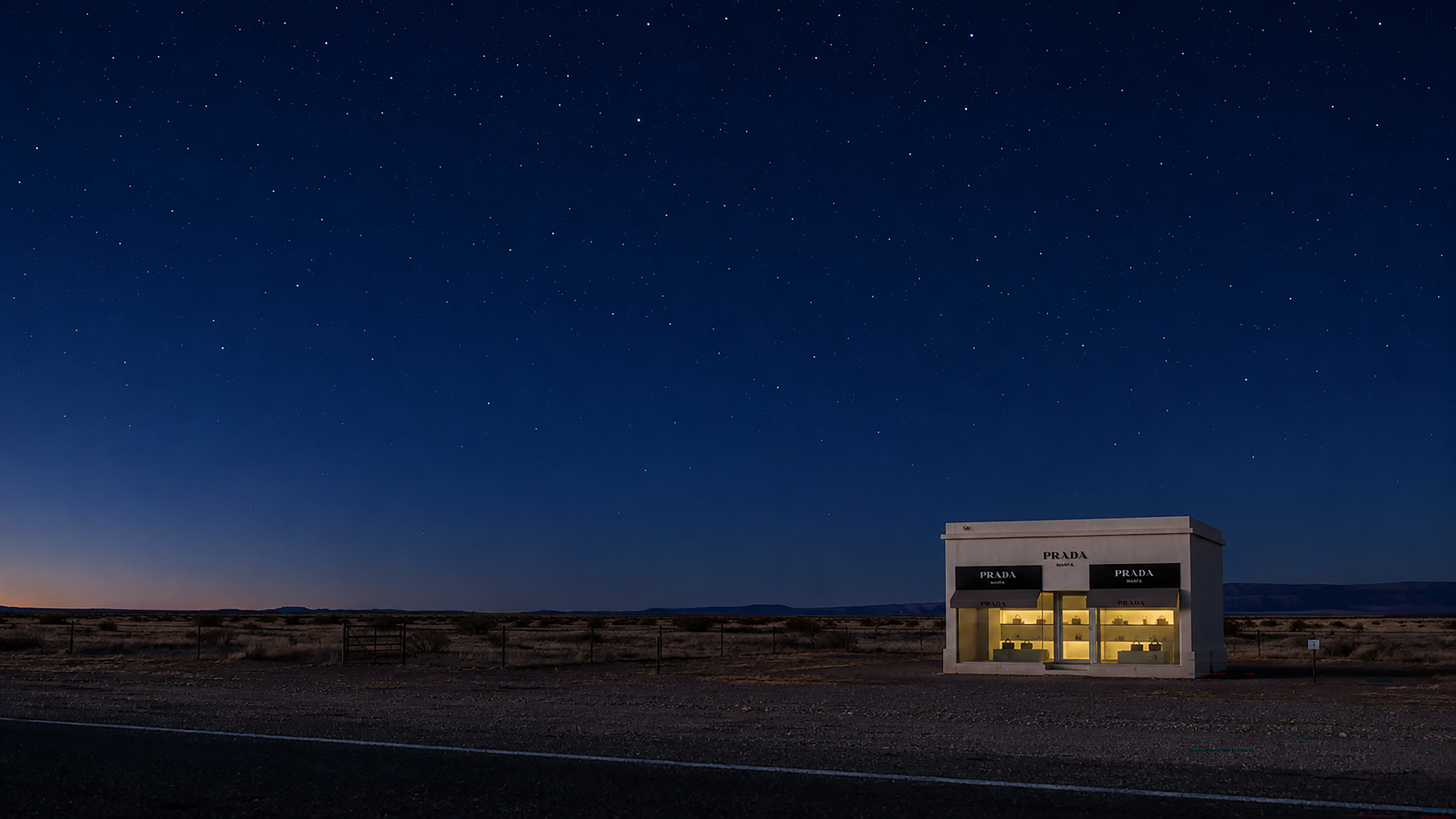
Highway, desert space, passing weather, and the artwork within its isolated setting
Best light
Late afternoon through blue hour
Timing
Visit while traveling between Marfa and Valentine rather than treating it as a rushed roadside stop
Field note
Preserve the sense of distance. Use the established roadside pull-off, remain alert to Highway 90 traffic, and remember that the site is unattended.
Visual Guide
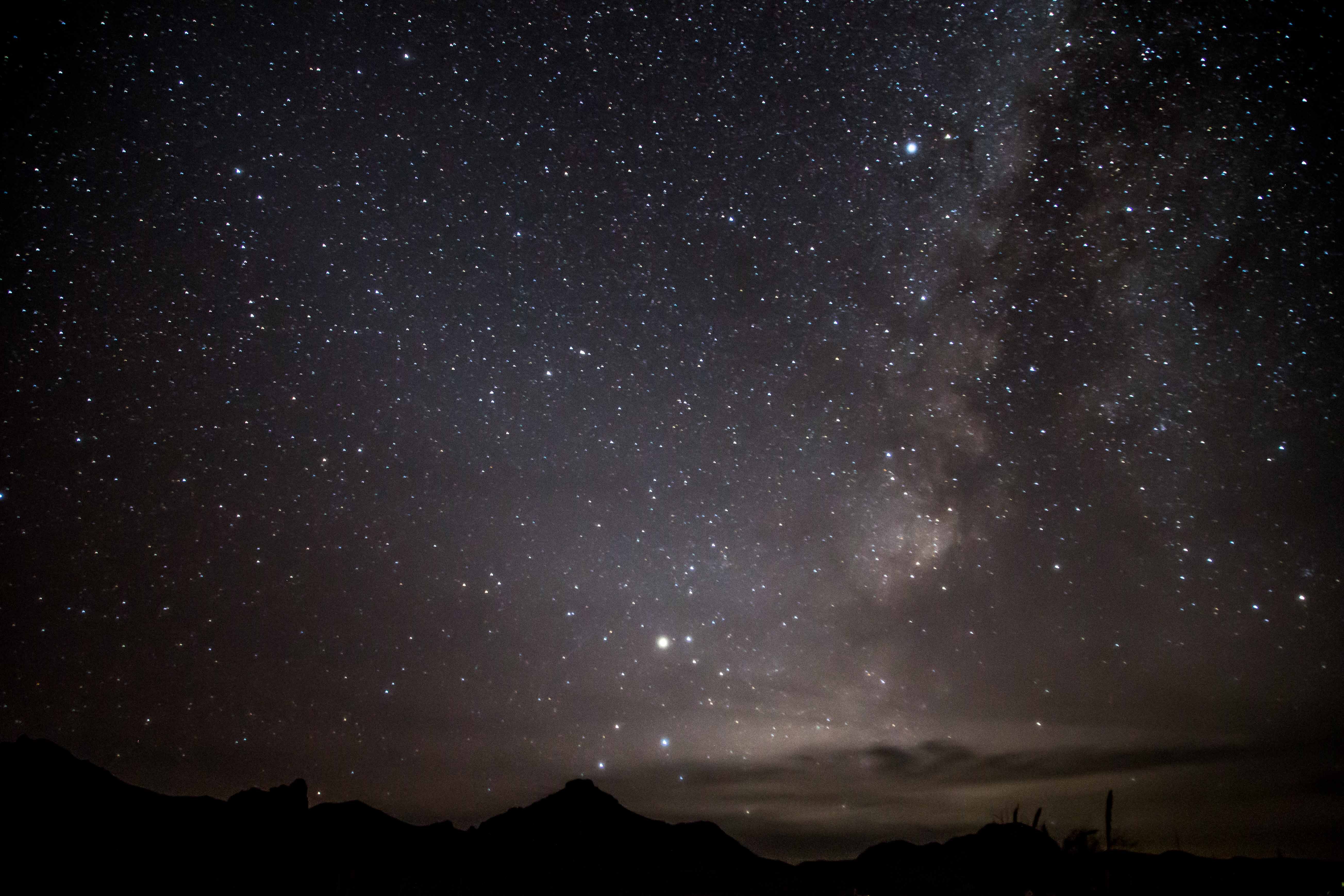
Milky Way, volcanic ridgelines, desert vegetation, and layered mountain silhouettes
Best light
Blue hour through astronomical darkness
Timing
Plan around moon phase, cloud cover, and the seasonal position of the galactic core
Field note
Choose the foreground before dark. Avoid damaging vegetation or leaving established surfaces while composing.
Long roads, geological layers, changing weather, and the scale of the Chihuahuan Desert
Best light
Early morning and late afternoon
Timing
Photograph only from safe pullouts and designated stopping areas
Field note
Never stand in an active roadway for a photograph. Use distance and a longer focal length when necessary.
Signature Experiences
Attend an evening astronomy program at McDonald Observatory
Photograph Marfa's quiet streets before the town fully wakes
Explore the relationship between contemporary art and desert space
Scout Big Bend foregrounds before returning beneath the stars
Watch the Milky Way rise above the Chisos Mountains
Experience the desert without turning every night into a photography assignment
Field sessions shaped around moon phase, foreground choice, weather, and the movement of the Milky Way.
Time in the Davis Mountains planned around public programs at McDonald Observatory.
Four carefully paced bases across Fort Davis, Marfa, Big Bend, and Marathon.
ÉTO Perspective
The purpose of this journey is not to collect photographs of stars. It is to become aware of darkness as a landscape, a natural resource, and an increasingly rare form of silence.
From the Éto Journal
Read the strategy, context, and travel judgment that shaped this route.

Travel Strategy · 9 min read
Driving, flying, and rail each change the shape of a journey. The better question is not simply which is fastest, but which gives you the most worthwhile trip.
Read the story
Travel Strategy · 10 min read
Where you stay determines what is outside your door, how much time you spend in transit, where you eat, what you discover, and how a destination feels. Choose the neighborhood first, then find the hotel that belongs there.
Read the storyMake It Your Own
Use the Planner to customize the route around your dates, budget, pace, preferences, and travel style.