01
5 Nights
Historic Venice
Base in Dorsoduro, Cannaregio, or quieter Castello, using early mornings for major landmarks and the middle of the day for churches, workshops, neighborhood walks, and longer meals.
ÉTO Signature Journey
Understand Venice through its lagoon, neighborhoods, craft traditions, and changing relationship with the water.
Trip Length
7 nights
Best Time
April to May or late September to November, with winter suited to travelers comfortable with colder and less predictable conditions
Pace
Slow
Style
Cultural lagoon journey
Why This Journey
Venice is easier to understand when it is treated as a lagoon city rather than a collection of monuments. This journey begins with five nights in the historic center, allowing its most visited places to be seen before and after the day-trip rhythm. It then moves north into the lagoon for two quieter nights among vineyards, fishing traditions, glassmaking, and island communities. The result is a slower Venice shaped by water, light, craft, and daily life.
The Route
01
5 Nights
Base in Dorsoduro, Cannaregio, or quieter Castello, using early mornings for major landmarks and the middle of the day for churches, workshops, neighborhood walks, and longer meals.
02
2 Nights
Move to Mazzorbo or Burano for a slower final chapter shaped by vineyards, fishing communities, Torcello, Murano glass, and the changing light across open water.
Taste the Seasons
Temperature, humidity, tides, festivals, daylight, and visitor pressure all influence how Venice feels. Choosing when to travel affects not only comfort, but also how much of the city's daily life remains visible.
ÉTO Preferred Window
April to May or late September to November, with winter suited to travelers comfortable with colder and less predictable conditions
April to May
Longer days and mild lagoon weather
Spring offers comfortable walking conditions, fresh seasonal cooking, and increasing daylight before the height of summer congestion.
June to August
Luminous evenings with heat and heavy visitor pressure
Summer brings festivals, long daylight, and active lagoon life, but also humidity, crowds, and higher pressure on the historic center.
September to November
Softer light and a gradual return to local rhythm
Early autumn remains lively, while later weeks bring cooler air, quieter streets, and a greater possibility of high-water conditions.
December to February
Mist, reflection, and atmospheric uncertainty
Winter can reveal Venice at its most introspective, but colder damp weather, shorter days, Carnival dates, and high water require flexibility.
Stay & Eat Like a Local
Where you stay changes how you experience a city. These neighborhoods connect food, atmosphere, photography, and accommodations into a more natural daily rhythm.
Local Guide
Neighborhood
Art, university life, long waterfronts, smaller canals, and a calmer evening rhythm.
Walk toward the Accademia Bridge before sunrise, then return through smaller canals while the neighborhood is still quiet.
Neighborhood
Residential streets, lagoon-facing edges, Jewish history, busy local corridors, and quieter northern canals.
Explore the northern canals in the morning and the Fondamenta della Misericordia as evening light develops.
Neighborhood
A long transition from monumental Venice into gardens, workshops, local streets, and the eastern edge of the city.
Continue east beyond the busiest streets to find broader waterfronts and a more residential visual rhythm.
Eat
Venetian Seafood
A compact Castello restaurant centered on seafood, seasonal ingredients, and carefully chosen wine.
Contemporary Venetian
A contemporary interpretation of Venice and the lagoon with a stronger tasting-menu emphasis.
Bacaro
A longstanding Dorsoduro wine shop and bacaro suited to cicchetti and a concise introduction to Venetian wine-bar culture.
Stay
Boutique | Dorsoduro
A design-led hotel on the Giudecca Canal with a garden, contemporary interiors, and a location suited to a quieter Venice base.
Boutique | Dorsoduro
An intimate design hotel near the Accademia galleries and Dorsoduro's smaller canals.
Historic Boutique | San Marco
A family-run hotel with a private garden that offers central access without the atmosphere of a large luxury property.
Local Guide
Neighborhood
Vineyards, colorful fishing houses, open lagoon views, and a slower pace after day visitors leave.
Burano changes after the final concentrations of day visitors leave. Photograph the island again in early morning before returning to Venice.
Eat
Lagoon Tasting Menu
A destination restaurant built around the northern lagoon, its ingredients, and Venissa's revived Dorona vineyard.
Contemporary Osteria
A more relaxed expression of the Venissa project with cooking grounded in lagoon ingredients.
Stay
Wine Resort | Mazzorbo
A five-room lagoon retreat set beside Venissa's walled vineyard, connected to Burano by footbridge.
Landscape Photography & Fieldcraft
Weather, light, wind, cloud, water, scale, and changing road conditions shape the strongest images. Slow down, scout carefully, return when the light changes, and treat the landscape with respect.
Visual Guide
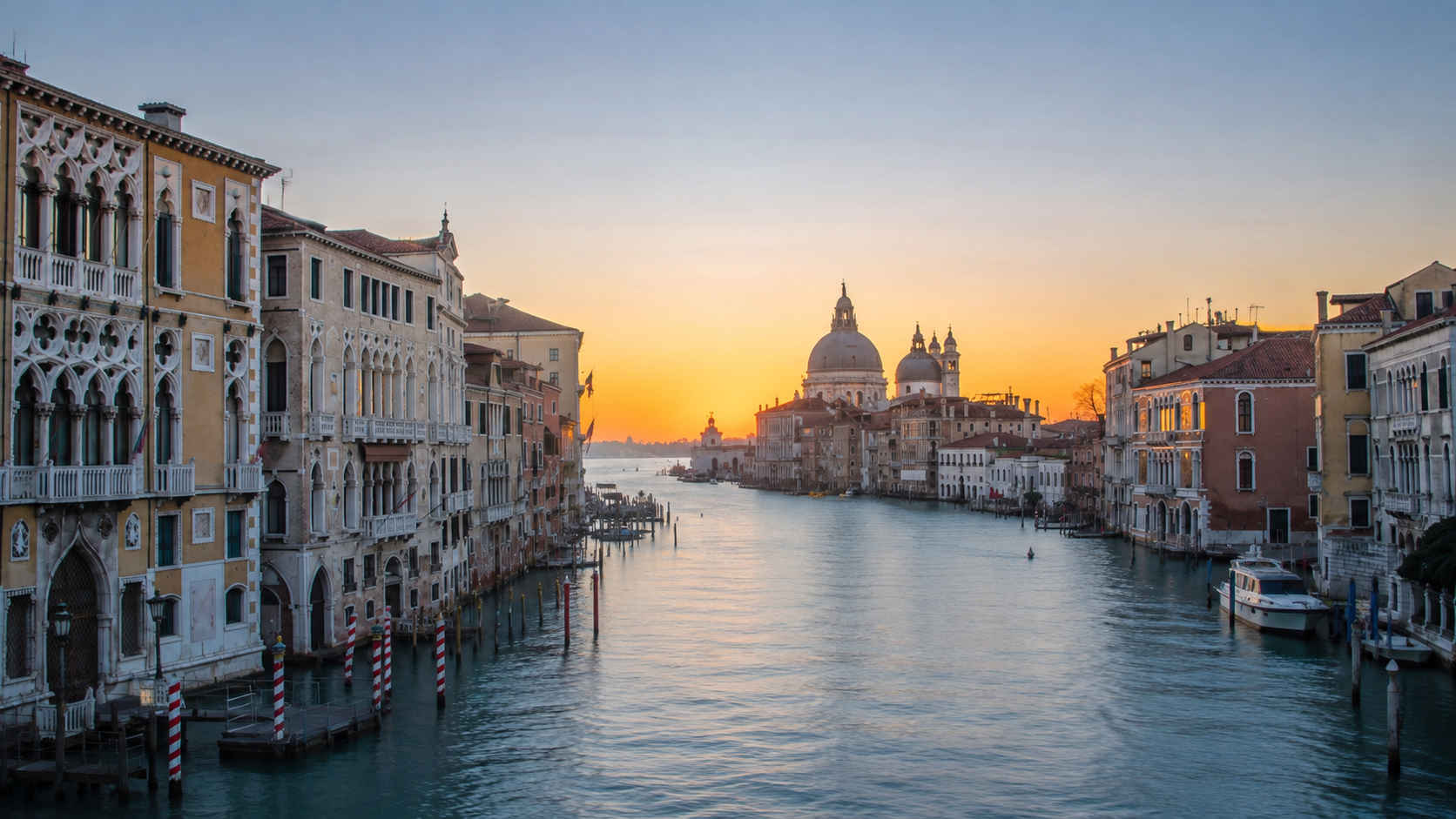
The Grand Canal, Santa Maria della Salute, water traffic, and changing dawn light
Best light
Sunrise through early morning
Timing
Arrive before the bridge becomes busy and avoid blocking pedestrian movement
Field note
Bridge vibration can affect longer exposures. Keep equipment compact and make room for residents and commuters.
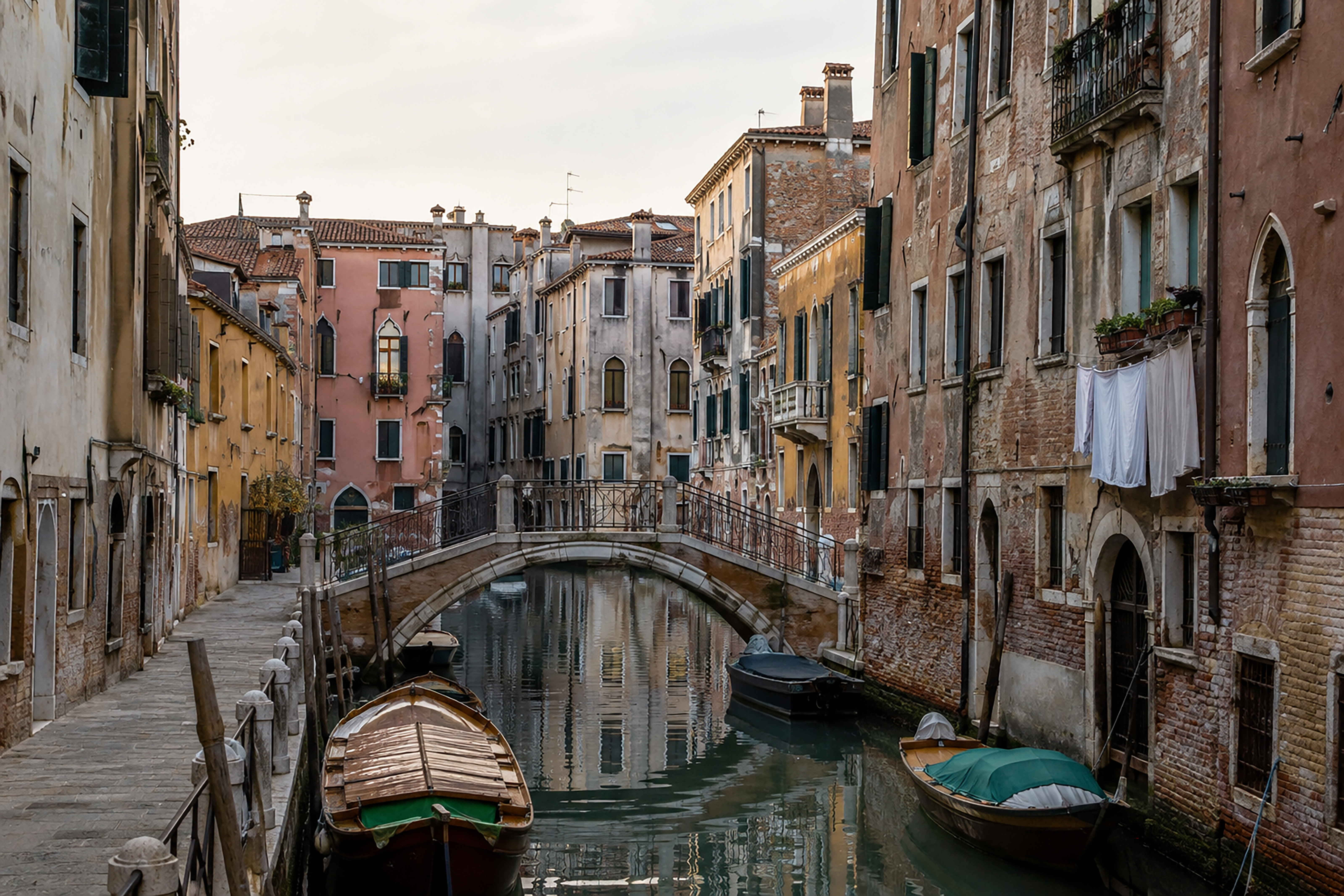
Small canals, bridges, worn facades, warm windows, and layered reflections
Best light
The period between sunset and full darkness
Timing
Scout the route during daylight, then return as interior lights begin appearing
Field note
The strongest scenes often come from ordinary residential canals rather than famous viewpoints.
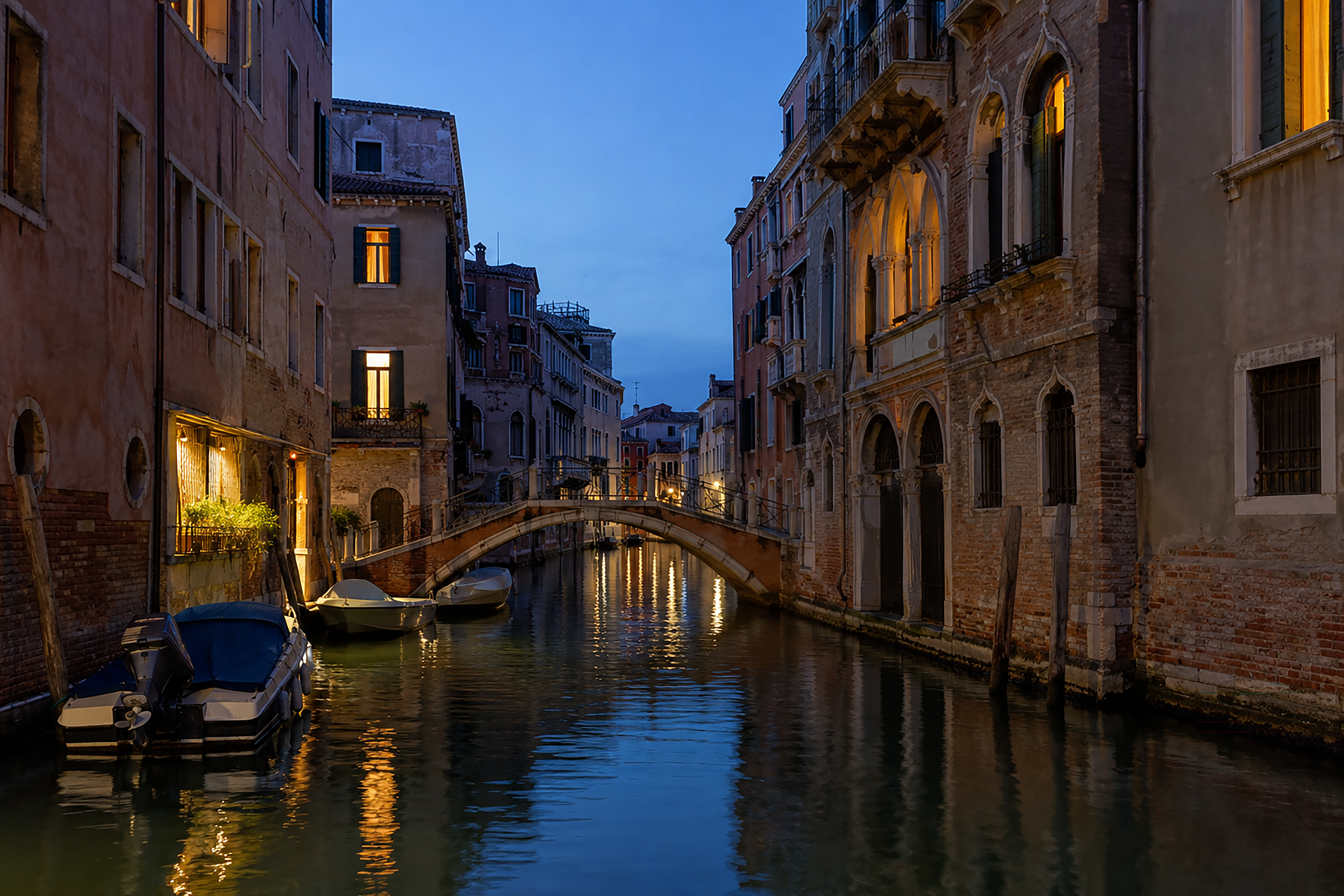
Open lagoon water, cemetery and northern islands, boats, mist, and distant weather
Best light
Morning or late afternoon
Timing
Use the waterfront before boarding for Murano or the northern lagoon
Field note
Let open water occupy the frame. The visual character here comes from distance rather than architectural density.
Visual Guide
Color, fishing boats, domestic details, canals, and early neighborhood activity
Best light
Early morning
Timing
Photograph before the first major arrivals from central Venice
Field note
Avoid treating homes as props. Keep respectful distance from doors, windows, laundry, and residents.
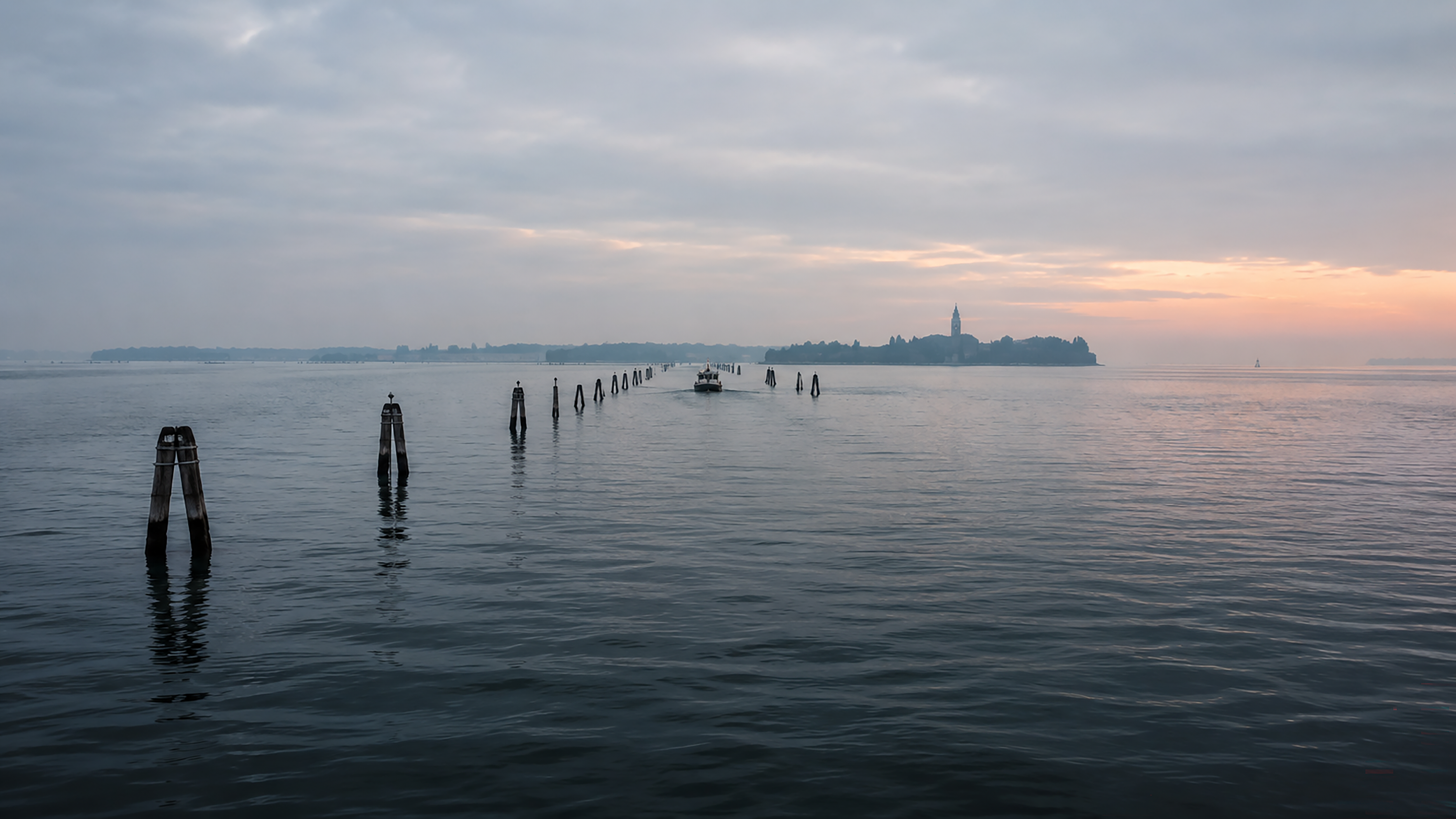
Vineyards, low islands, navigation posts, water, and the final light of day
Best light
Late afternoon through dusk
Timing
Walk the lagoon edge after day visitors have begun returning to Venice
Field note
Use the low horizon and open water to contrast with the compressed architecture of the historic center.
Signature Experiences
Cross the Grand Canal before Venice fully wakes
See Piazza San Marco early, then leave before the main daytime crowds arrive
Understand Venice through the geography of its lagoon
Use the vaporetto as part of the experience rather than only as transportation
Spend time with Venetian art beyond the most famous collections
Visit active craft workshops with attention to authenticity and working conditions
Remain in Burano and Mazzorbo after the day-trip rhythm subsides
Allow weather, tides, and reflected light to change the plan
A route that treats canals, islands, and water transport as the structure of the journey.
Early mornings, blue hour, reflected light, and changing weather built into the daily pace.
Art, architecture, food, glass, boats, and neighborhood life understood as parts of a living city.
ÉTO Perspective
Venice becomes more convincing when you stop trying to see all of it. The city reveals itself through repetition: the same canal in different light, the same crossing at another hour, and the gradual recognition that water is not the scenery around Venice. It is the condition that created it.
From the Éto Journal
Read the strategy, context, and travel judgment that shaped this route.

Travel Strategy · 10 min read
Where you stay determines what is outside your door, how much time you spend in transit, where you eat, what you discover, and how a destination feels. Choose the neighborhood first, then find the hotel that belongs there.
Read the story
Travel Strategy · 9 min read
Driving, flying, and rail each change the shape of a journey. The better question is not simply which is fastest, but which gives you the most worthwhile trip.
Read the storyMake It Your Own
Use the Planner to customize the route around your dates, budget, pace, preferences, and travel style.