01
3 Nights
Tokyo
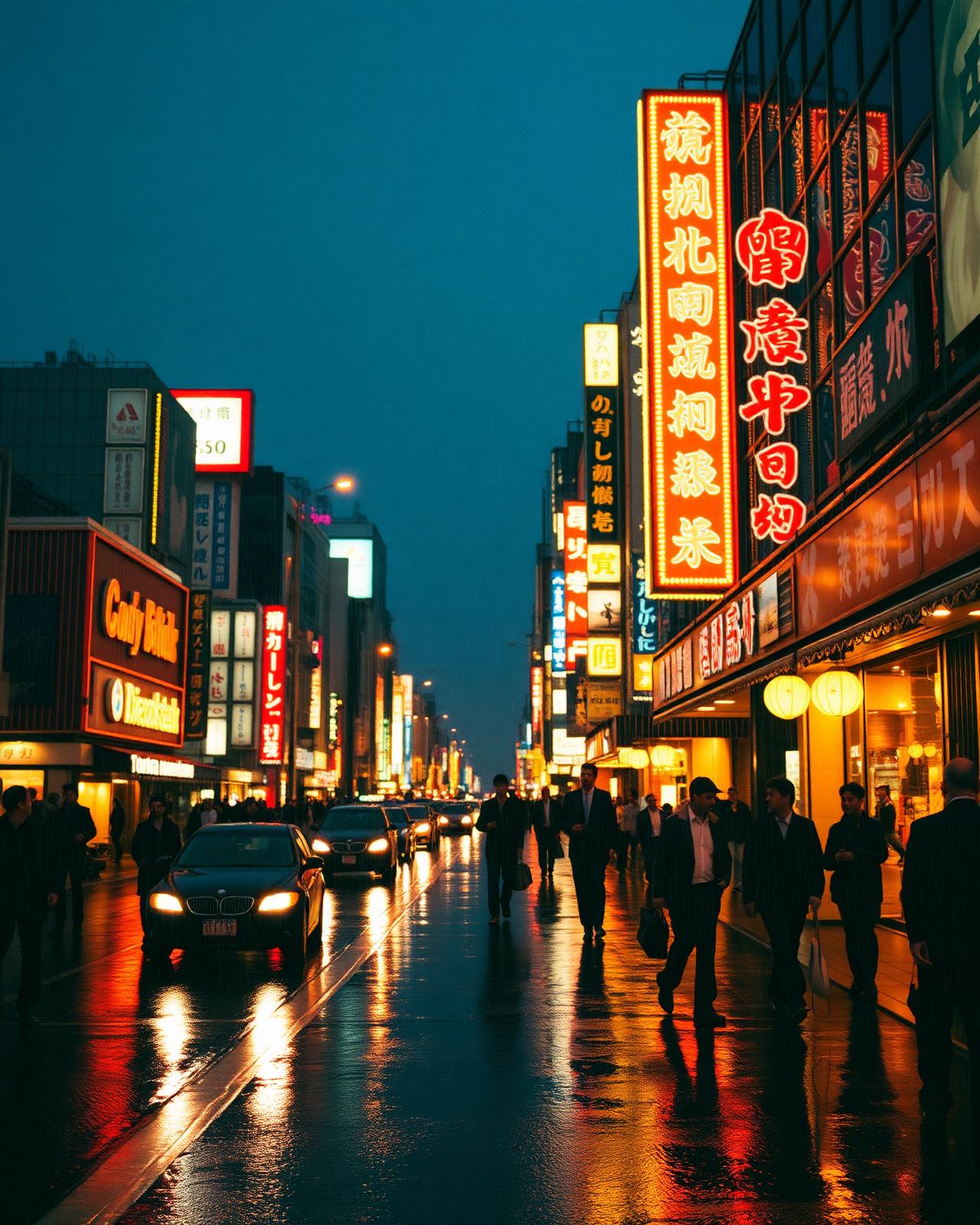
Begin with urban rivers, neighborhood parks, early-morning temple grounds, food districts, and several bloom locations that allow the plan to adapt to current conditions.
Explore the Tokyo guide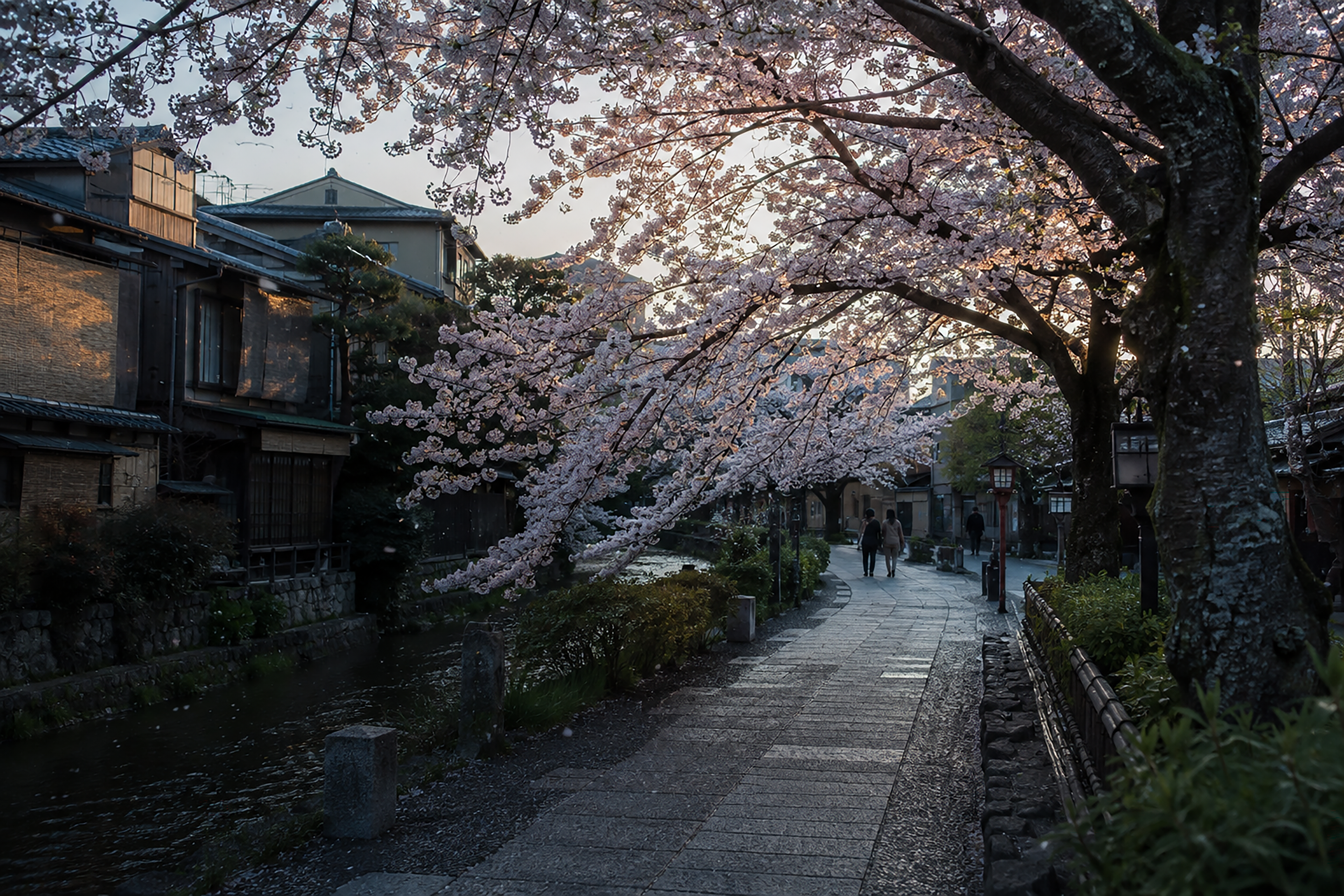
ÉTO Signature Journey
Follow spring through cities, temple gardens, lake country, and historic streets while leaving room for the season to change the plan.
Trip Length
10–14 days
Best Time
Late March–mid April, with exact timing dependent on region, elevation, variety, and weather
Pace
Moderate
Style
Seasonal cultural journey
Why This Journey
Cherry blossom travel rewards preparation, but it punishes rigidity. Forecasts shift, rain shortens some blooms, cool weather preserves others, and the most famous locations can become crowded before breakfast. This journey connects Tokyo, Kawaguchiko, Kyoto, Nara, and Himeji while preserving enough flexibility to follow current conditions. The goal is not to collect identical blossom photographs. It is to experience how spring changes parks, neighborhoods, food, light, and daily life across Japan.
The Route
01
3 Nights
Begin with urban rivers, neighborhood parks, early-morning temple grounds, food districts, and several bloom locations that allow the plan to adapt to current conditions.
Explore the Tokyo guide02
2 Nights
Use the lake region for weather-dependent Fuji views, open landscapes, and a slower interval between Japan's largest cities.
03
3 Nights
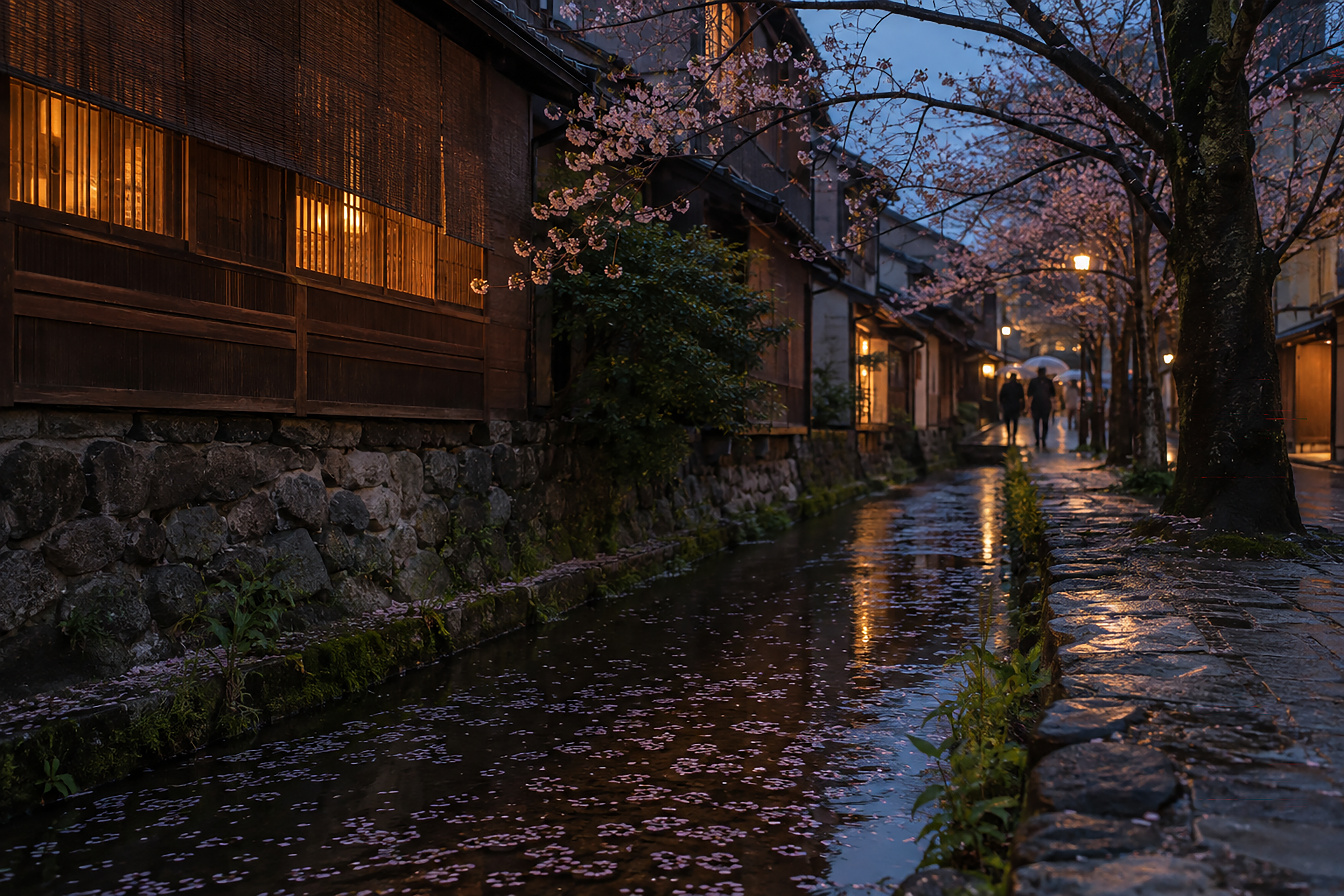
Plan early temple gardens, canal walks, historic neighborhoods, seasonal meals, and evening routes that remain rewarding even when bloom timing varies.
Explore the Kyoto guide04
1 Night
Move through temple grounds and broad parkland, balancing major cultural sites with quieter paths beyond the busiest central areas.
05
1 Night
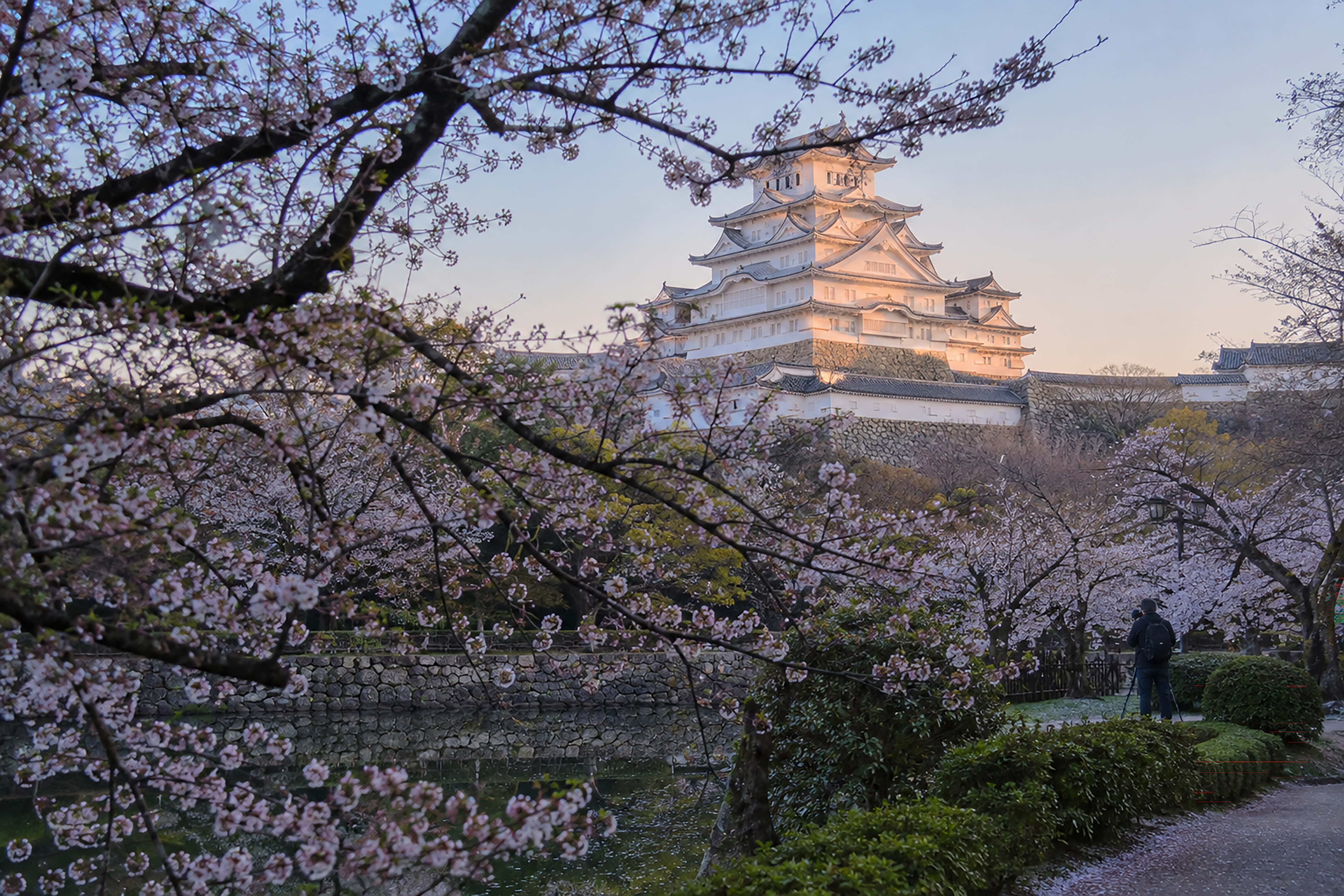
End with the contrast of pale blossoms, white castle architecture, defensive stonework, and carefully timed morning light.
Taste the Seasons
Bloom timing changes by region, elevation, variety, and weather. A successful route follows current conditions rather than depending on one fixed date or famous location.
ÉTO Preferred Window
Late March–mid April, with exact timing dependent on region, elevation, variety, and weather
Mid–late March
Anticipation
Early-flowering varieties and warmer urban locations begin the season before the main wave. Conditions are less predictable, but crowds may be lighter and the route can include plum blossoms or other spring color.
Late March–early April
Celebration
The most recognizable phase brings full canopies, active hanami gatherings, seasonal menus, and intense demand. Early starts and alternate locations become essential.
Early–mid April
Reflection
Petals begin to gather on paths, canals, and water. Some locations become quieter while cooler regions and higher elevations may still be approaching full bloom.
Landscape Photography & Fieldcraft
Weather, light, wind, cloud, water, scale, and changing road conditions shape the strongest images. Slow down, scout carefully, return when the light changes, and treat the landscape with respect.
Visual Guide
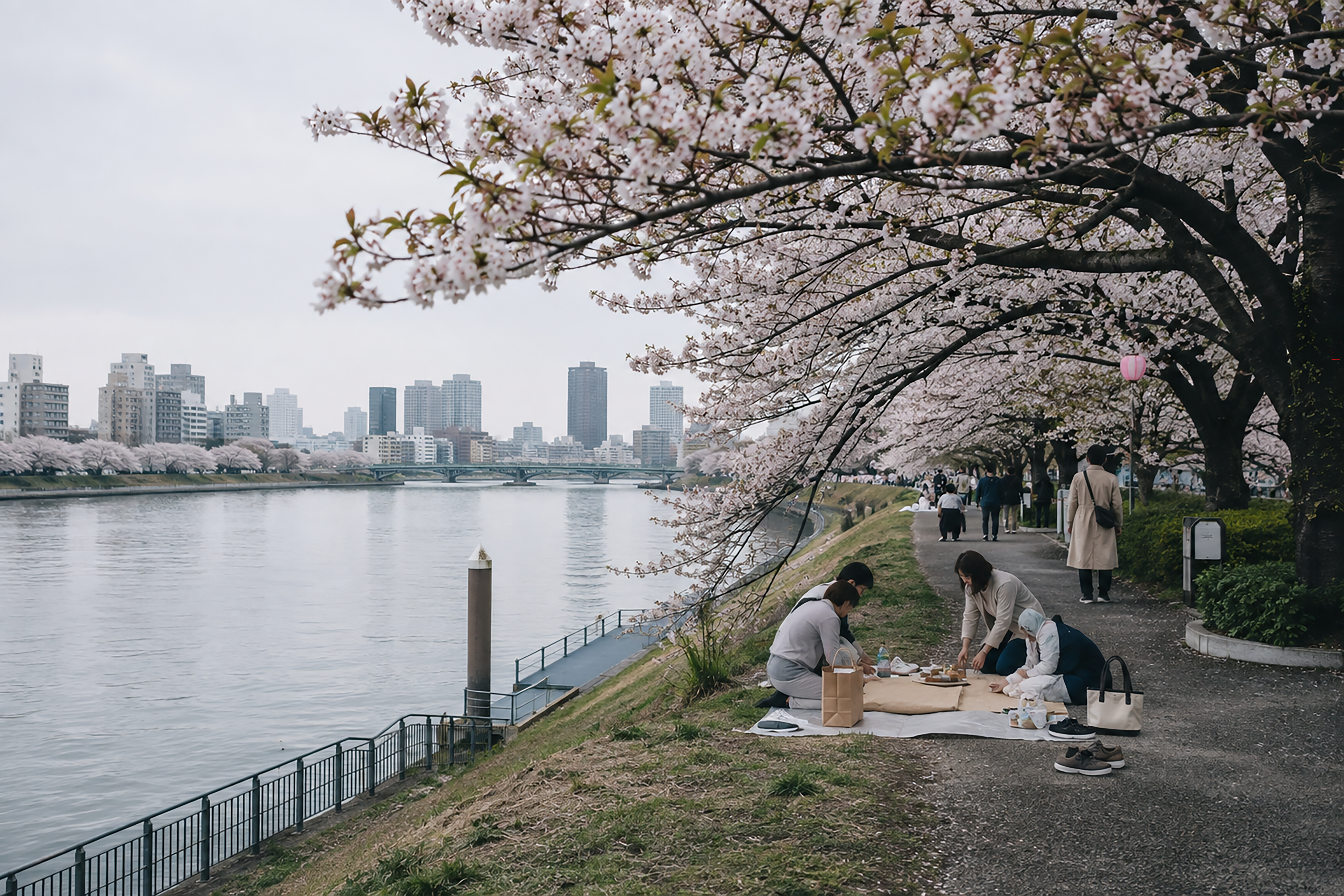
Cherry canopies, river paths, local gatherings, bridges, and the contrast between seasonal nature and the modern city.
Best light
Soft early morning or bright overcast conditions that preserve detail in pale blossoms.
Timing
Arrive shortly after sunrise, before picnic areas and primary walking routes become crowded.
Field note
Include the social setting and urban context rather than isolating every blossom from the city around it.
Visual Guide
Mount Fuji, lake edges, changing cloud, wet paths, and blossoms used as a restrained foreground layer.
Best light
Early morning after a weather change, when cloud may briefly reveal the mountain.
Timing
Keep two mornings available and treat a clear view as an opportunity rather than a guarantee.
Field note
Avoid building the entire visit around one famous composition. Shoreline position, wind, and cloud often matter more than the landmark viewpoint.
Visual Guide
Petals on water, wooden facades, stone paths, temple gates, bicycles, and the everyday life surrounding seasonal landmarks.
Best light
Dawn for quiet streets, or blue hour after rain for reflected light and deeper color.
Timing
Photograph major eastern districts early, then shift to smaller gardens and neighborhoods later in the day.
Field note
Respect photography restrictions and private streets. A quiet observation from public space is more valuable than forcing a familiar image.
Visual Guide
Temple roofs, broad lawns, old trees, lanterns, pathways, and the scale of the cultural landscape.
Best light
Morning side light or soft afternoon cloud that keeps white blossoms from losing detail.
Timing
Begin beyond the busiest entrance corridors and work back toward central sites as conditions change.
Field note
Give architecture and landscape equal weight. The strongest frames show how blossoms alter the experience of the historic setting.
Visual Guide
Castle geometry, stone walls, moat edges, layered branches, and visitors moving through the outer grounds.
Best light
First light on the castle walls, with cooler shadow retained in the gardens and fortifications.
Timing
Arrive before opening time to work the outer grounds, then enter early for elevated views and architectural detail.
Field note
Use branches to create depth without obscuring the castle. Leave room for the defensive landscape rather than reducing Himeji to a blossom backdrop.
Signature Experiences
A flexible Tokyo bloom plan built around several neighborhoods rather than one famous park
Weather-dependent Fuji views and lakeside cherry trees near Kawaguchiko
Kyoto temple gardens and canals before the heaviest daytime crowds
Seasonal sweets, spring menus, and the social traditions surrounding hanami
Himeji Castle in early light with time to explore beyond the primary viewpoint
A route that can adjust as forecasts and local conditions change
5 carefully chosen stops with room to adjust around current bloom conditions.
5 photography settings planned around time of day, weather, and crowd patterns.
10 practical notes for forecasts, reservations, timing, and route flexibility.
ÉTO Perspective
Cherry blossom season is often sold as a single perfect week. In practice, it is a moving sequence shaped by weather, geography, and attention. The strongest journey does not chase certainty. It creates enough structure to move well and enough freedom to notice what spring is actually doing.
Destination Guides
Explore practical guidance, seasonal context, neighborhoods, stays, and the tradeoffs that shape a better journey.
Make It Your Own
Use the Planner to customize the route around your dates, budget, pace, preferences, and travel style.