01
4 Nights
Tokyo
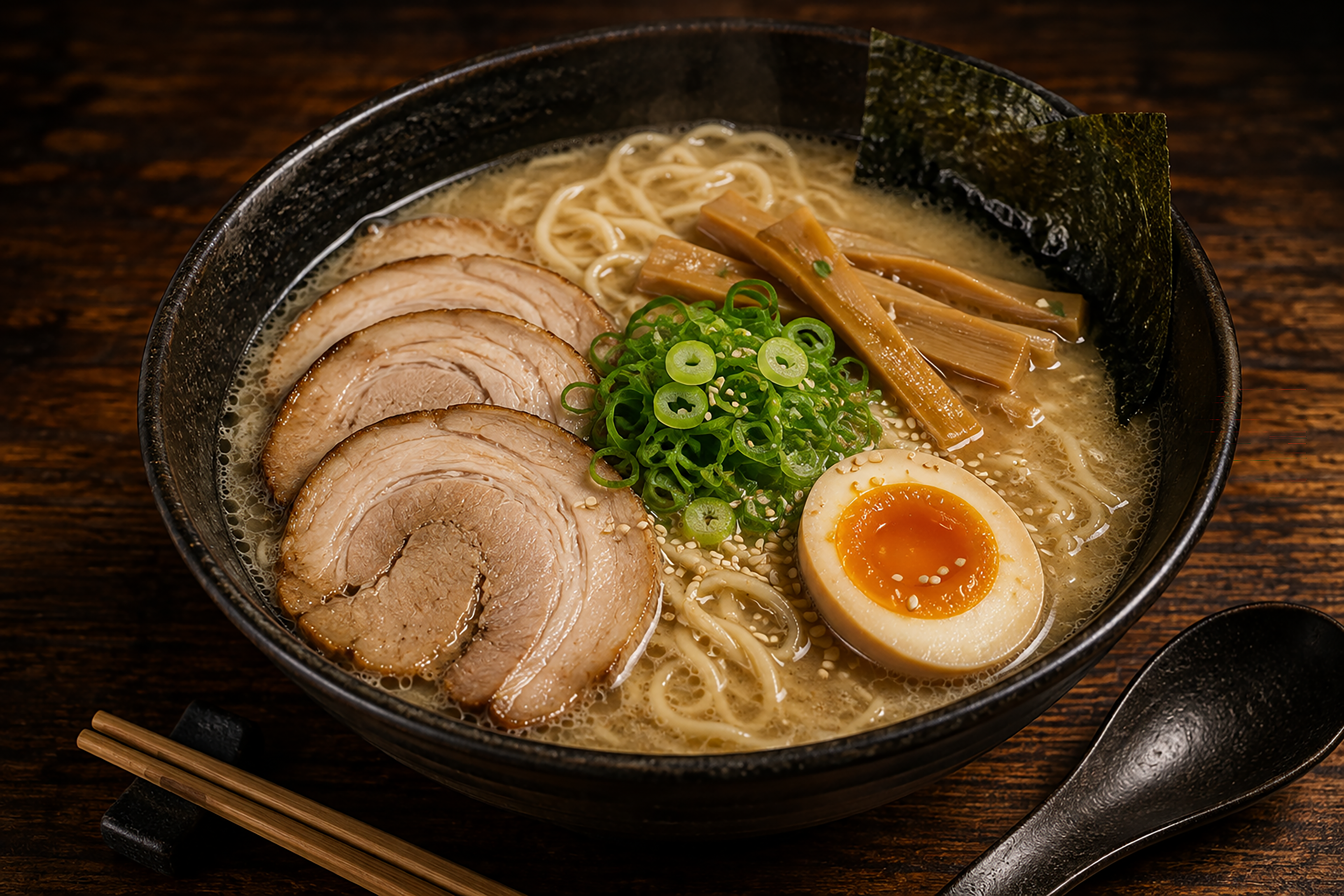
Sushi counters, ramen, Tsukiji, cocktail bars, and neighborhood food culture.
Explore the Tokyo guide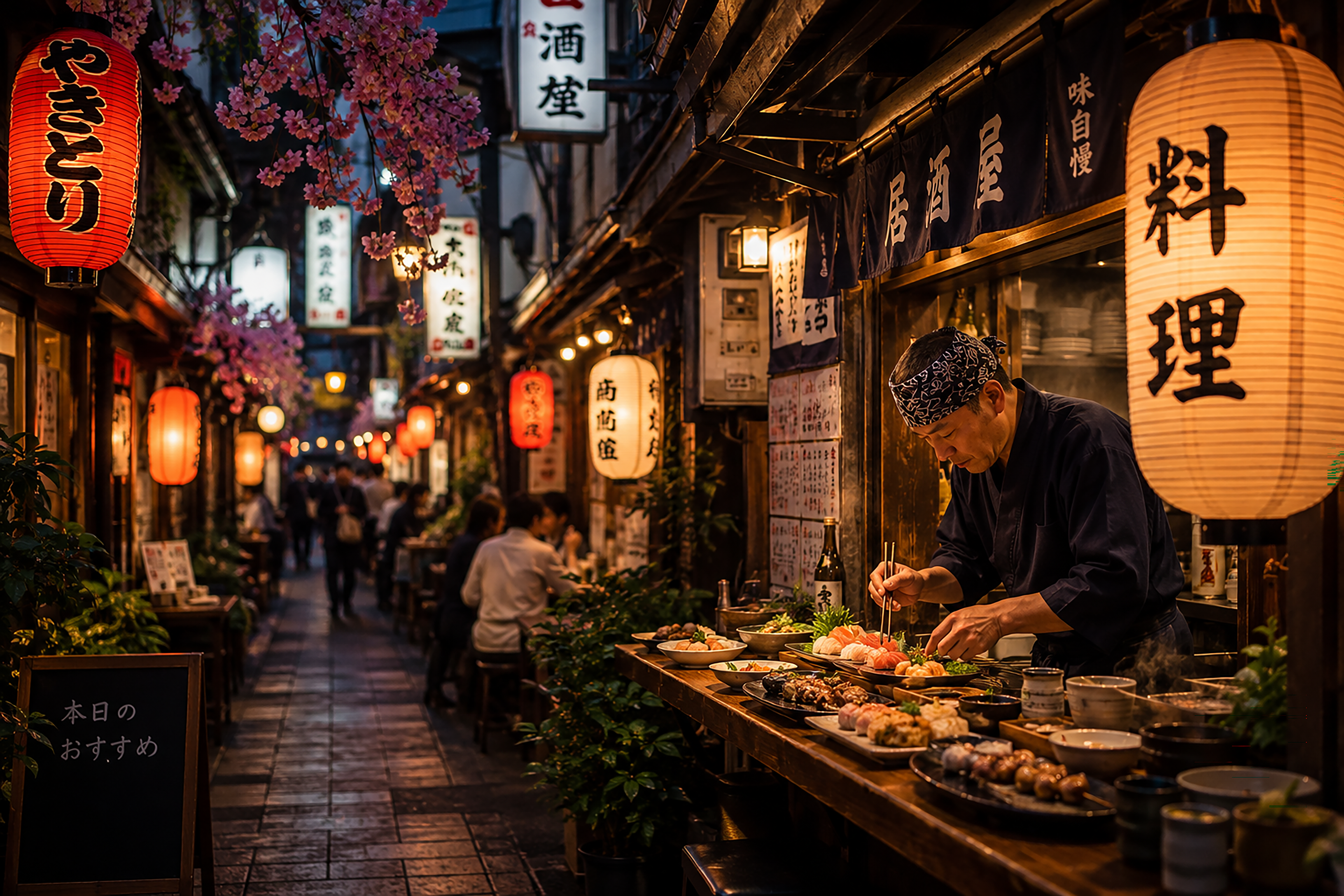
ÉTO Signature Journey
A culinary journey through Tokyo, Kanazawa, Kyoto, Osaka, and Japan's regional traditions.
Trip Length
12 Days
Best Time
March–May • October–November
Pace
Balanced
Style
Luxury
Why This Journey
Experience Japan through its regional cuisine, markets, street food, kaiseki dining, tea culture, and centuries-old culinary traditions.
The Route
01
4 Nights
Sushi counters, ramen, Tsukiji, cocktail bars, and neighborhood food culture.
Explore the Tokyo guide02
2 Nights
Seafood markets, gold leaf traditions, and refined regional cuisine.
03
3 Nights
04
3 Nights
Street food capital of Japan with takoyaki, okonomiyaki, and vibrant nightlife.
Taste the Seasons
Ingredients, ceramics, presentation, festivals, weather, and even color palettes shift through the year. Choosing when to travel changes what Japan tastes like.
ÉTO Preferred Window
March–May • October–November
March — May
Delicate, fresh, fleeting
Cherry blossoms reshape the visual character of Japan while menus turn toward tender mountain vegetables, bamboo shoots, strawberries, and seasonal sweets.
June — August
Bright, cooling, energetic
Summer dining responds to heat with chilled noodles, river fish, shaved ice, festival food, cold tea, and long evenings in lively neighborhoods.
September — November
Earthy, aromatic, abundant
Perhaps Japan's richest culinary season: mushrooms, chestnuts, persimmons, new rice, Pacific saury, and autumn foliage arrive together.
December — February
Deep, warming, intimate
Cold weather shifts the table toward snow crab, oysters, hot pot, oden, winter citrus, warm sake, and long meals indoors.
Culinary Culture
This journey goes beyond restaurant reservations. Markets, tea traditions, craftspeople, neighborhood dining, regional ingredients, and shared rituals reveal how food connects Japanese history, geography, aesthetics, and hospitality.
Begin early with seafood culture, specialist vendors, kitchen tools, prepared foods, and the daily rhythm of one of the world’s great food cities.
Planning note
Verify current visitor access, auction rules, opening hours, and market closures before scheduling.
Experience informal Japanese dining through small plates, grilled dishes, drinks, conversation, and the social culture of neighborhood restaurants.
Planning note
Smaller establishments may have limited English service, cash-only policies, or table charges.
Explore seasonal seafood, local produce, prepared foods, and the culinary identity of the Hokuriku region.
Planning note
Visit earlier in the day, when vendors are active and seafood selection is strongest.
Learn how regional water, rice, fermentation, and climate influence sake production and flavor.
Planning note
Arrange transportation in advance when visiting producers outside the city center.
Experience a carefully sequenced meal in which ingredients, ceramics, presentation, architecture, and seasonality form a unified cultural expression.
Planning note
Reserve well in advance and communicate dietary restrictions before the restaurant begins planning the menu.
Explore the relationship between tea, traditional sweets, utensils, silence, movement, architecture, and Japanese hospitality.
Planning note
Choose a host who provides cultural interpretation rather than only a staged demonstration.
Discover shojin ryori, a Buddhist culinary tradition built around restraint, seasonality, plant-based ingredients, and careful preparation.
Taste takoyaki, okonomiyaki, kushikatsu, and other foods connected to Osaka’s energetic, informal dining culture.
Planning note
Avoid trying to cover too many stops. Choose a few specialists and leave room for spontaneous discoveries.
Prepare a regional dish with guidance on ingredients, technique, seasoning, and the cultural context behind the meal.
Culinary Etiquette
Thoughtful dining is not only about what you eat. It also includes timing, communication, photography, respect for the space, and awareness of the work behind each meal.
Regional Food Atlas
Geography, history, agriculture, and access to the sea shape what appears on the table. Follow the route and the cuisine changes with it.
Stop 01
Tokyo rewards curiosity at every scale, from formal sushi counters to station food halls, neighborhood ramen shops, and late-night yakitori.
Stop 02
Kanazawa combines exceptional seafood with refined regional traditions shaped by the former Kaga domain and nearby agricultural communities.
Stop 03
Kyoto's cuisine is deeply seasonal and closely tied to tea, temple culture, ceremony, and an exacting sense of presentation.
Stop 04
Osaka is informal, energetic, and proudly food-obsessed, with a culture built around bold flavors, street stalls, and convivial dining.
Stay & Eat Like a Local
Where you stay changes how you experience a city. These neighborhoods connect food, atmosphere, photography, and accommodations into a more natural daily rhythm.
Local Guide
Neighborhood
A polished historic-commercial district where long-established food shops, department halls, modern design, and old Tokyo traditions overlap.
Early morning streets and quieter side lanes reveal a strong contrast between traditional storefronts and contemporary Tokyo.
Neighborhood
A lively historic district of temple approaches, old shops, street snacks, lanterns, and dense neighborhood activity.
Visit before breakfast for softer light, fewer crowds, shutters opening, and local morning routines.
Eat
Sushi
A compact Toyosu Market counter known for traditional Edomae sushi and the energy of an early market morning.
Contemporary Japanese
Playful, deeply personal Japanese cuisine shaped by seasonality, hospitality, and contemporary presentation.
Stay
Luxury Hotel | Toranomon
A refined contemporary base with skyline views, strong design, excellent dining, and convenient access to central Tokyo.
Boutique Hotel | Nihonbashi
A small design-led hotel inside a restored bank building, well suited to travelers who value architecture, atmosphere, and neighborhood character.
Local Guide
Neighborhood
A compact, practical neighborhood centered on Kanazawa’s major market and within easy reach of the city’s historic districts.
Photograph respectfully during active market hours and avoid obstructing vendors or customers.
Neighborhood
A preserved tea district of wooden facades, narrow streets, traditional craft shops, and atmospheric evening light.
Early morning and blue hour are best for architectural photography without heavy foot traffic.
Eat
Izakaya
A welcoming regional izakaya serving seafood, seasonal vegetables, charcoal-grilled dishes, and local sake.
Sushi
An intimate, family-run sushi restaurant valued for fresh local seafood and an unpretentious atmosphere.
Stay
Historic Ryokan | Central Kanazawa
A highly traditional stay centered on hospitality, seasonal cuisine, and a quiet sense of continuity with Kanazawa’s cultural history.
Modern Boutique | Omicho Market
A calm contemporary hotel near Omicho Market, ideal for travelers who want easy access to the city’s food culture and historic districts.
Local Guide
Neighborhood
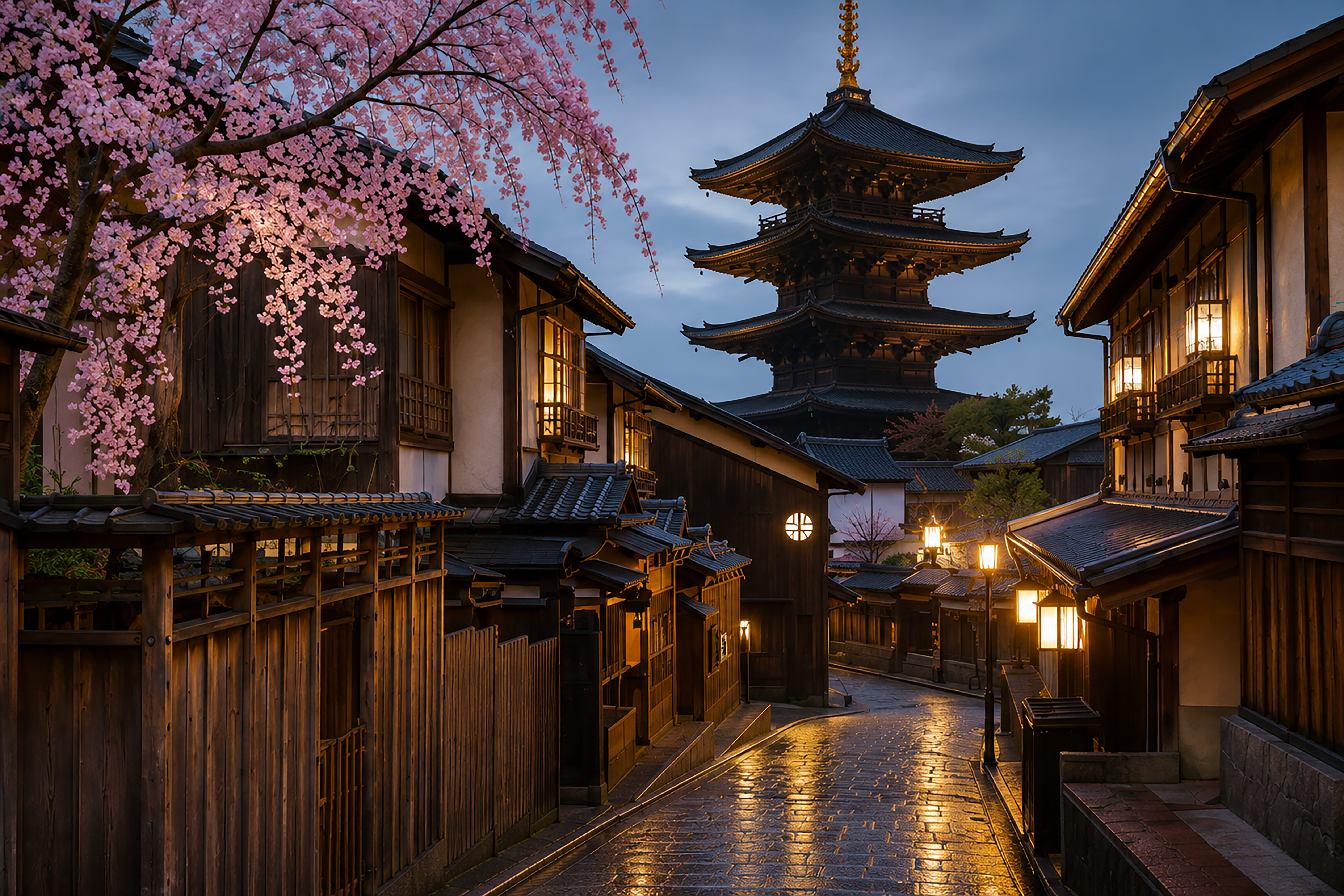
Lantern-lit lanes, machiya architecture, tea houses, quiet canals, and some of Kyoto’s most atmospheric evening streets.
Keep photography unobtrusive, respect private lanes, and never pursue or crowd working geiko or maiko.
Neighborhood
A central district combining the historic market, department stores, cafés, modern dining, and easy transit.
The market becomes crowded quickly; early visits are better for details, shopfronts, and ingredient photography.
Eat
Kaiseki
A celebrated expression of Kyoto kaiseki, connecting seasonal ingredients, tableware, architecture, and ritual.
Udon
Thick udon noodles served with vegetables, sesame, and broth near the Philosopher’s Path.
Stay
Luxury Ryokan | Arashiyama
A secluded riverside retreat reached by boat, combining refined hospitality, seasonal dining, and a strong sense of place.
Luxury Boutique | Gion
An intimate design-focused hotel near the Shirakawa canal, balancing contemporary art, discreet service, and access to historic Kyoto.
Local Guide
Neighborhood
Bright, crowded, loud, and energetic, Osaka’s most recognizable district brings together street food, illuminated signs, canals, and nightlife.
Blue hour through late evening produces the strongest reflections, signage, and street atmosphere.
Neighborhood
A more local-feeling dining district with casual counters, covered shopping streets, bars, and neighborhood restaurants.
Use a small camera and ask before photographing inside compact bars or counters.
Eat
Okonomiyaki
A long-running Dotonbori favorite for Osaka-style okonomiyaki prepared directly at the counter.
Kushikatsu
A casual introduction to Osaka’s famous skewered and fried kushikatsu tradition.
Stay
Boutique Hotel | Dojima
A polished, relaxed hotel with modern interiors and convenient access to dining, nightlife, and central transport links.
Central City Hotel | Shinsaibashi
A practical and energetic base close to Dotonbori, ideal for travelers who want immediate access to Osaka’s street food and evening atmosphere.
Food Photography & Visual Storytelling
Markets, preparation, tools, architecture, signs, hands, steam, and evening streets often tell a richer story than a perfectly composed dish. Photograph with restraint and respect.
Visual Guide
Seafood displays, vendors, preparation details, movement, and the visual rhythm of a working market.
Best light
Early morning interior light mixed with cool daylight near entrances.
Timing
Arrive near opening and verify visitor access before the market becomes crowded.
Field note
Use a small camera, stay clear of workers, and avoid photographing people at close range without permission.
Izakaya entrances, steam, signs, narrow passages, diners, and warm pools of light.
Best light
Blue hour through late evening, when ambient sky and lantern light balance.
Timing
Begin just before sunset, then continue as restaurants open and streets become active.
Field note
Keep equipment compact and do not block narrow lanes or restaurant entrances.
Visual Guide
Shellfish, fish, produce, handwritten signs, knives, baskets, and regional ingredients.
Best light
Soft morning light near open storefronts and covered market entrances.
Timing
Earlier visits offer stronger market activity and fewer tour groups.
Field note
Ask before photographing vendors directly and avoid slowing active transactions.
Wooden facades, tea houses, narrow lanes, lanterns, and architectural details.
Best light
Blue hour, when the sky retains color and warm interior lights begin to appear.
Timing
Scout in daylight and return shortly after sunset.
Field note
A short lens is often more useful than a tripod in the narrow streets.
Visual Guide
Pickles, sweets, seafood, tea, tofu, cookware, and densely layered shopfronts.
Best light
Early morning before the market becomes crowded and overhead lighting dominates.
Timing
Visit soon after opening for cleaner compositions and more space to work.
Field note
Photography rules vary by shop. Buy something when appropriate and ask before making close-up images.
Ceramics, utensils, steam, seasonal garnish, hands, and carefully composed dishes.
Best light
Soft window light or restrained interior light without flash.
Timing
Photograph only when the host or restaurant permits it, and do so quickly.
Field note
Avoid interrupting the sequence of service. The experience matters more than documenting every course.
Lantern reflections, machiya facades, umbrellas, canals, and evening streets.
Best light
Blue hour and early night, especially after light rain.
Timing
Walk quieter side streets rather than crowding the most photographed lanes.
Field note
Respect private property and never pursue or obstruct geiko or maiko.
Visual Guide
Neon signs, canal reflections, takoyaki stalls, steam, crowds, and movement.
Best light
Blue hour through late evening.
Timing
Start from the canal at dusk, then move into side streets once the main corridor becomes crowded.
Field note
A fast prime lens and higher ISO are more practical than a tripod in busy pedestrian areas.
Compact bars, grills, chefs at work, plates, hands, and intimate neighborhood dining.
Best light
Warm interior light balanced with ambient street light.
Timing
Early evening, when counters are active but not yet packed.
Field note
Ask before photographing inside small venues and prioritize conversation over image-making.
Signature Experiences
Michelin restaurants
Hidden izakaya
Tea ceremonies
Market tours
Cooking classes
8 restaurant recommendations across 4 destinations.
8 recommended stays across 4 destinations.
9 visual opportunities built into the route.
ÉTO Perspective
Do not rush from reservation to reservation. Some of the meals you remember most may be the ramen shop you found by accident, the tea house you entered because it started raining, or the sweets you bought outside a shrine. Japan rewards attention more than checklists.
Make It Your Own
Use the Planner to customize the route around your dates, budget, pace, preferences, and travel style.