Costa Rica · Central America
Costa Rica
Rainforest, volcanic landscapes, and wildlife-rich coasts.
Best time to visit
December–April for the drier Pacific season; May–November for greener landscapes and regional variation
Ideal trip length
8–10 nights for two complementary regions
Climate
Tropical · 21–32°C; rainfall and temperature vary considerably by coast and elevation
Region
Central America
Overview
A place worth knowing.
Costa Rica brings together cloud forest, tropical lowlands, volcanic landscapes, and two very different coasts within a relatively small country. That compact scale can be misleading. Roads, weather, and wildlife schedules slow the journey, so the strongest itineraries usually pair two regions rather than attempting a rapid national circuit.
Why I recommend this
Costa Rica becomes more rewarding when the route leaves room for the landscape. For a first visit, I usually begin with Arenal, then add Monteverde for cloud forest or the Osa Peninsula for a more remote wildlife-focused stay. A beach extension can work beautifully, but only when the season and transfer time justify it.
Christopher, lead advisor
Sample recommendations for demonstration purposes. Final travel plans should be customized and verified before booking.
When Costa Rica works
Choose the season that suits the trip.
Each season changes the rhythm of Costa Rica. The right time depends on the atmosphere, pace, and tradeoffs you want.
Dry season
Mid-December to April
The Pacific side generally sees its driest conditions, making this the easiest period for road travel, beaches, and first-time itineraries. It is also the highest-demand season, so popular eco-lodges, vehicles, and guided experiences should be secured early.
Early green season
May to June
Rain returns, landscapes deepen in color, and visitor numbers often ease. Mornings can remain productive for wildlife and outdoor activities, with rain more likely later in the day. Road and trail conditions deserve more attention.
Midyear
July to August
Conditions vary considerably by region, with a possible midyear reduction in rainfall in some areas. This period can work well for families and wildlife-focused travel, but the itinerary should follow regional forecasts rather than a single national weather assumption.
Late green season
September to November
The Pacific side can become significantly wetter, especially in the south, while parts of the Caribbean may experience comparatively drier windows in September and October. Choose the region first, then judge the season.
Before you go
The details that shape the trip.
- Arrival
- Most international travelers arrive through Juan Santamaría Airport near San José or Guanacaste Airport near Liberia. Either can support an Arenal itinerary, while the best gateway for a broader trip depends on the regions being combined.
- Local transport
- Private transfers are the least demanding option for a multi-stop trip. A rental car provides greater independence, but drive times can be longer than the map suggests and conditions vary by route and season. Avoid stacking long transfers with major activities.
- Payment
- The Costa Rican colón is the national currency, while U.S. dollars and major credit cards are widely accepted. Carry some colones for small businesses, roadside stops, local markets, and situations where card service is unavailable.
- Language
- Spanish is the national language and English is common across much of the tourism industry. Basic Spanish greetings are useful in smaller communities and help create warmer interactions beyond hotels and organized tours.
- Book ahead
- Reserve sought-after eco-lodges, naturalist guides, private transfers, rental vehicles, and national park entries well ahead during the dry season. Wildlife-dependent experiences should be planned around region and timing, not treated as guaranteed sightings.
Costa Rica by time
What can you realistically experience?
More time creates more range, but a shorter visit can still feel complete when the geography and priorities are clear.
24 hours
Too short for a meaningful circuit
One day is not enough to combine the airport corridor with Arenal, Monteverde, or the coast responsibly. If already in La Fortuna, use the time for one guided nature experience and a hot-spring evening. Otherwise, stay close to the arrival region.
48 hours
Choose Arenal and stay there
Two days can support an Arenal introduction with a guided forest or volcano walk, time around La Fortuna, and one unhurried thermal experience. Adding Monteverde or a distant coast would turn most of the trip into transportation.
72 hours
Arenal with room to observe
Three days allow Arenal to work as more than a stopover. Build around an early wildlife walk, a volcano or waterfall day, and a slower experience shaped by hot springs, local food, birding, or a nearby reserve.
Where to Stay
Recommended neighborhoods.
La Fortuna and Arenal
An accessible base for forest walks, volcanic landscapes, thermal springs, and guided wildlife experiences.
Monteverde
A cooler highland region shaped by cloud forest, birding, conservation, and winding mountain roads.
Osa Peninsula
A remote Pacific region for travelers willing to invest more time in rainforest and wildlife.
Nicoya Peninsula
A varied Pacific coast of surf towns, quieter beaches, dry forest, and longer overland transfers.
Hotels
Stays by category.
Budget
Hotel Secreto La Fortuna
La Fortuna
A small, walkable hotel with gardens and a pool near the center of town.
Mid-Range
Arenal Manoa Hot Springs Resort
Arenal
A spacious resort set among tropical gardens, with thermal pools and views toward the volcano.
Boutique
Senda Monteverde
Monteverde
A contemporary mountain lodge with access to the neighboring Aguti Wildlife Reserve.
Luxury
Lapa Rios Lodge
Osa Peninsula
A remote rainforest lodge within a private reserve overlooking the Golfo Dulce.
Sample recommendations for demonstration purposes. Final travel plans should be customized and verified before booking.
Top Attractions
- Monteverde's cloud forest reserves with a local naturalist guide
- Corcovado National Park through an authorized guided visit arranged in advance
- Arenal's forest and former lava-flow trails when conditions permit
- Manuel Antonio National Park with timed entry and an early start
- Tortuguero's canals and seasonal turtle programs with responsible local operators
Hidden Gems
- San Gerardo de Dota for highland forest, cooler temperatures, and focused birding
- Cahuita for Caribbean culture, coastal forest, and a different rhythm from the Pacific
- Tenorio Volcano National Park for forest trails and the color of Río Celeste
- The southern Nicoya Peninsula beyond its busiest surf centers
Food Recommendations
- A traditional casado at a locally run soda for a practical introduction to everyday Costa Rican cooking
- Gallo pinto with eggs, fruit, and tortillas for a typical breakfast
- Caribbean-influenced rice and beans prepared with coconut milk around Limón and the southern Caribbean
- Don Rufino in La Fortuna for a more contemporary interpretation of Costa Rican ingredients
Coffee Recommendations
- Café Monteverde for a producer-led look at coffee cultivation in the highlands
- A small coffee farm visit scheduled as a primary experience rather than fitted between long transfers
- Cafeoteca in San José for a broader introduction to Costa Rican growing regions
- A combined coffee, cacao, or sugarcane tour when the guide and agricultural setting are central to the experience
Photography Spots
- Forest birds in Monteverde during the quieter early hours
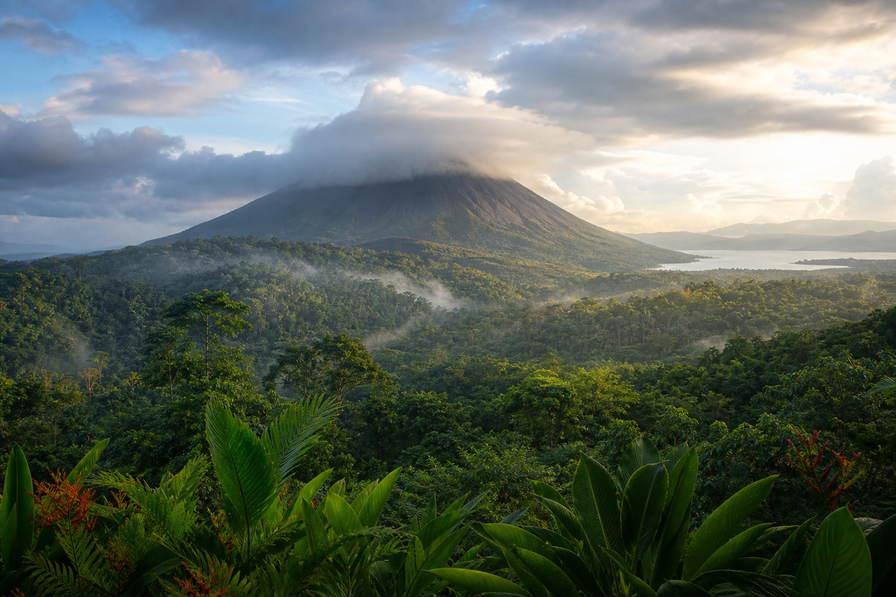
- Arenal when morning cloud briefly lifts from the volcano
- Scarlet macaws crossing the forest edge on the Osa Peninsula
- The Caribbean and Pacific coasts in weather that reflects their distinct seasons
Cultural Etiquette
- Greet people when entering a small shop, restaurant, or shared space.
- Check the bill before adding a tip because restaurants commonly include a service charge.
- Never feed, touch, or position wildlife for a photograph.
- Ask before photographing people, private property, or community activities.
Travel Responsibly
Sustainability notes.
Pura vida appears in greetings, farewells, and everyday conversation, but Costa Rican life cannot be reduced to a tourism slogan. Regional identity, family life, agriculture, conservation, and migration all shape the country. A slower itinerary creates more room to encounter Costa Rica beyond resorts and organized excursions.
- Use Costa Rica's CST program to evaluate lodging sustainability claims, and confirm each property's current certification directly.
A Suggested Itinerary
3 days, considered.
Sample recommendations for demonstration purposes. Final travel plans should be customized and verified before booking.
- 01
Ease into Arenal
Lodging
Tabacón Thermal Resort
MorningArrive through San José or Liberia and meet the driver for the journey to La Fortuna. The landscape changes gradually along the way, from the airport corridor to farmland and forest.AfternoonSettle into the resort without scheduling a formal excursion. An early arrival leaves time for a short walk through the grounds before the rain or evening light arrives.EveningSpend the first evening in Tabacón's thermal river and gardens, followed by dinner at the resort.DiningDinner at Tabacón after an unhurried visit to the thermal springsTransportPrearranged private transfer from the airport, with the rest of the day kept close to the resort. - 02
Walk through the rainforest
Lodging
Tabacón Thermal Resort
MorningExplore Místico Arenal Hanging Bridges with a naturalist guide. An early reservation brings cooler walking conditions and more time to notice the forest beyond the bridges themselves.AfternoonReturn to the hotel for lunch and a quiet afternoon. Revisit the thermal pools, walk through the gardens, or simply leave space for the weather to shape the day.EveningTravel into La Fortuna for dinner at Don Rufino, then return to the resort without adding another scheduled experience.DiningDon Rufino for contemporary Costa Rican cooking in downtown La FortunaTransportPrivate transfers between Tabacón, Místico, and La Fortuna. - 03
Lava fields and living forest
Lodging
Tabacón Thermal Resort
MorningWalk the Arenal 1968 trails with a guide who can place the old lava flows within the forest's continuing recovery. Select the route according to the day's weather and the traveler's mobility.AfternoonAfter lunch near La Fortuna, choose one final experience. The waterfall, a cacao visit, focused birding, or another stretch of time in the hot springs will each give the afternoon its own character.EveningReturn to the hotel for a final evening with no further agenda beyond dinner and the surrounding rainforest.DiningLunch at a local soda, followed by a flexible final dinner near the hotelTransportPrivate driver or rental car within the Arenal region.
Map-Ready Locations
Pinned on the ground.
Save these locations to your trip board. Each one includes coordinates for Google Maps, Apple Maps, or your preferred itinerary app.
Nature
Monteverde Cloud Forest Reserve
Monteverde
Arrange entry and a naturalist guide ahead during periods of high demand.
10.3010, -84.7891
Nature
Arenal Volcano
La Fortuna
Choose an established trail system and follow current access guidance.
10.4634, -84.7034
Hotel · Luxury
Lapa Rios Lodge
Osa Peninsula
Plan the lodge and its air or overland transfers as a single part of the itinerary.
8.4133, -83.3328
Spa
Tabacón Hot Springs
Arenal
Confirm current day-guest access and reserve ahead rather than relying on walk-in availability.
10.4922, -84.7159
Nature
Corcovado National Park
Osa Peninsula
Arrange park access, an authorized guide, and transportation well before arrival.
8.5396, -83.5919
Sample recommendations for demonstration purposes. Final travel plans should be customized and verified before booking.
From the Éto Journal
Go deeper.
Stories, strategies, and ideas connected to this destination.