Best time to visit
December–March for summer road trips; June–August for alpine winter travel
Ideal trip length
12–18 nights for one well-paced island or a selective two-island journey
Climate
Temperate oceanic · 5–25°C; fast-changing conditions in alpine and coastal regions
Region
Oceania
Overview
A place worth knowing.
New Zealand is best understood as a collection of distinct regions rather than a single road trip. Fiordland, the Southern Alps, the volcanic center of the North Island, and the northern coast each deserve time of their own. Driving distances can be deceptive, so a successful route usually includes fewer bases and longer stays.
Why I recommend this
Choose the island that best matches the trip. The South Island suits travelers prioritizing alpine landscapes, hiking, and scenic drives. The North Island brings together Māori cultural experiences, geothermal landscapes, cities, vineyards, and warmer northern coasts. Combining both works best when the schedule allows meaningful time in each.
Christopher, lead advisor
Sample recommendations for demonstration purposes. Final travel plans should be customized and verified before booking.
When New Zealand works
Choose the season that suits the trip.
Each season changes the rhythm of New Zealand. The right time depends on the atmosphere, pace, and tradeoffs you want.
Summer
December to February
Warm weather and long daylight make summer the easiest season for road trips, hiking, beaches, and alpine landscapes. It is also the busiest period, especially around Christmas and January holidays, so vehicles, lodging, ferries, and major experiences need early planning.
Autumn
March to May
Early autumn retains useful daylight and generally settled conditions while peak-summer demand begins to ease. March is particularly strong for a South Island road trip, while later autumn brings cooler nights and greater weather variability.
Winter
June to August
Winter suits skiing, alpine scenery, quieter cities, and a more atmospheric South Island trip. Snow, ice, road closures, and limited daylight change driving expectations, while the North Island generally remains milder and wetter.
Spring
September to November
Spring brings waterfalls, new growth, snow still visible on the ranges, and fewer visitors than summer. Conditions can shift quickly, so hiking and driving plans should retain alternatives, particularly around alpine passes and Fiordland.
Before you go
The details that shape the trip.
- Arrival
- Auckland is the primary international gateway, with additional international services through cities including Christchurch, Wellington, and Queenstown. Choose the arrival airport around the island and region you actually intend to explore rather than automatically beginning in Auckland.
- Local transport
- Self-driving offers the greatest flexibility outside major cities, but New Zealand drives on the left and road journeys often take longer than the distance suggests. Avoid planning a major drive immediately after a long international flight.
- Payment
- The New Zealand dollar is the national currency. Cards and contactless payments are widely accepted, but carry a physical card and a small amount of cash for rural stops, markets, or connectivity failures.
- Language
- English is the predominant everyday language, while te reo Māori is central to the country's identity and increasingly visible in place names, greetings, and public life. Learning correct place names and using kia ora respectfully are worthwhile.
- Book ahead
- Reserve summer rental vehicles, distinctive lodges, Great Walk arrangements, ferries, Milford Sound experiences, and small-town accommodations well ahead. In winter, book around ski demand and retain flexibility for weather-sensitive roads and flights.
New Zealand by time
What can you realistically experience?
More time creates more range, but a shorter visit can still feel complete when the geography and priorities are clear.
24 hours
Stay with the gateway
One day is suitable for Auckland, Wellington, Christchurch, or Queenstown, but not for a road trip. Choose one city and its immediate landscape rather than spending the visit connecting to another region.
48 hours
Choose one compact region
Two days can support Queenstown and its lake basin, Auckland and Waiheke, Wellington and the nearby coast, or another focused base. A domestic flight or long relocation consumes too much of a visit this short.
72 hours
One base, one defining excursion
Three days allow a gateway city or resort base plus one major landscape experience. From Queenstown, that might mean a dedicated Fiordland day or a slower Wanaka route, but not both islands and not a compressed national circuit.
Where to Stay
Recommended neighborhoods.
Queenstown
A convenient base for Lake Wakatipu, the Gibbston wine region, and day trips toward Glenorchy.
Wānaka
A quieter lakefront base with access to trails, the Cardrona Valley, and Mount Aspiring National Park.
Napier
An Art Deco coastal city surrounded by Hawke's Bay vineyards and food producers.
Russell, Bay of Islands
A small waterfront town suited to sailing, coastal exploration, and visits to nearby Waitangi.
Hotels
Stays by category.
Budget
Haka House Queenstown Lakefront
Queenstown
A lakefront hostel with private rooms, shared facilities, and a walkable position near central Queenstown.
Mid-Range
The Rees Hotel
Queenstown
A lakeside hotel with rooms and apartment-style accommodations outside the busiest part of town.
Boutique
Eichardt's Private Hotel
Queenstown waterfront
An intimate historic hotel directly on Queenstown's waterfront.
Luxury
Blanket Bay
Glenorchy
A secluded lodge on Lake Wakatipu, well positioned for travelers building their stay around the surrounding landscape.
Sample recommendations for demonstration purposes. Final travel plans should be customized and verified before booking.
Top Attractions
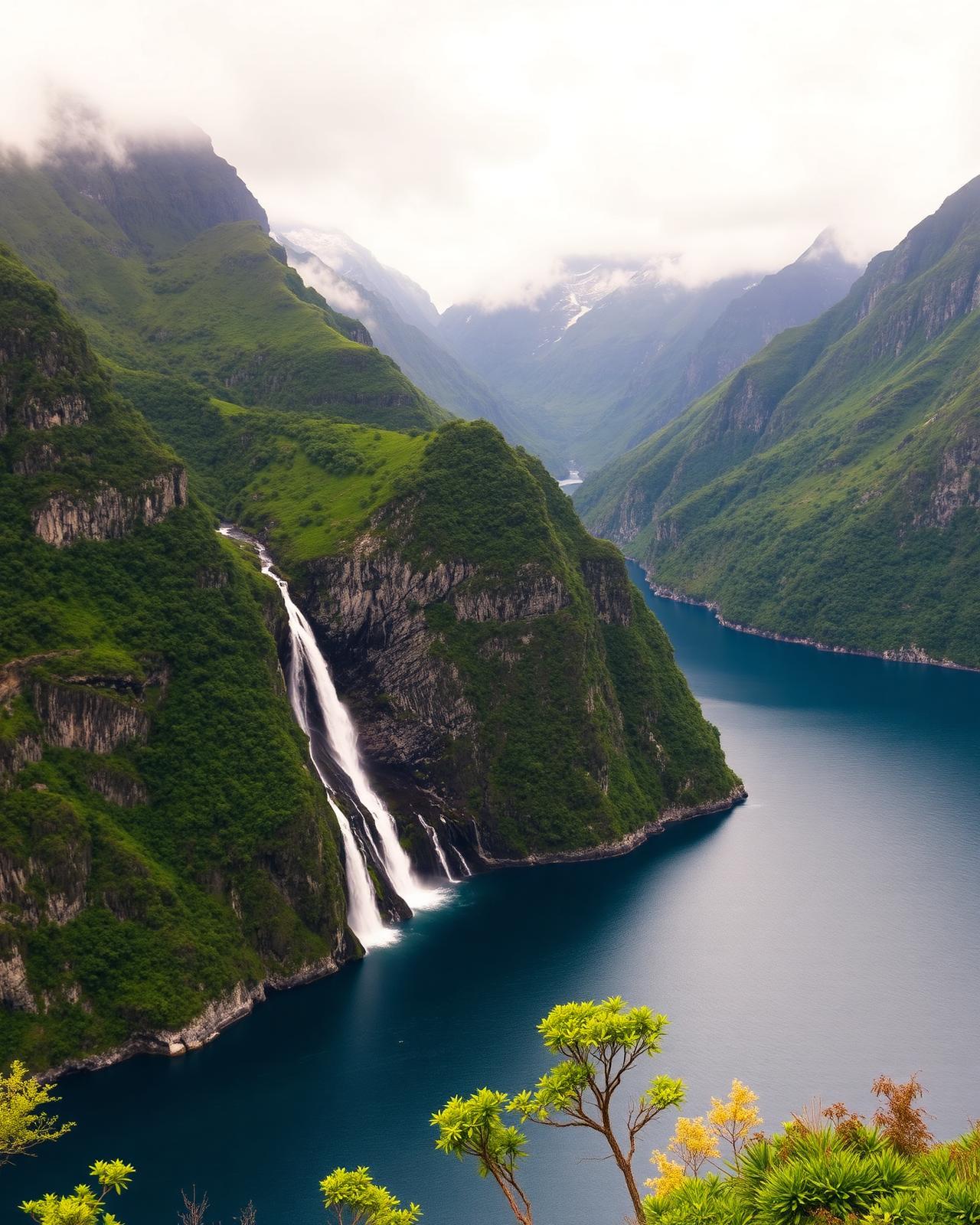
- Milford Sound by cruise or kayak, with weather treated as part of the experience
- Tongariro Alpine Crossing when track, transport, and weather conditions permit
- Aoraki/Mount Cook National Park for alpine walks and dark-sky viewing
- Waiheke Island for a day of vineyards, beaches, and coastal scenery from Auckland
- Hobbiton for travelers interested in the film set and its Waikato landscape
Hidden Gems
- The Catlins for a slower coastal route through forests, beaches, and small settlements
- Hot Water Beach on the Coromandel Peninsula when the tides allow access to the thermal sand
- Castlepoint for its lighthouse, reef, and exposed Wairarapa coastline
- Oamaru for Victorian architecture, local galleries, and nearby wildlife areas
Food Recommendations
- Amisfield near Queenstown for a long-form seasonal menu in a vineyard setting
- Mister D in Napier for an informal bistro meal built around local produce
- Hugo's Bistro in Auckland for contemporary European-influenced cooking
- West Coast whitebait fritters when legally harvested and in season
Coffee Recommendations
- Allpress Espresso in Auckland for a look at one of New Zealand's established specialty roasters
- Vudu Café + Larder in Queenstown for waterfront coffee and a seasonal daytime menu
- Mojo Coffee in Wellington for an accessible introduction to the city's espresso culture
- Patagonia Chocolates in Wānaka for coffee or hot chocolate near the lakefront
Photography Spots
- Mitre Peak as cloud and rain move through Milford Sound
- Aoraki rising beyond the glacial color of Lake Pukaki
- The Champagne Pool at Wai-O-Tapu during the quieter opening hours
- Lake Wānaka from accessible shoreline viewpoints or a responsibly planned alpine walk
Cultural Etiquette
- Use Māori place names carefully and make a good-faith effort with pronunciation.
- Follow the host's guidance during marae visits and other formal cultural experiences.
- Tipping is optional rather than expected.
- Check local fire restrictions, track conditions, and weather warnings before outdoor plans.
Travel Responsibly
Sustainability notes.
Māori language, history, and tikanga are fundamental to understanding Aotearoa New Zealand. Te reo Māori is increasingly visible in public life and place names, while cultural experiences vary in meaning and protocol. Approach marae visits and pōwhiri as hosted cultural encounters, listen to the guidance provided, and learn the names of the places you visit.
- Clean footwear and outdoor equipment between regions to reduce the spread of kauri dieback, didymo, and other ecological threats.
- Use marked tracks and follow local closures, including temporary protections around wildlife and fragile environments.
- Choose operators with credible environmental practices and avoid treating certification alone as proof of impact.
A Suggested Itinerary
3 days, considered.
Sample recommendations for demonstration purposes. Final travel plans should be customized and verified before booking.
- 01
Settle into Queenstown
Lodging
Eichardt's Private Hotel, Queenstown
MorningArrive in Queenstown and transfer to the hotel. Keep the first few hours open, particularly after an international connection.AfternoonFollow the lakefront into the compact town center. If the skies are clear and the arrival has gone smoothly, take the gondola for a wider view of the basin.EveningBegin with dinner near the water, then leave the rest of the evening unscheduled.DiningBotswana Butchery for dinner inside historic Archer's Cottage near the lakefrontTransportUse an airport transfer and explore on foot. The rental car can wait until the following morning. - 02
Follow the lake to Glenorchy
Lodging
Eichardt's Private Hotel, Queenstown
MorningDrive along Lake Wakatipu toward Glenorchy, allowing time for the designated viewpoints along the route.AfternoonWalk the Glenorchy Lagoon track and spend time around the wharf. Choose one additional short trail or guided experience instead of pushing farther into the region.EveningReturn to Queenstown with daylight to spare and settle in for a slower seasonal dinner.DiningRātā for produce-driven cooking shaped by the South Island seasonTransportSelf-drive on the sealed road between Queenstown and Glenorchy, using designated pullouts for photographs. - 03
Take the slower road to Wānaka
Lodging
Edgewater, Wānaka
MorningLeave Queenstown for Wānaka. Crown Range Road offers the more dramatic route when conditions are suitable, while the road through Cromwell provides a lower alternative.AfternoonCheck in near the lake, then choose between a shoreline walk, an easy cycling route, or an unhurried afternoon in town.EveningRemain in Wānaka for sunset and dinner. Aoraki and the West Coast belong to later days with their own overnight stops.DiningA seasonal dinner at Edgewater overlooking Lake WānakaTransportSelf-drive by Crown Range Road or through Cromwell according to current road and weather conditions.
Map-Ready Locations
Pinned on the ground.
Save these locations to your trip board. Each one includes coordinates for Google Maps, Apple Maps, or your preferred itinerary app.
Nature
Milford Sound
Fiordland
Compare cruise sizes, schedules, and transport plans before choosing an operator.
-44.6717, 167.9252
Nature · Dark Sky
Aoraki/Mount Cook
Canterbury
An overnight stay allows more time for changing alpine conditions and evening skies.
-43.5950, 170.1418
Hotel · Boutique
Eichardt's Private Hotel
Queenstown
A small historic hotel in the center of Queenstown's waterfront activity.
-45.0345, 168.6601
Hike
Roy's Peak Track
Wānaka
A demanding exposed walk that requires suitable weather, preparation, and respect for seasonal closures.
-44.6928, 169.0511
Restaurant
Amisfield
Queenstown
Reserve well ahead if the restaurant is central to the trip.
-45.0011, 168.7378
Sample recommendations for demonstration purposes. Final travel plans should be customized and verified before booking.