When Open Does Not Mean Available
Seasonal closures, reservation windows, weather, and the practical obstacles that can quietly undo a good itinerary.
By Christopher Cockrum, Éto Travel Advisor
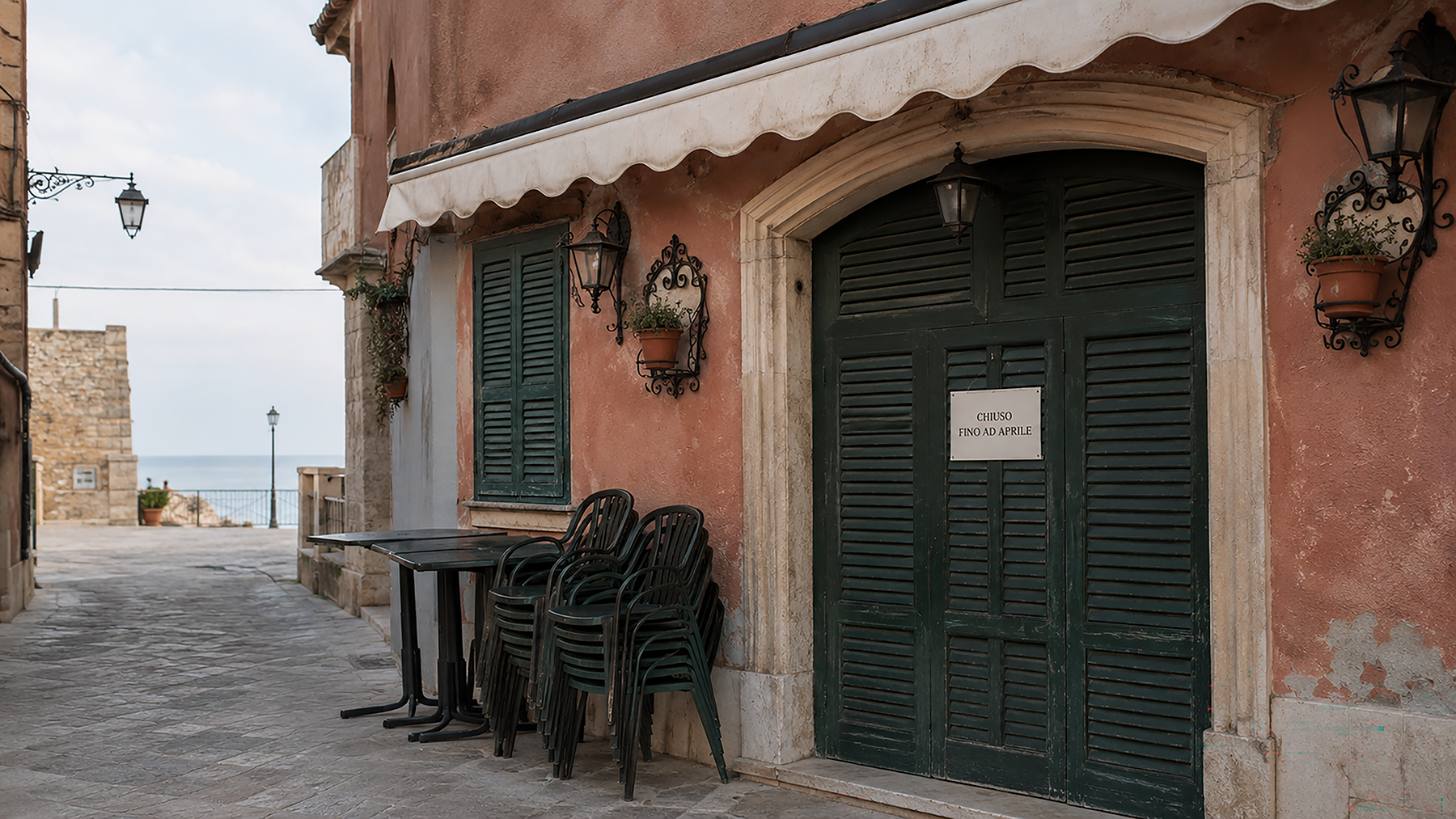
A restaurant can be open and impossible to reserve. A mountain railway can be running beneath a sky that hides everything you came to see. A hotel can be operating for the season but closed on the exact night your route reaches it.
Travel planning often treats availability as a simple question. Is the place open or closed? In practice, availability is shaped by dates, weather, transportation, reservation rules, maintenance, local rhythms, and the number of other travelers trying to do the same thing.
A good itinerary is not a list of places that exist. It is a plan built around what will realistically be available when the traveler arrives.
Open describes the business. Available describes the experience.
Seasonality is more than weather
Most travelers understand that destinations have high and low seasons. Fewer realize how many individual experiences operate on calendars of their own.
A panoramic train may pause between timetable periods. A mountain road may remain closed after winter. A coastal restaurant may operate only during the warmer months. A wildlife experience may depend on migration rather than the tourism calendar. A farm visit may be possible year-round even though harvest activity appears only during certain periods.
This is why broad advice such as visit in spring or go during the dry season is not enough. The season of the destination and the season of the experience are related, but they are not always the same.
Before organizing a trip around one defining experience, confirm the operating period of that specific experience.
Weekly rhythms matter
Availability changes within the week as well as across the year.
A restaurant may close on Sunday and Monday. A museum may close on Tuesday. A rural property may accept visitors only on selected days. Ferries, regional buses, and guided excursions may operate less frequently on weekends or outside peak months.
These details become especially important on short trips. If the only full day in a destination falls on the customary closing day, the experience may be inaccessible even though it is open for most of your stay.
Build the itinerary around the least flexible experiences first. Restaurants with limited service, timed museum entries, seasonal transportation, and guided visits should shape the schedule before flexible walks, neighborhoods, and viewpoints.
The shorter the trip, the more consequential one closed day becomes.
A ticket and a reservation are not always the same thing
Transportation creates some of the most expensive availability mistakes.
A rail pass may cover the fare while excluding the required seat reservation. A panoramic train may travel along the same tracks as an ordinary regional service but follow different booking rules. A ferry ticket may not guarantee space for a vehicle. A luggage service may take two days even though the passenger arrives that afternoon.
Read the conditions for the exact service, not only the route. Confirm whether you need a ticket, reservation, supplement, timed entry, or some combination of them.
When a journey includes several transportation systems, verify each transfer independently. A connection that appears valid on a map may not account for platform changes, luggage, border formalities, replacement buses, or the distance between terminals.
Weather can preserve access while removing the experience
Some of the most disappointing travel days are not caused by closures.
The mountain railway runs, but the summit is inside a cloud. The boat departs, but wind changes the route. The road remains open, but heavy rain turns a scenic drive into a slow and stressful transfer. The photography location is accessible, but the light and visibility that justify the visit never appear.
For weather-dependent experiences, operating status is only the first question. The second is whether the conditions make the experience worthwhile.
Keep some flexibility around mountains, wildlife, night skies, coastal travel, and landscape photography. When possible, decide which day to use after reviewing the local forecast rather than locking every excursion into place months ahead.
Accessible does not always mean worthwhile under the conditions.
Open can still mean sold out
A business may be operating normally while having no space for another guest.
Small restaurants, tasting counters, workshops, guided farm visits, and limited-capacity excursions often require more planning than their informal atmosphere suggests. Some release reservations on a fixed date. Others accept requests only through hotels, local advisors, or direct communication. A few rely on queues that consume a meaningful part of the day.
Treat a difficult reservation as a planning constraint rather than a certainty. Request it early, understand the cancellation policy, and avoid building the entire trip around an unconfirmed table or tour.
When the experience matters, prepare an alternative with the same underlying value. The substitute for a famous restaurant is not simply another restaurant. It might be another place offering the regional cuisine, neighborhood atmosphere, service style, or craft you wanted to understand.
Renovations, strikes, permits, and special events
Not every obstacle follows a predictable annual pattern.
Museums renovate galleries. Railways schedule engineering work. Roads close after storms. Labor actions interrupt transportation. Religious observances change opening hours. Festivals fill hotels and restaurants while altering traffic and local access. Protected landscapes introduce permits or temporary restrictions.
These conditions are difficult to capture in a static guide because they can change after the itinerary is written.
Conduct a final verification shortly before departure. Review official transportation notices, attraction websites, reservation confirmations, local weather, and any destination-specific alerts. Recheck the most important experiences again before traveling to them.
Why “Open now” is not enough
Search engines are useful for orientation, but the phrase open now answers only one narrow question.
It may not reveal a seasonal menu, timed-entry requirement, private event, last admission, reservation-only policy, temporary renovation, reduced ferry schedule, or whether the kitchen stops serving long before the doors close.
Use map listings to discover possibilities. Use official sources and direct confirmation to make decisions.
For a casual coffee stop, a recent listing may be enough. For an experience that determines the route, deserves advance payment, or would be difficult to replace, verify it more carefully.
Design the fallback before you need it
Resilience is one of the least glamorous parts of itinerary design, but it is one of the most valuable.
A fallback should preserve the purpose of the day. If mountain visibility disappears, move toward culture, food, wellness, or a lower-elevation landscape. If a restaurant reservation fails, keep a neighborhood alternative with a different booking model. If a rural road closes, know which experience can move to another day without unraveling the rest of the route.
The goal is not to plan every hour twice. It is to identify which parts of the trip are fragile and give those moments somewhere sensible to go.
A thoughtful itinerary leaves enough space for reality to participate.
The best alternative preserves the reason you wanted the experience, not merely the empty space on the schedule.
The final availability check
Before departure, review the experiences that would be hardest to replace.
Confirm operating dates, weekly closures, reservation status, transportation schedules, road conditions, weather exposure, admission requirements, and the time of the final entry or departure.
Then look at the itinerary as a traveler rather than a spreadsheet. Ask whether the connections are comfortable, whether there is enough daylight, whether luggage changes the transfer, and whether one delay would compromise the rest of the day.
Travel will always contain uncertainty. Good planning does not eliminate it. Good planning identifies where uncertainty matters, protects the experiences that define the trip, and leaves enough flexibility for the journey to remain worthwhile when conditions change.
Verify what must work. Leave room around what might change.
Éto Express
You have the weekend.
Where should you go?
Tell Éto where you are starting, how much time you have, what you want to spend, and what makes a trip worthwhile to you.
Find My Best EscapeContinue the Idea
Take the story into the world.
Explore a curated journey that puts this travel strategy into practice.
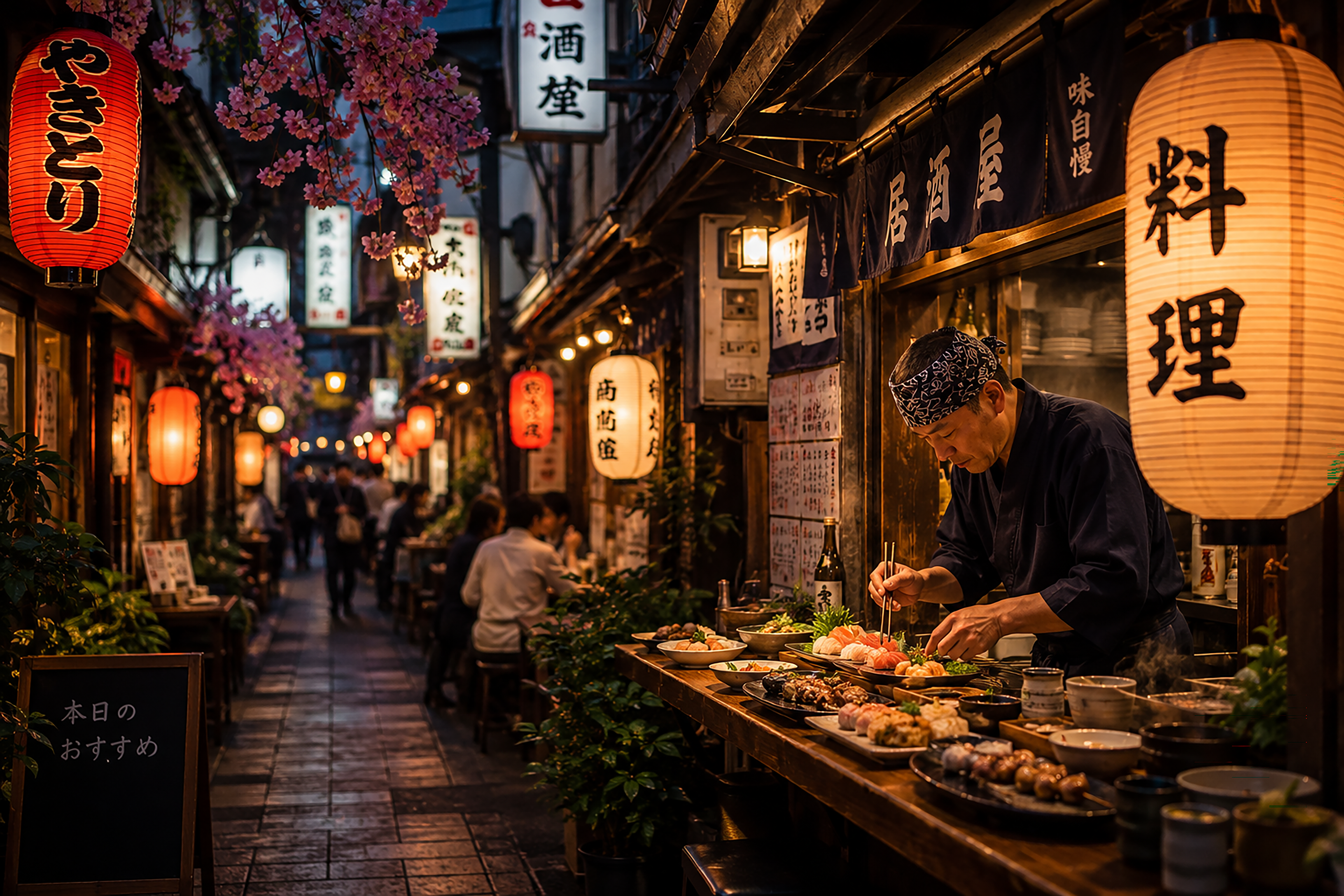
12 Days · March–May • October–November
Japan for Food Lovers
A culinary journey through Tokyo, Kanazawa, Kyoto, Osaka, and Japan's regional traditions.
Explore this journey
12 Days · May–September
Iceland Ring Road Photography Expedition
A landscape journey shaped around weather, light, volcanic terrain, waterfalls, glaciers, and the long road around Iceland.
Explore this journey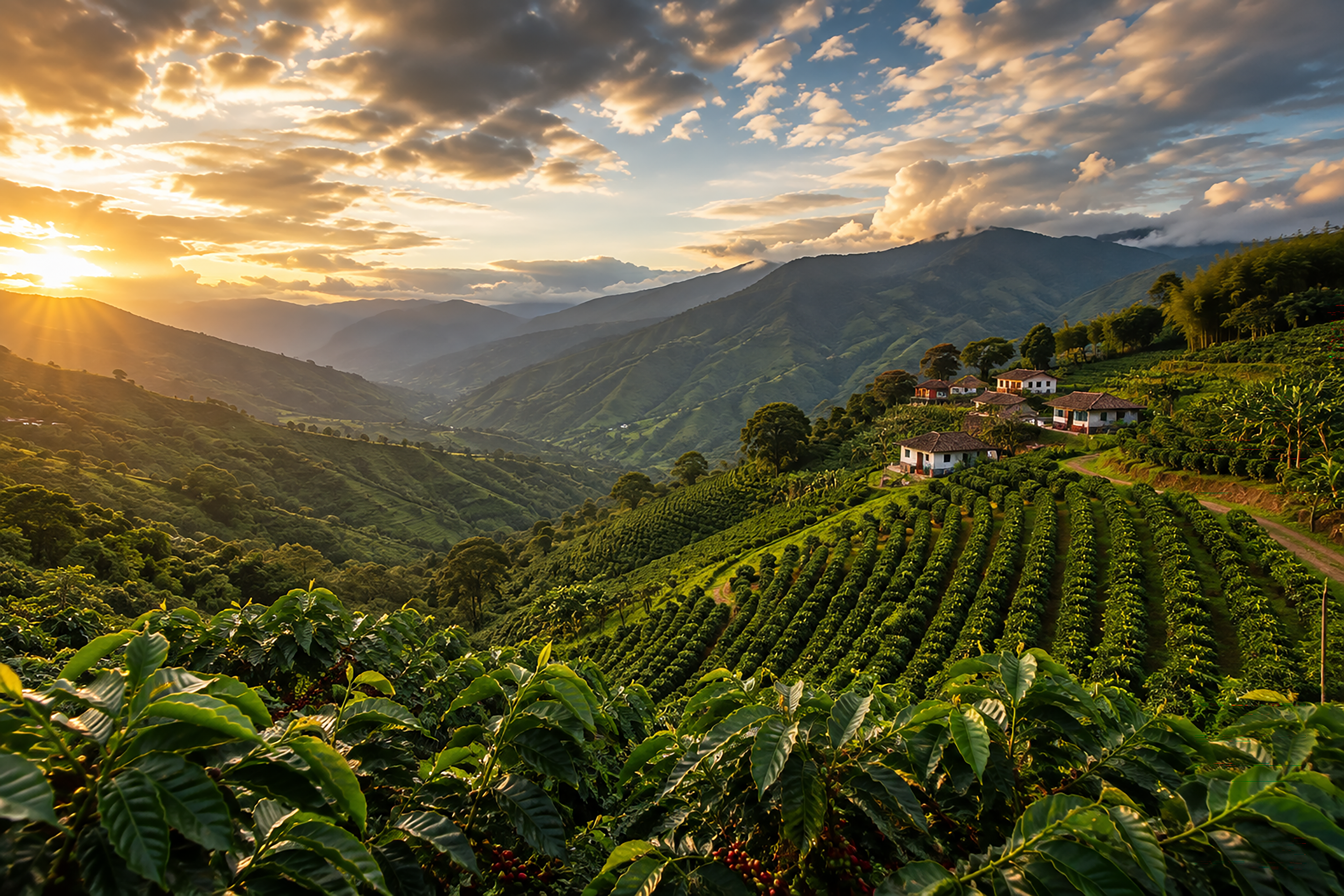
11 Days · Year-round, with harvest activity varying by region, elevation, and individual finca
Colombia: The Coffee Trail
Follow Colombian coffee from mountain finca to modern café through the landscapes, people, processes, and traditions behind the cup.
Explore this journey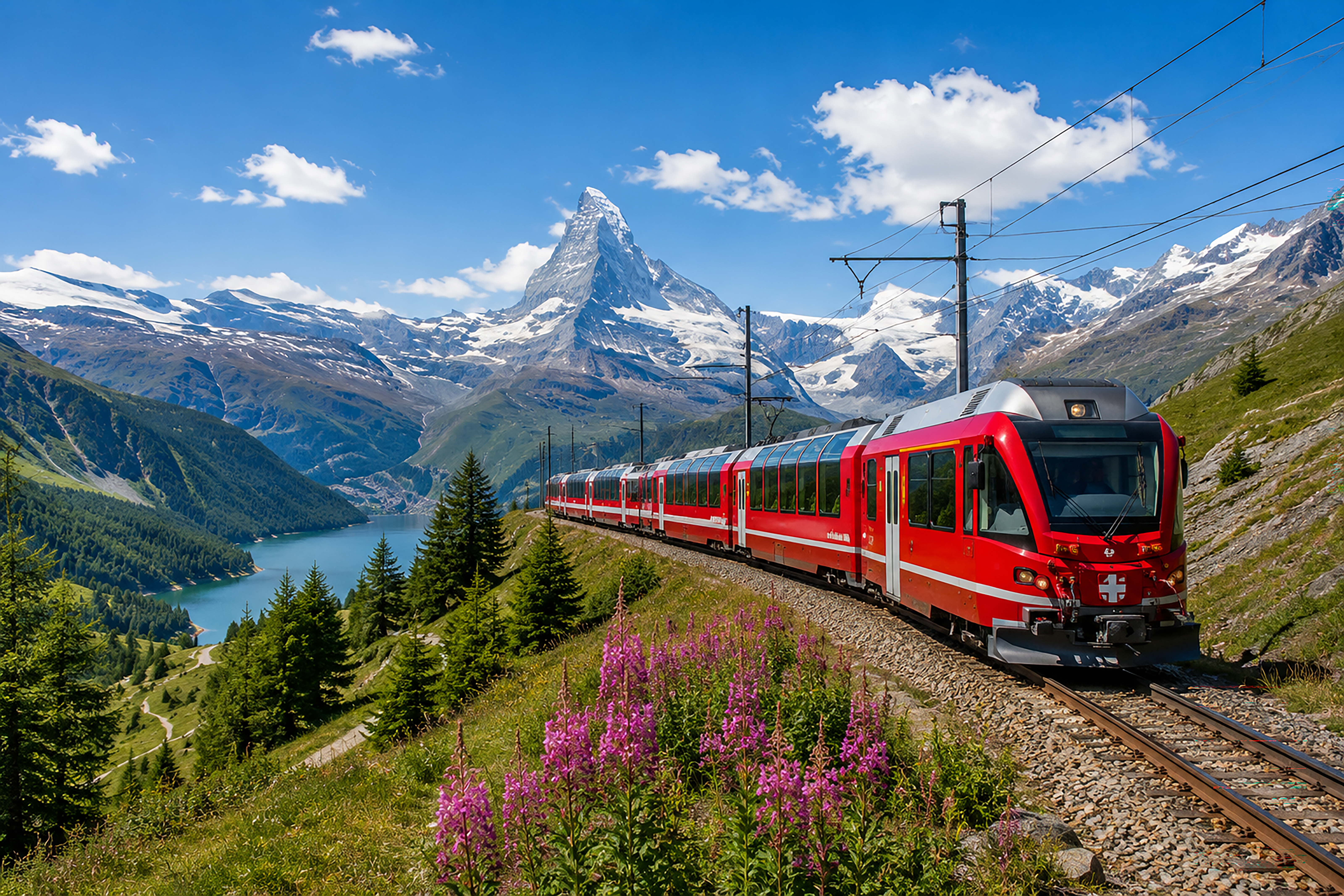
14 Days · May–October for the broadest panoramic-route access
Switzerland: The Scenic Rail Journey
Cross the Swiss Alps by rail through mountain passes, lakeside towns, historic routes, and some of Europe's most extraordinary landscapes.
Explore this journey